




Climbing Kilimanjaro
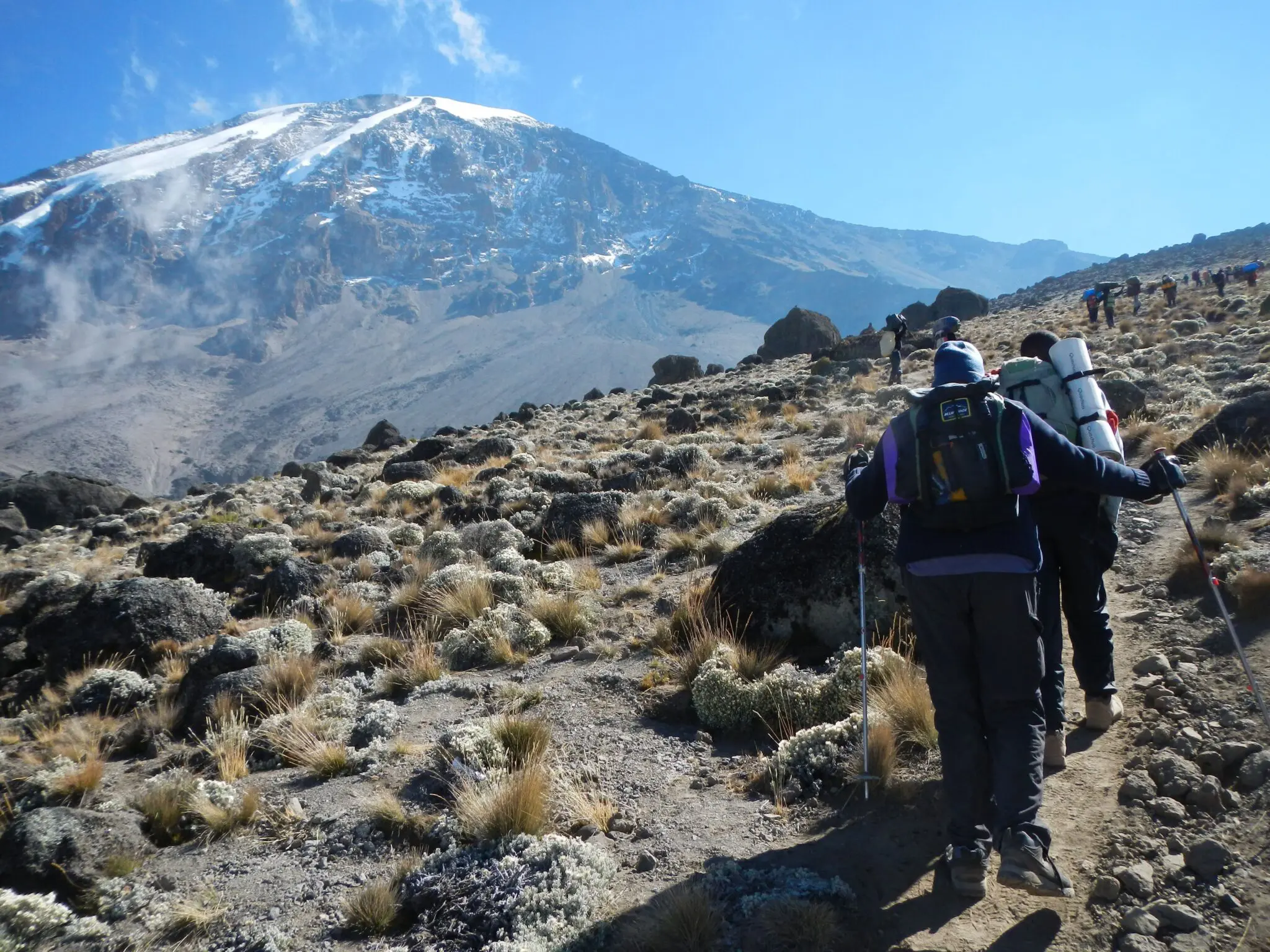
Standing on Uhuru Peak as the sun rises above Tanzania is an experience that stays with you. At 5,895 metres, Mount Kilimanjaro is the highest mountain in Africa and one of the world’s most recognisable trekking destinations.
Reaching the summit does not require technical mountaineering experience. It does require good preparation, enough time to acclimatise and the support of an experienced mountain team. We arrange every part of your Kilimanjaro climb, so you can focus on the path ahead and take in the changing landscapes around you.
From the first steps through the rainforest to the final ascent towards Uhuru Peak, our local guides, cooks and porters are there to support you. Together, we create a Kilimanjaro journey that suits your experience, available time and personal goals.
Ask for personal adviceOur Kilimanjaro trips
There are several ways to reach the summit of Kilimanjaro. Each route has its own scenery, duration, level of comfort and opportunities to acclimatise.
Compare our Kilimanjaro trips and choose the journey that best matches your fitness, trekking experience and available time. Our team can help you understand the differences and make a considered choice.
Not sure which route suits you? Tell us about your experience, travel dates and expectations. Our team will help you compare the possibilities.
Help me choose a Kilimanjaro trip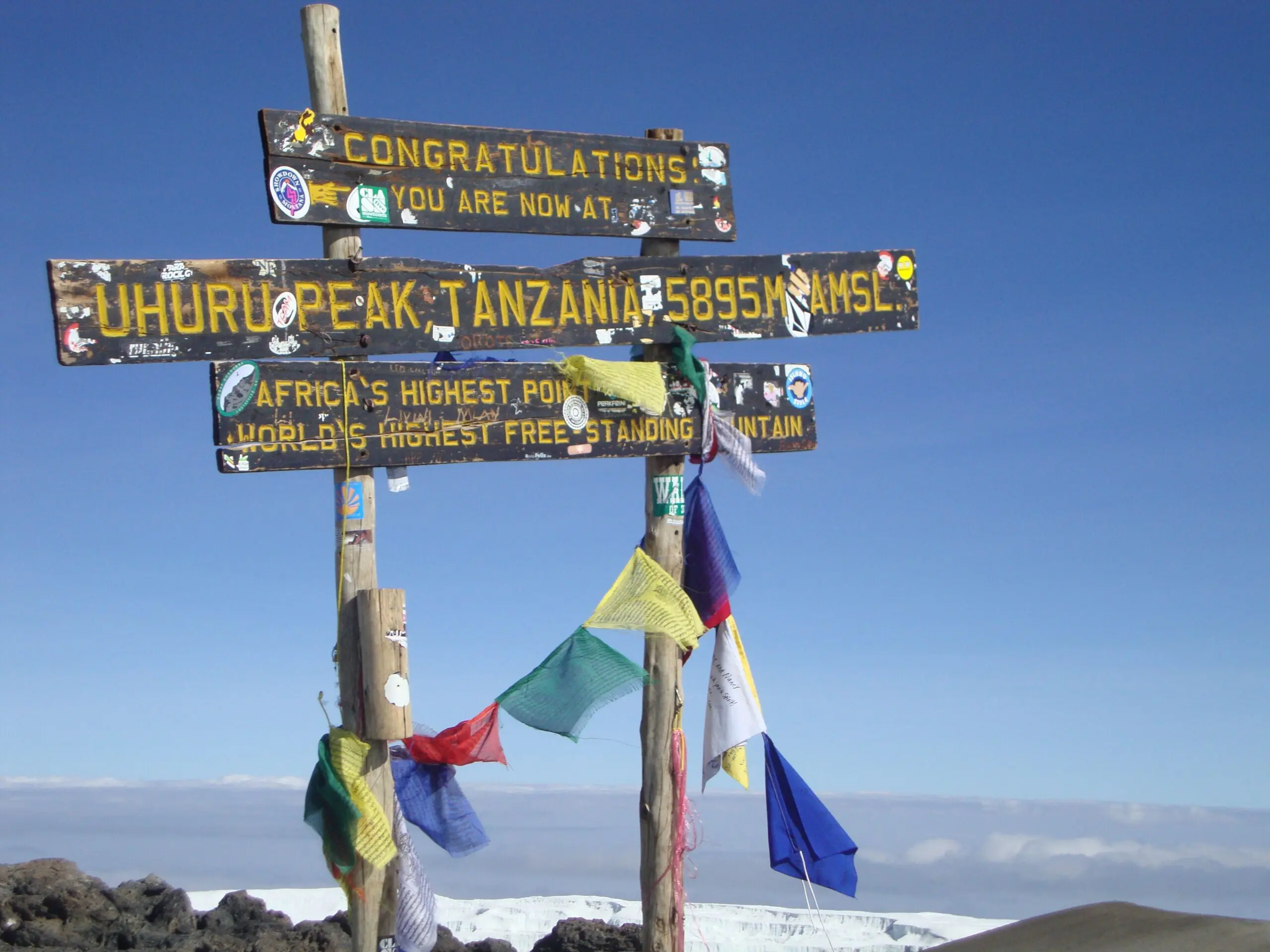
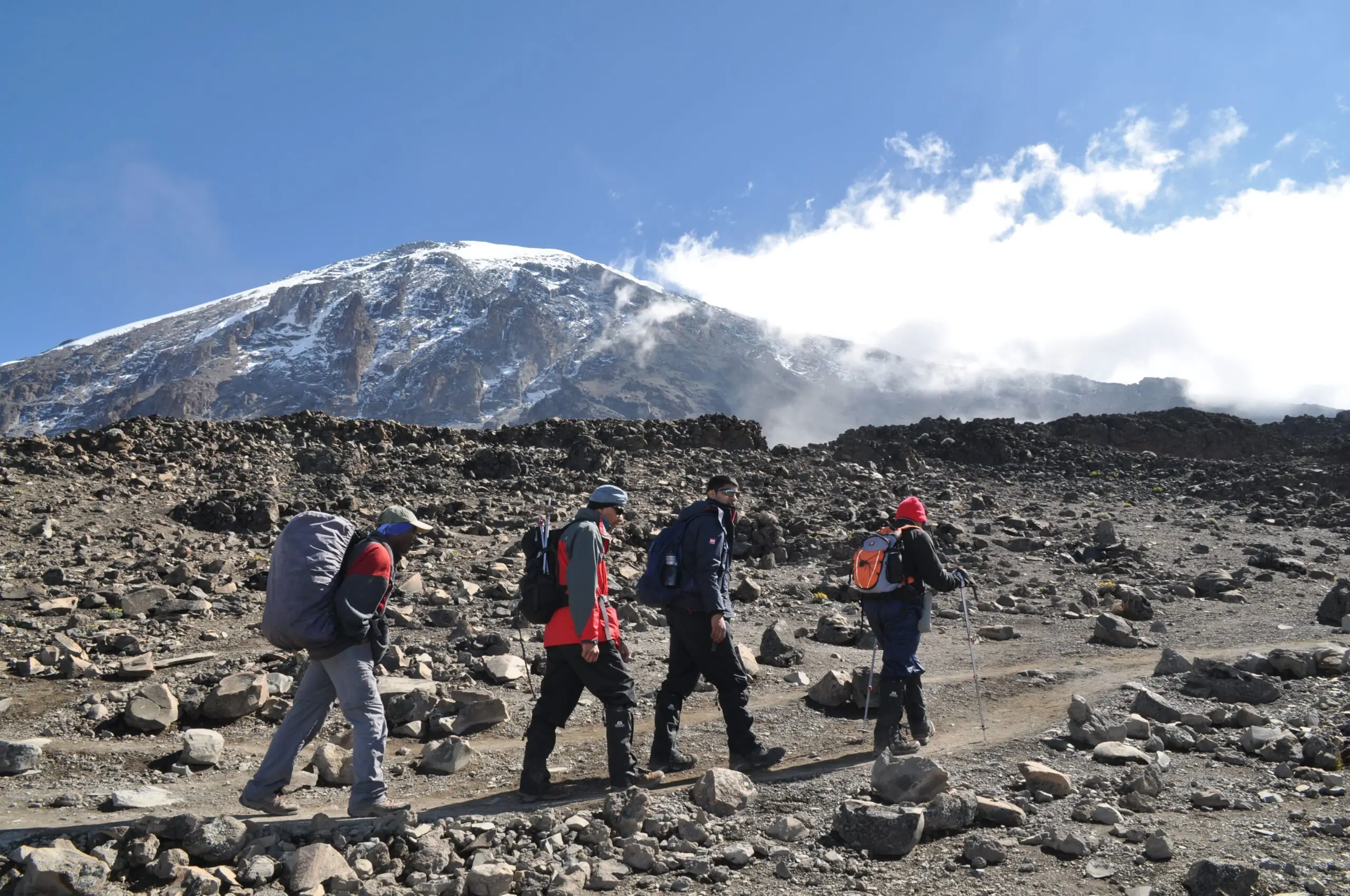
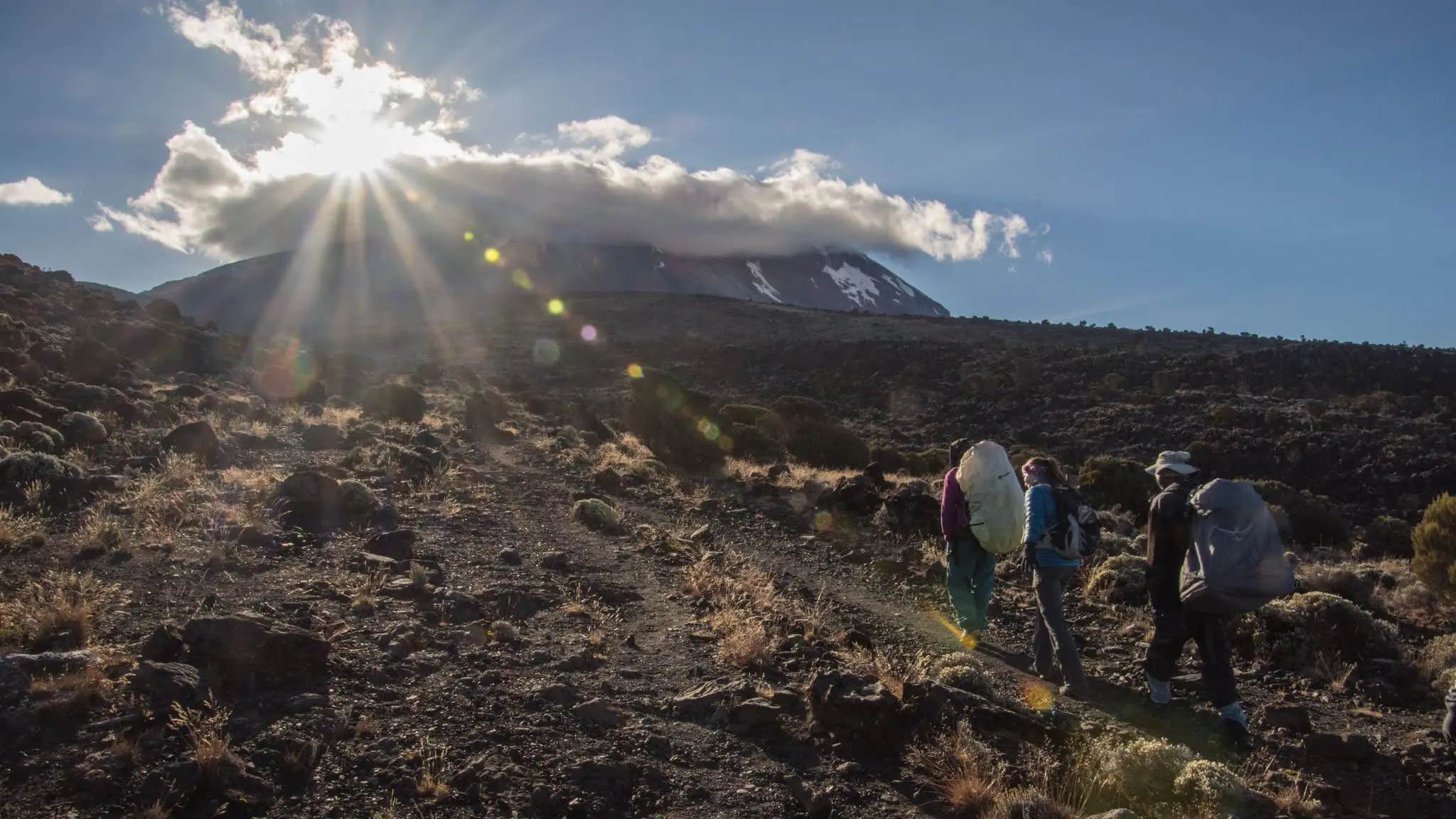
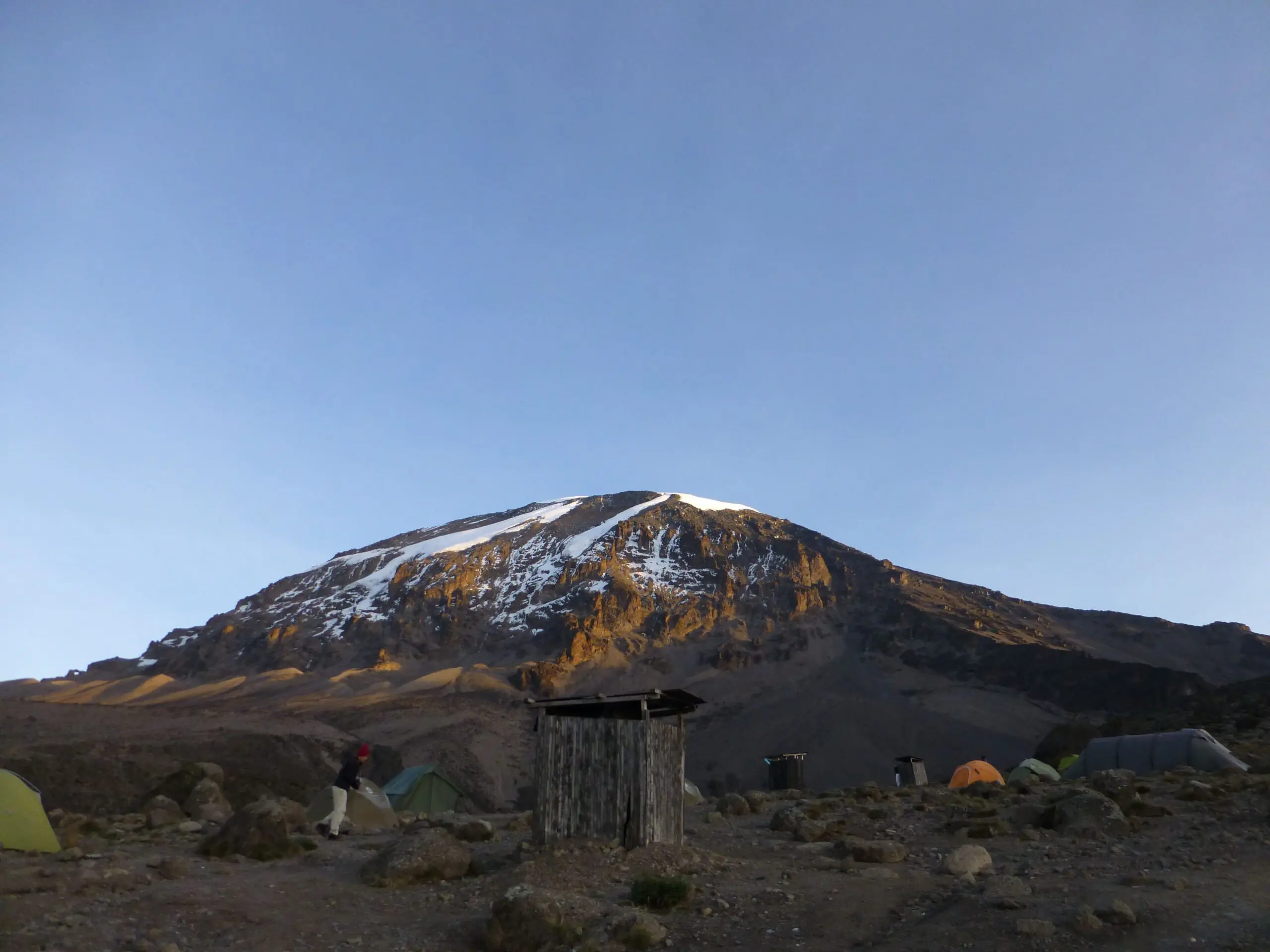
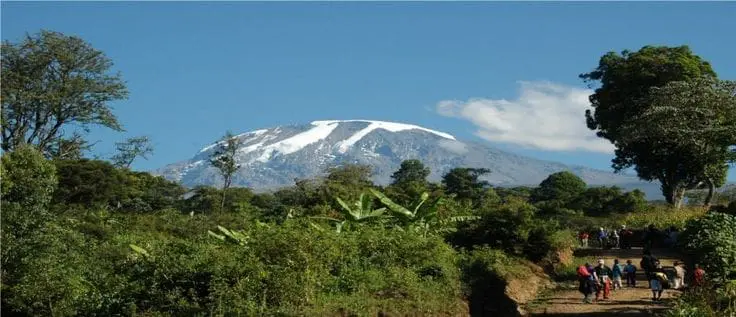
What is it like to climb Kilimanjaro?
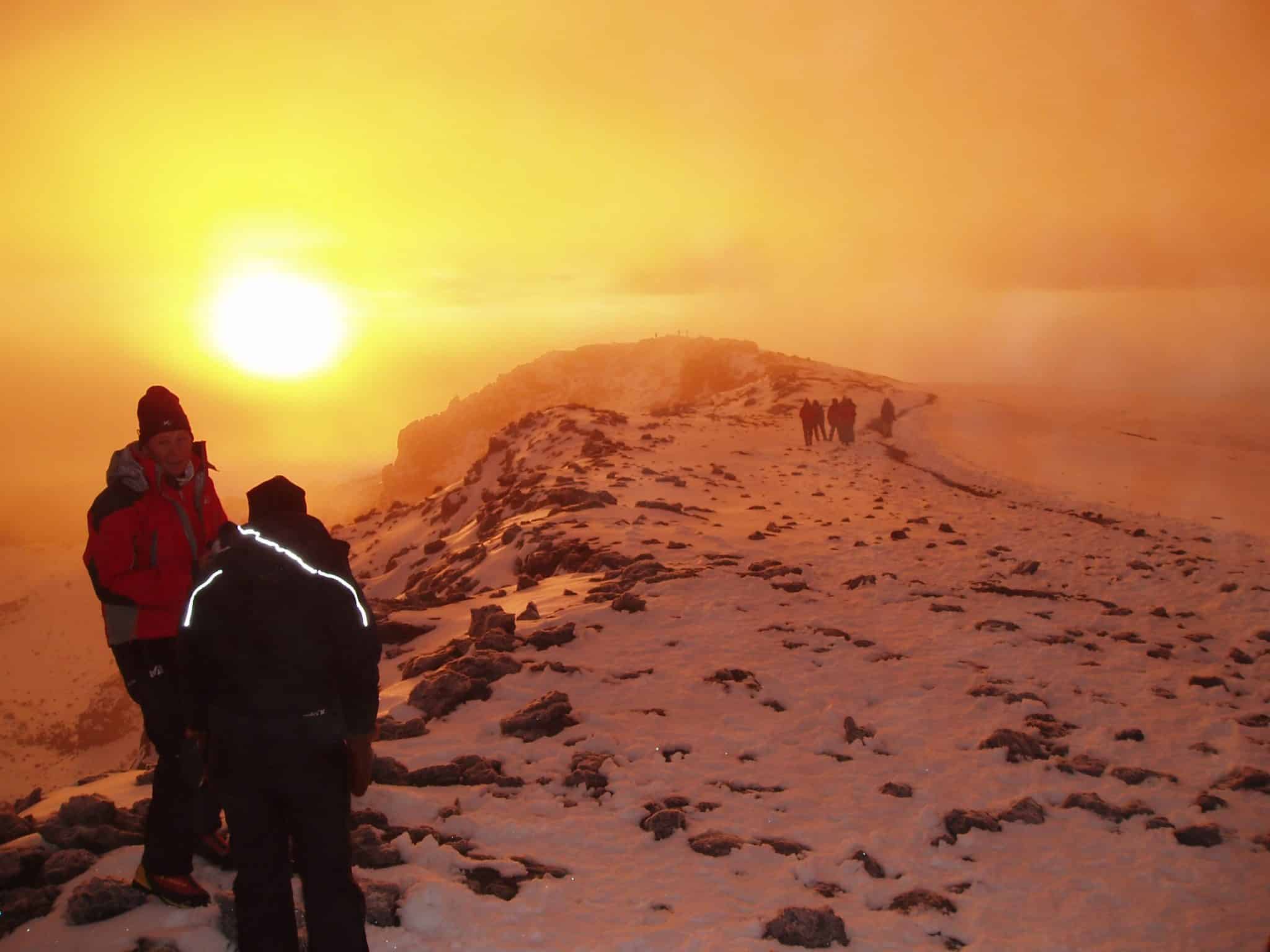
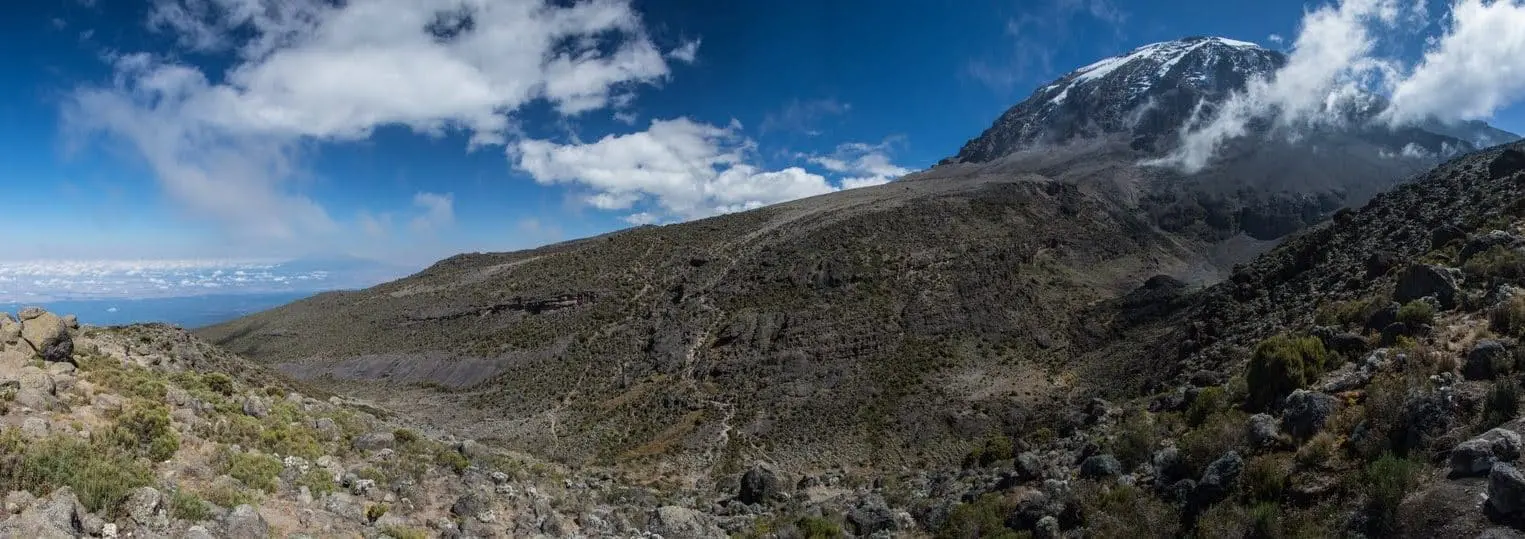
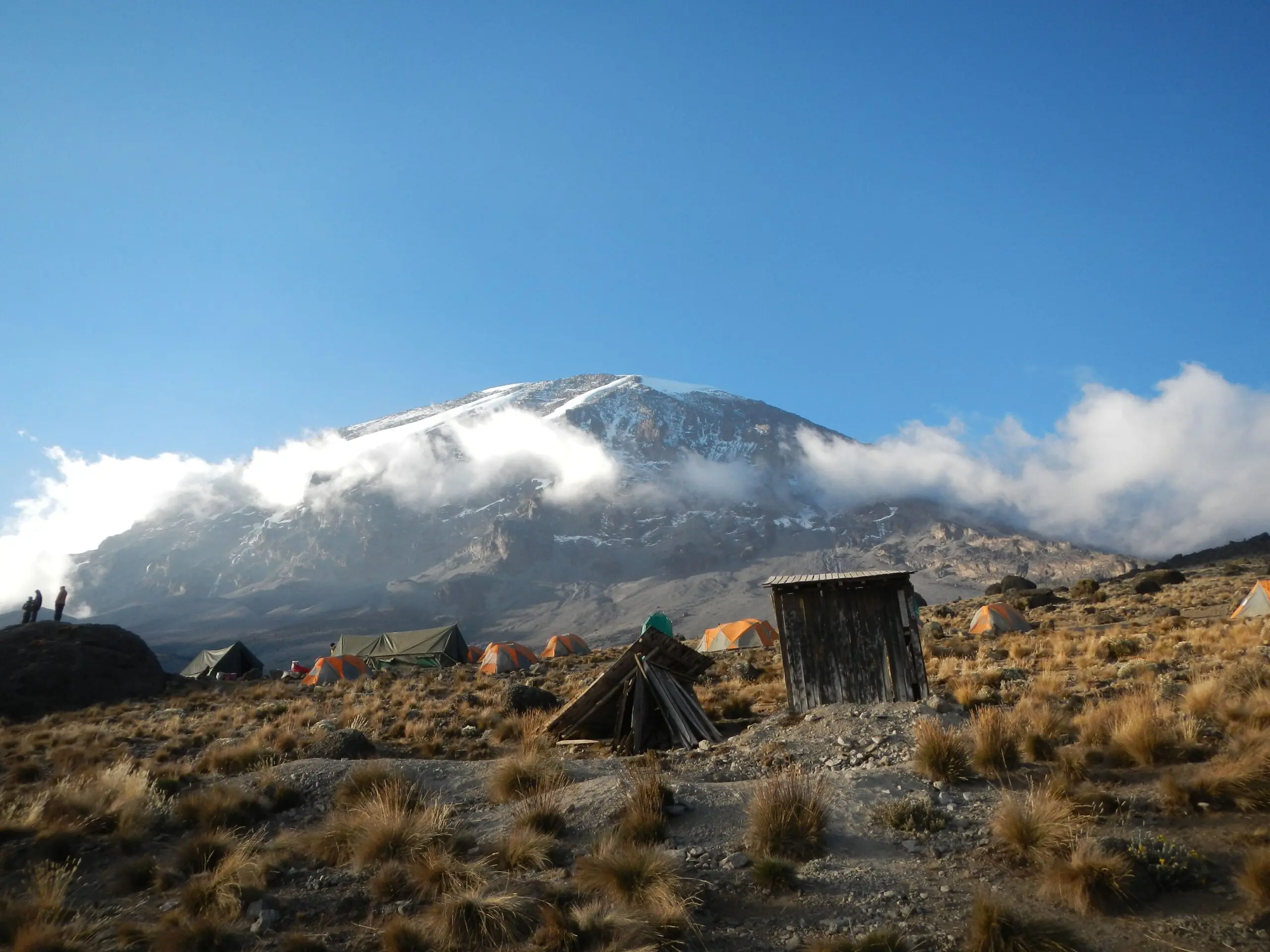
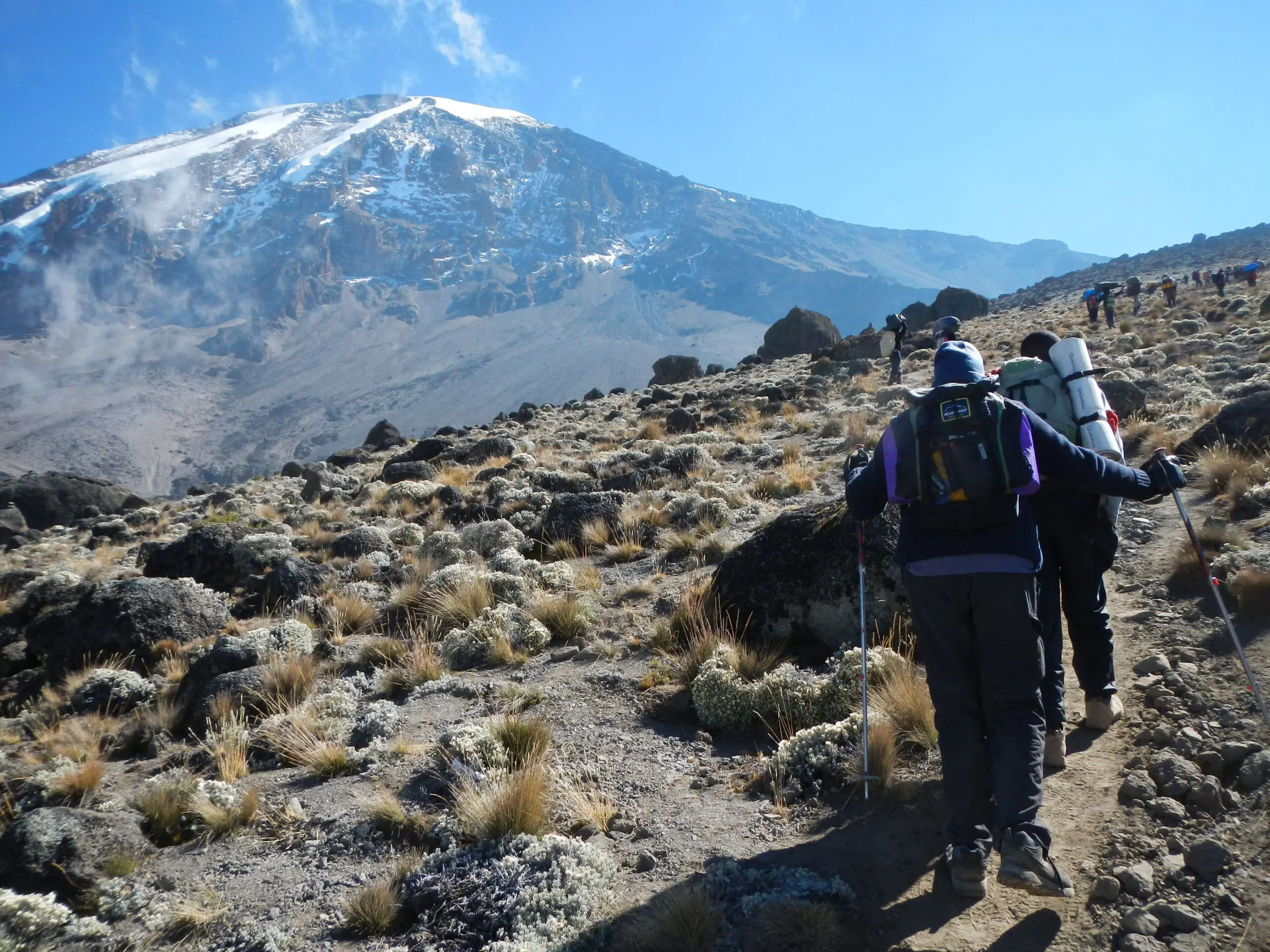
A Kilimanjaro climb takes you through several different landscapes in just a few days. The journey begins among cultivated foothills and dense rainforest. Higher up, the vegetation opens into moorland, rocky alpine desert and the cold conditions near the summit.
The climb is a trek rather than a technical mountaineering expedition. You do not need ropes or previous climbing experience on the standard routes. The challenge comes from walking for several days, coping with the altitude and continuing during the demanding final ascent.
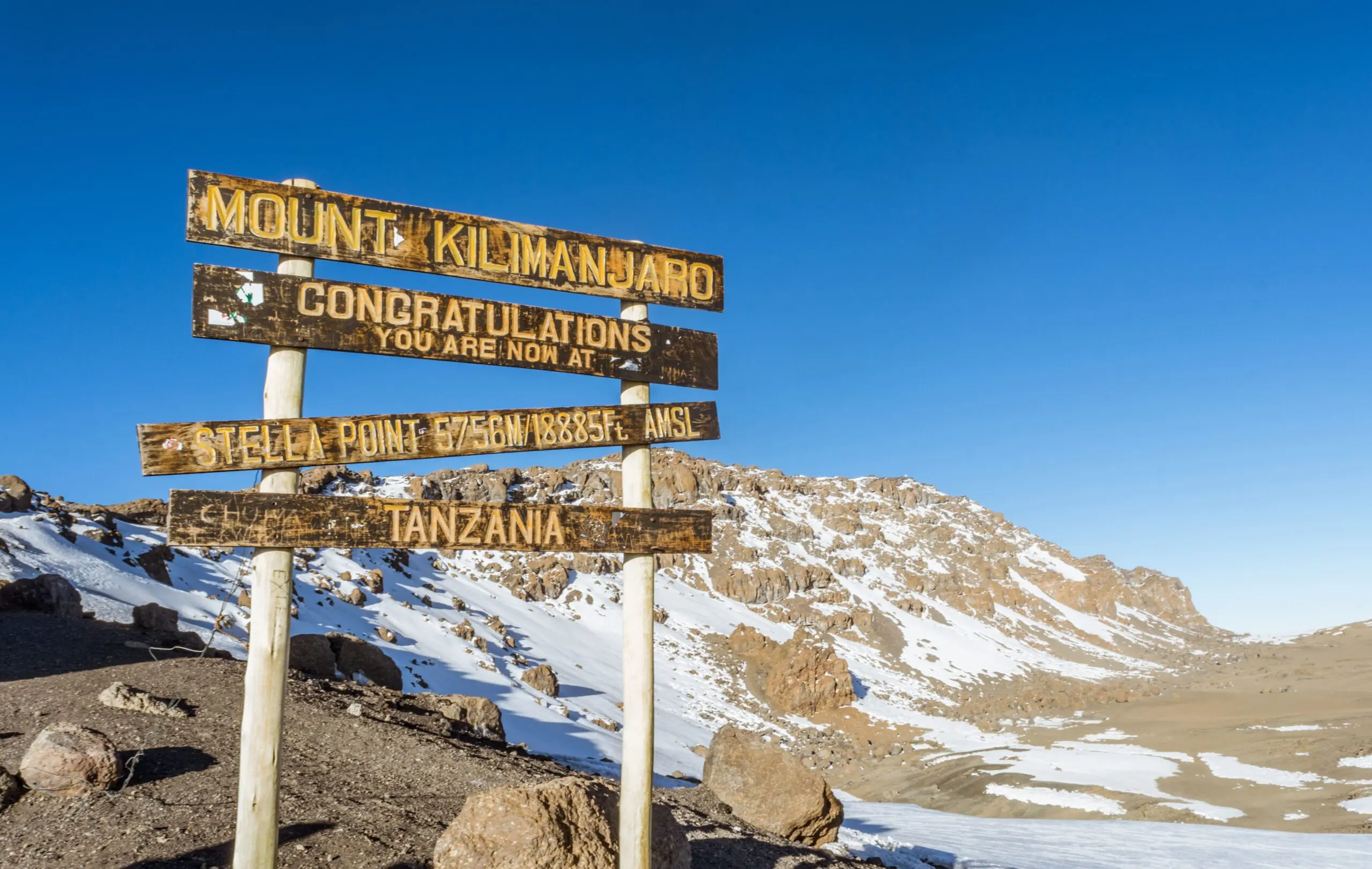
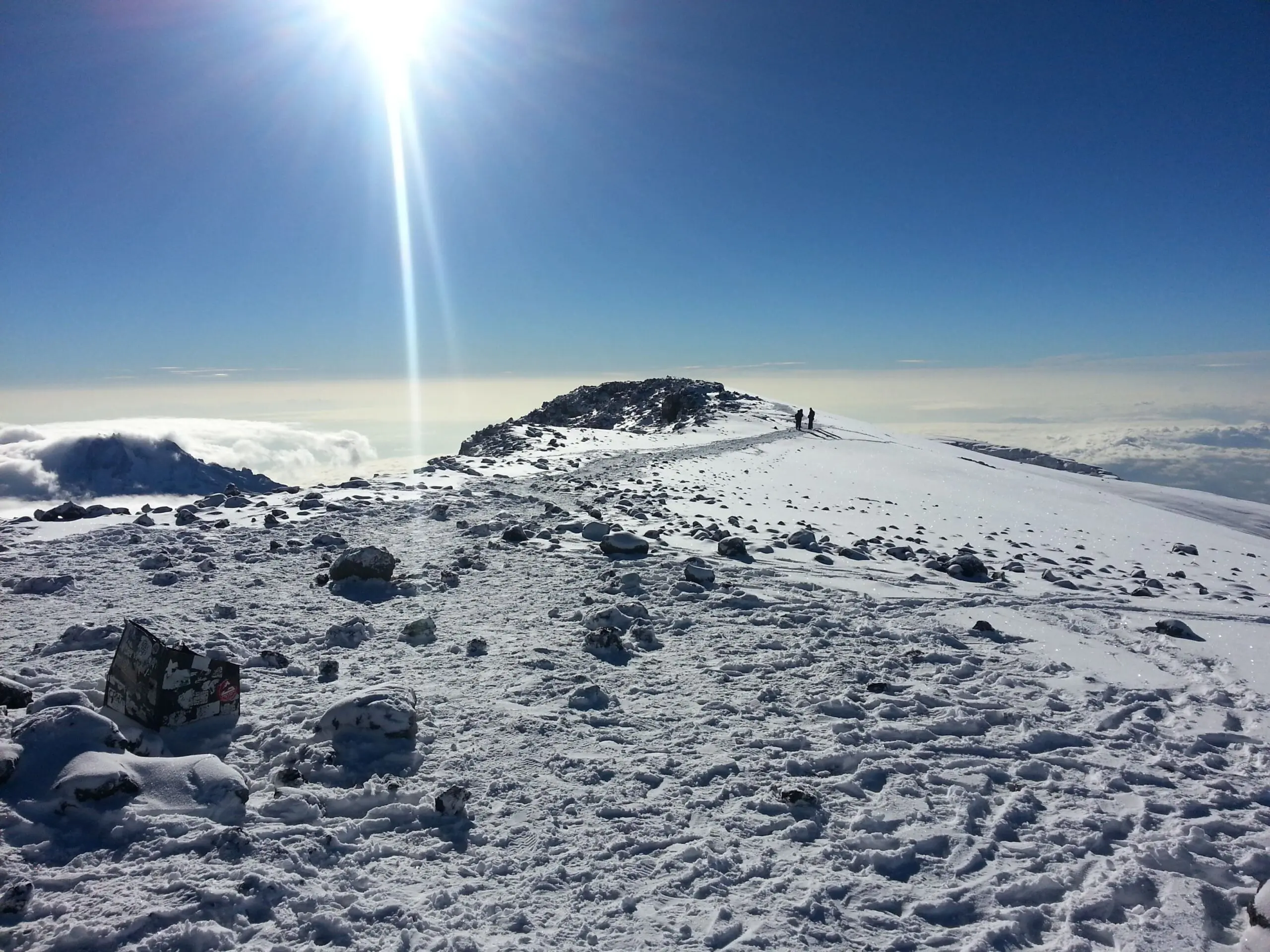
Most climbers begin the summit attempt during the night. Step by step, you make your way towards Stella Point or Gilman’s Point before continuing to Uhuru Peak. Reaching the top is an emotional moment, but the complete journey and the people beside you are often just as memorable.
How difficult is climbing Kilimanjaro?
Climbing Kilimanjaro is physically and mentally demanding, but it is not a technical climb. Many people reach the summit without previous mountaineering experience.
Your fitness is important, but it is not the only factor. The number of days on the mountain, your walking pace, the route and your response to altitude all influence the experience.
Walking slowly is an important part of the climb. Your guides set a steady pace that helps your body adjust as you gain altitude. Rest, hydration and honest communication with the mountain team are equally important.
You do not need to be an elite athlete. You should be comfortable walking for several hours on consecutive days and be prepared for cold, changing weather and basic conditions on the mountain.
Discuss your fitness and experienceChoosing the right Kilimanjaro route
Choosing a Kilimanjaro route is one of the most important decisions when planning your climb. Routes differ in duration, scenery, accommodation, popularity and acclimatisation profile.
A longer route usually gives your body more time to adjust to the altitude. This does not guarantee that you will reach the summit, but it can support a more gradual ascent.
Machame Route
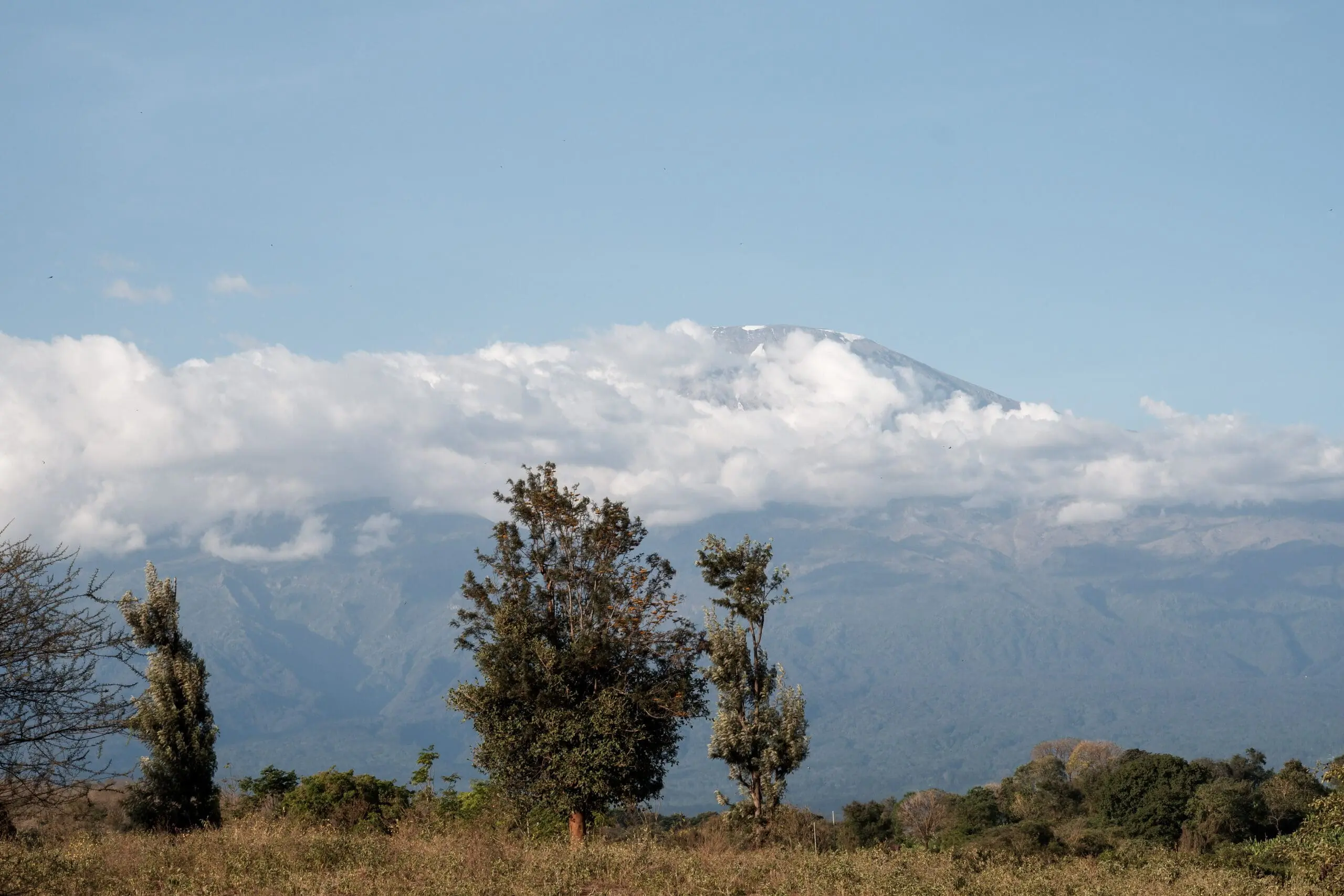
The Machame Route is known for its varied scenery and gradual acclimatisation profile. Climbers sleep in tents and follow a route that passes through rainforest, moorland and alpine desert.
It is a popular choice for travellers who want a scenic route and are comfortable with several days of camping.
Lemosho Route
The Lemosho Route begins on the western side of Kilimanjaro. It offers a quieter start, varied landscapes and additional time to adjust to the altitude when completed over a longer itinerary.
This route is suitable for travellers who value scenery, a gradual approach and more days on the mountain.
Marangu Route
The Marangu Route is the only standard Kilimanjaro route where climbers sleep in mountain huts instead of tents. The ascent and descent follow the same trail.
The hut accommodation can appeal to travellers who prefer not to camp. The route can be completed in fewer days, which means careful consideration of acclimatisation is important.
Rongai Route
The Rongai Route approaches Kilimanjaro from the north, close to the Kenyan border. It is generally quieter than routes starting on the southern side of the mountain.
The gradual approach and more remote setting make Rongai an interesting option for travellers looking for a calmer trail experience.
The best route depends on more than the number of days. Our team can help you compare the landscapes, accommodation and pace before you make a decision.
Altitude and acclimatisation on Kilimanjaro
Altitude is the main challenge when climbing Kilimanjaro. As you ascend, the amount of available oxygen decreases and your body needs time to adjust.
Common symptoms at altitude can include headaches, tiredness, reduced appetite and difficulty sleeping. Symptoms should always be discussed with your guide. The mountain team monitors how you are feeling and can respond when extra care or a descent is necessary.
A slower ascent, sufficient hydration, regular meals and enough rest can support acclimatisation. Choosing a route with more days on the mountain also gives your body additional time to adjust.
Summit success is important, but your health always comes first. A responsible climb is measured by how safely the journey is completed, not only by whether the summit is reached.
How to prepare for Kilimanjaro
Good preparation helps you arrive with more confidence. Your training should focus on endurance, walking strength and spending several hours on your feet.
Build your endurance
Regular walking, hiking, cycling or running can help improve your cardiovascular fitness. Increase the duration and frequency gradually in the months before departure.
Train on hills
Walking uphill and downhill prepares your legs for long days on uneven terrain. When possible, train with the daypack and walking shoes you plan to use in Tanzania.
Walk on consecutive days
A Kilimanjaro climb involves several walking days in succession. Training on consecutive days helps you understand how your body responds when it has not fully recovered.
Prepare for the mental challenge
Summit night can be long, cold and tiring. Patience and determination matter as much as physical strength. Focusing on one step at a time can make the challenge feel more manageable.
Ask us about preparing for your climbWhat should you pack for Kilimanjaro?
Conditions change considerably as you move higher up the mountain. Clothing should be worn in layers so you can adjust to rain, sun, wind and cold temperatures.
Important equipment generally includes:
- Comfortable and broken in hiking boots
- Thermal base layers
- Warm insulating layers
- A waterproof jacket and trousers
- Warm gloves and a hat
- A suitable sleeping bag
- A comfortable daypack
- Trekking poles
- A head torch
- Reusable water bottles
- Sun protection
- Personal medication and toiletries
You will receive a more detailed packing list before departure. The exact requirements can depend on the route, season and included equipment.
What does a Kilimanjaro climb cost?
The cost of climbing Kilimanjaro depends on the chosen route, the number of days and the services included in the trip.
A significant part of the price consists of national park fees, mountain staff, meals, accommodation, transfers and safety provisions. A lower price can mean that less time is allowed for acclimatisation or that savings are made in areas that influence comfort and support.
Before comparing Kilimanjaro trips, check what is included. A clear proposal should explain the park fees, guide and porter support, accommodation, meals, transfers and any equipment provided.
The exact price of each climb will be shown with the trip offer.
Request a quote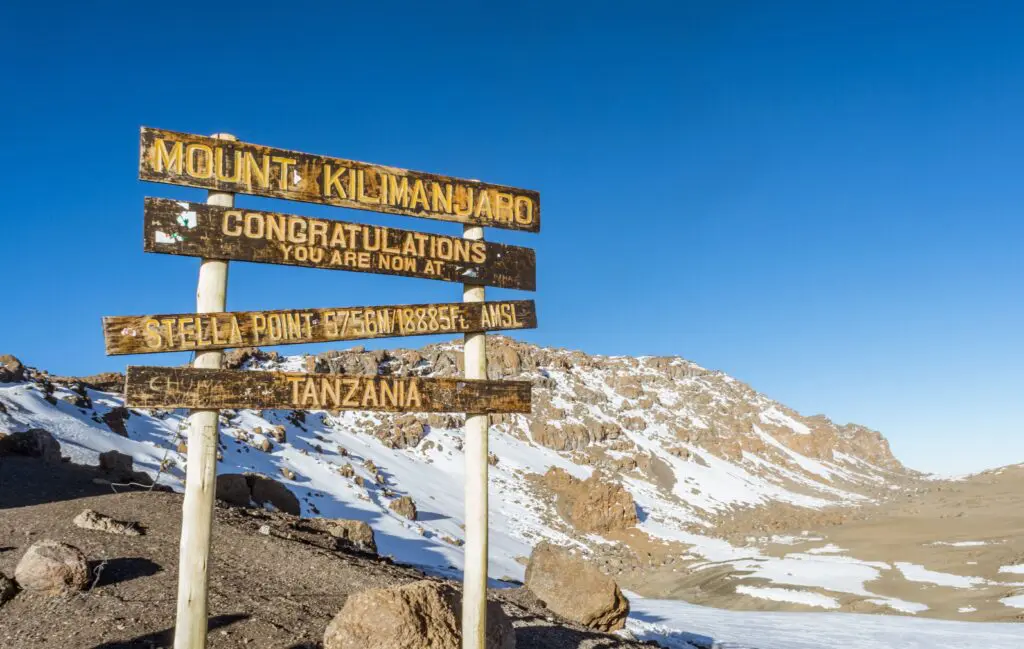
When is the best time to climb Kilimanjaro?
Kilimanjaro can be climbed during much of the year, but the weather and trail conditions change between seasons.
January to March
January to March can offer clear mornings and fewer people on some routes. Temperatures near the summit can be cold and weather conditions remain changeable.
June to October
June to October is a popular period because conditions are generally drier. Trails can be busier during these months, especially on the most popular routes.
The wetter months
Rainfall is usually higher during April, May and parts of November. Trails can become wetter and cloud can reduce visibility. Conditions differ from year to year, so mountain weather can never be guaranteed.
Your preferred route, available dates and tolerance for busier trails can help determine the best period for your climb.
Ask about the best time to travelYour mountain team
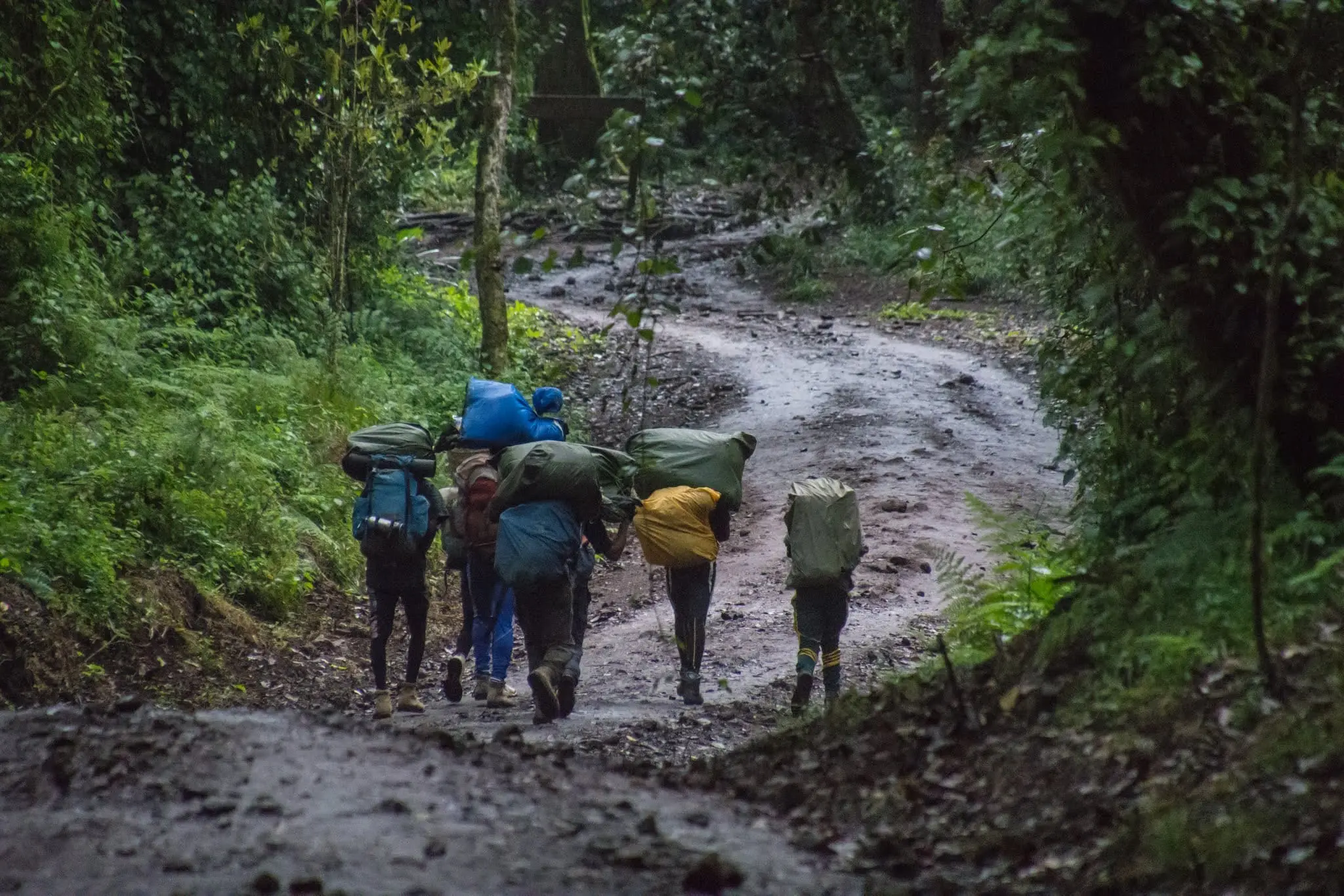
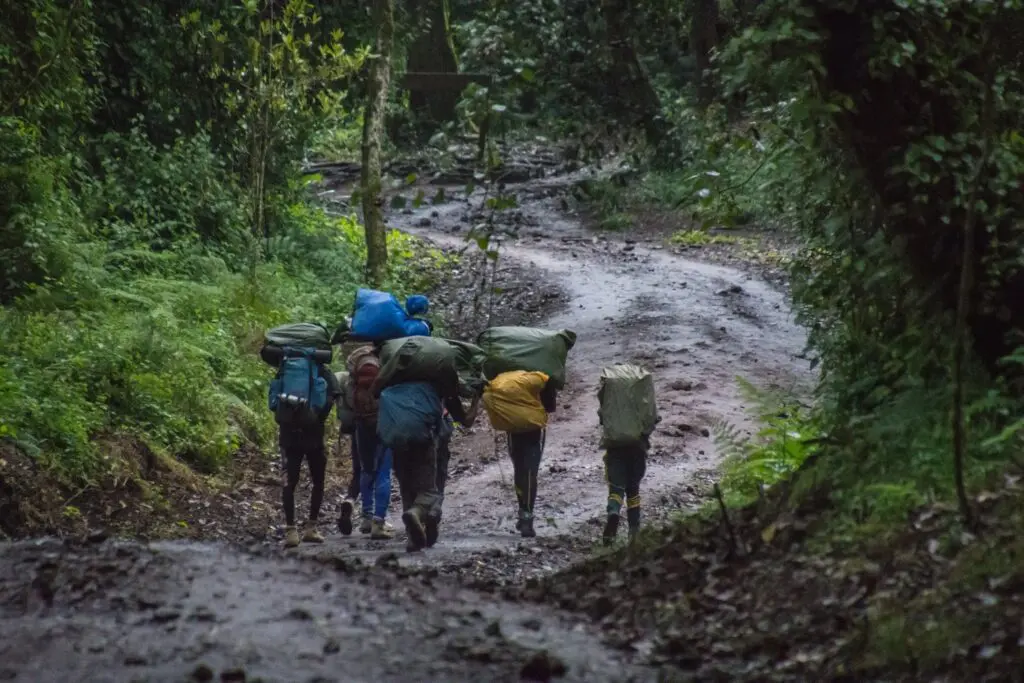
A Kilimanjaro climb is a team effort. Guides, assistant guides, cooks and porters work together throughout the journey.
Your guides lead the route, manage the pace and monitor your wellbeing. The cooks prepare meals on the mountain, while the porters transport shared equipment and help set up camp.
Their local knowledge, organisation and encouragement shape the entire experience. For many travellers, the connection with the mountain team becomes one of the most valued memories of the climb.
Our role is to make sure you understand what to expect before departure and feel supported while you are on the mountain.
Climb Kilimanjaro with Paradise & Wilderness
Tanzania is our home. Our local knowledge and personal approach allow us to organise your Kilimanjaro climb with care, from the first travel question to your return from the mountain.
We take time to understand your experience, expectations and preferred travel dates. From there, we help you choose a suitable route and prepare for the journey.
You can expect:
- Personal advice before booking
- Experienced local mountain guides
- Support from guides, cooks and porters
- Clear information about preparation and equipment
- Accommodation and meals during the climb
- Transfers connected to your mountain itinerary
- Support before and during your journey
Read more about Paradise & Wilderness and the people behind your Tanzania journey.
Plan my Kilimanjaro climbCombine Kilimanjaro with the rest of Tanzania
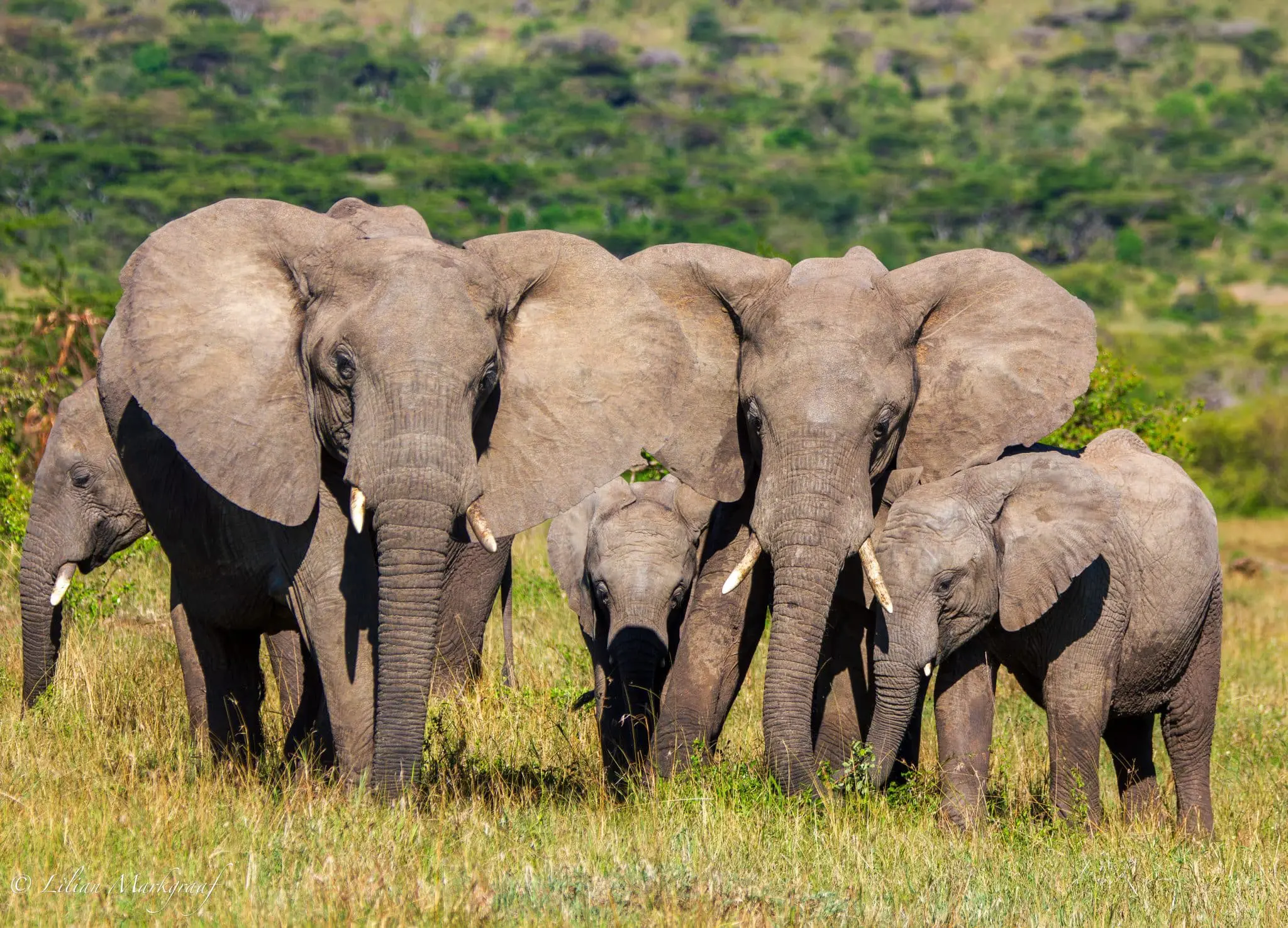
Your Kilimanjaro climb can be extended with time elsewhere in Tanzania. Some travellers choose a short safari after the mountain, while others prefer to rest beside the ocean on Zanzibar.
This extension is optional and does not need to determine the structure of your Kilimanjaro climb. We first help you select the right mountain itinerary. Additional travel can then be arranged around your available time and interests.
Explore our Tanzania safari options or read more about Zanzibar.
Start planning your Kilimanjaro climb
Reaching Uhuru Peak starts with choosing a route that suits you. Tell us when you want to travel, how many days you have available and what trekking experience you already have.
Our team will help you compare the Kilimanjaro trips and explain what you need to prepare before departure.
Request a personal proposal
Frequently asked questions about climbing Kilimanjaro
Do I need climbing experience to climb Kilimanjaro?
You do not need technical climbing experience to climb Kilimanjaro on the standard trekking routes. You do need sufficient fitness, good preparation and the ability to walk for several hours on consecutive days.
How long does it take to climb Kilimanjaro?
Climbing Kilimanjaro usually takes between five and nine days, depending on the route. A longer itinerary gives your body more time to adjust to the altitude.
How difficult is climbing Kilimanjaro?
Climbing Kilimanjaro is physically and mentally demanding, mainly because of the altitude and the number of walking days. The standard routes do not require technical mountaineering skills.
Which Kilimanjaro route should I choose?
The Kilimanjaro route you should choose depends on your available time, trekking experience, preferred accommodation and desired pace. Machame, Lemosho, Marangu and Rongai each offer a different mountain experience.
What is the best time to climb Kilimanjaro?
The most popular periods for climbing Kilimanjaro are January through March and June through October. These months are generally drier, but mountain weather can change quickly throughout the year.
What is the main challenge on Kilimanjaro?
Altitude is the main challenge on Kilimanjaro. Walking slowly, staying hydrated, resting and choosing an itinerary with enough time to acclimatise can support a safer ascent.
What is included in a Kilimanjaro trip?
A Kilimanjaro trip generally includes mountain guides, porters, meals, accommodation on the mountain, national park fees and transfers linked to the climb. The exact inclusions should be checked on the individual trip page.
Can I combine Kilimanjaro with a safari or Zanzibar?
You can combine a Kilimanjaro climb with a safari or Zanzibar. These additions are optional and can be arranged around your mountain itinerary and available travel time.