





Sustainable travel in Tanzania with Paradise & Wilderness
Tanzania and Zanzibar are places we care deeply about. They are also the places where our colleagues live, where our accommodations welcome guests and where our journeys take place every day. That makes responsible tourism part of how we work.
For Paradise & Wilderness, sustainable travel covers more than nature alone. It includes the way accommodations are managed, how employees are treated, how we work with local communities and how tourism can contribute to the places travelers visit.
Our approach is supported by Travelife assessment, our own policies and community initiatives focused on education, young people, community development, entrepreneurship and health care.
What sustainable travel means at Paradise & Wilderness
Sustainability in our accommodations
Responsible employment and the people behind your trip
Supporting communities in Tanzania and Zanzibar
Local culture as part of the travel experience
Responsible choices during your trip
How sustainability is connected to your journey
Independent recognition and our sustainability approach
See sustainable travel in practice
Frequently asked questions
What sustainable travel means at Paradise & Wilderness
Sustainable travel involves choices throughout the entire journey. This includes the accommodation where you stay, the people who guide and welcome you, the communities you visit and the way tourism activities are organized.
Within Paradise & Wilderness Group, we work on these subjects through our accommodations, tour operations, employment practices and community initiatives. Some parts of this approach are independently assessed through Travelife, while our social responsibility activities focus on the communities around us.
Sustainability in our accommodations
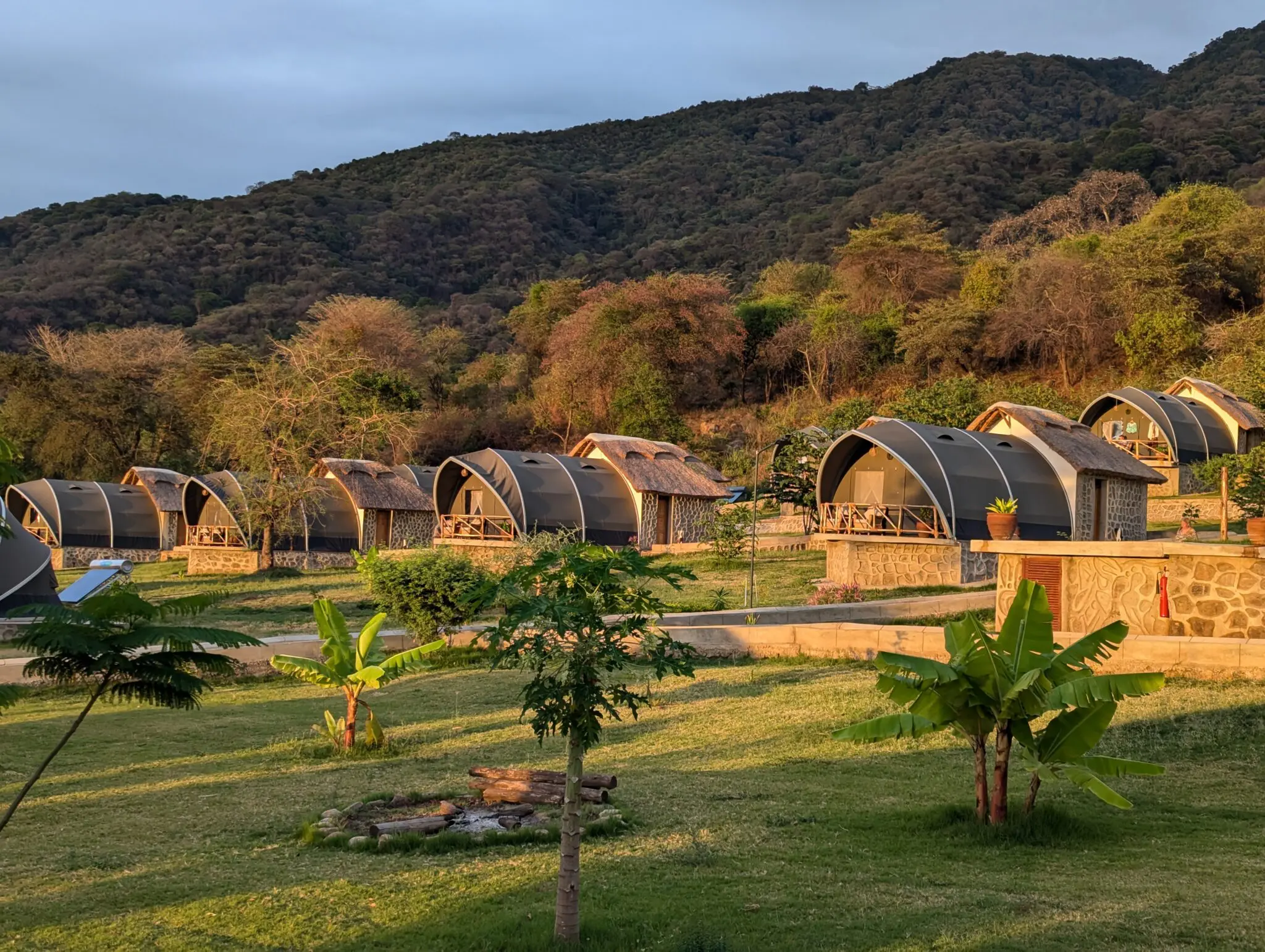
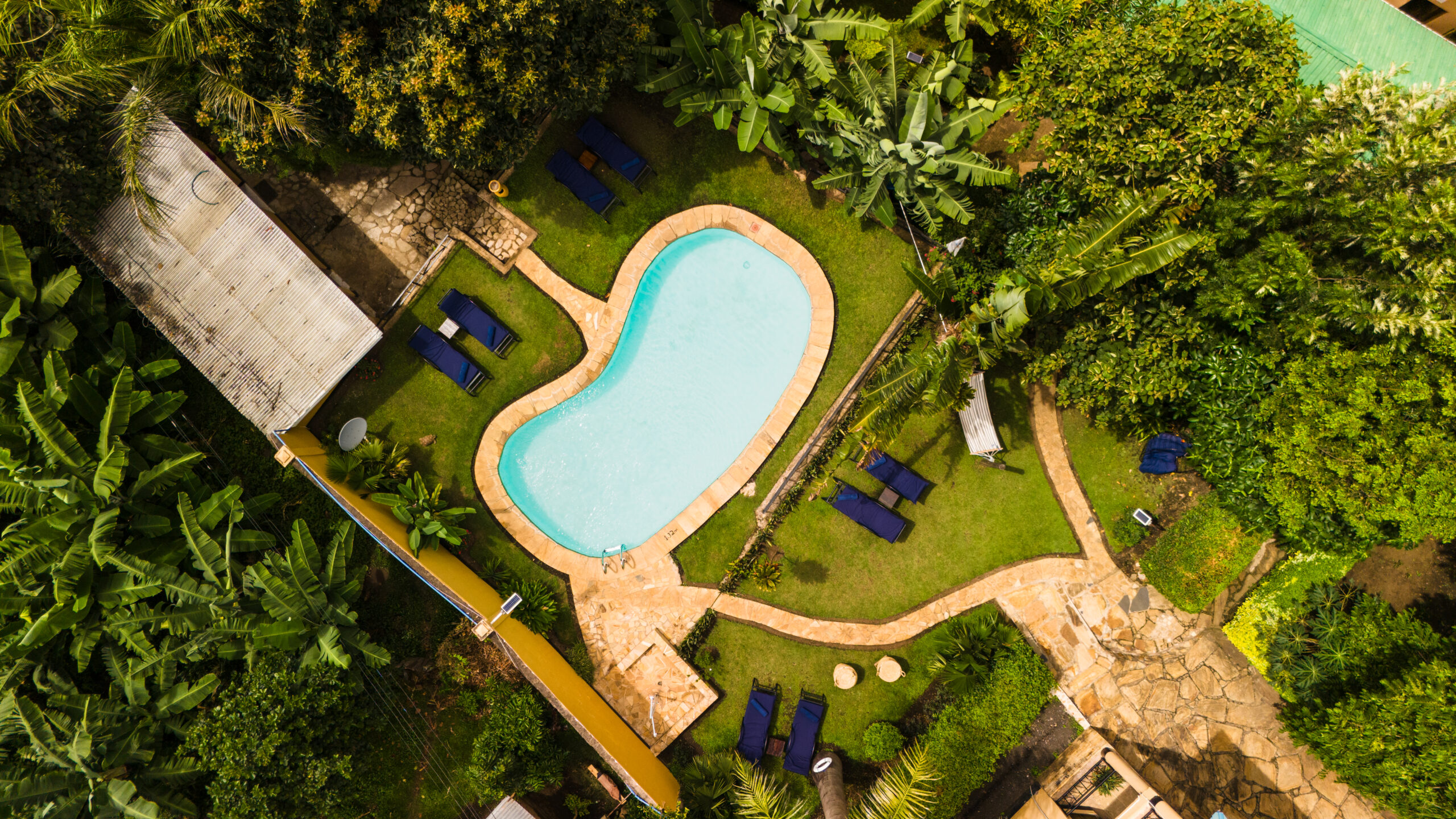
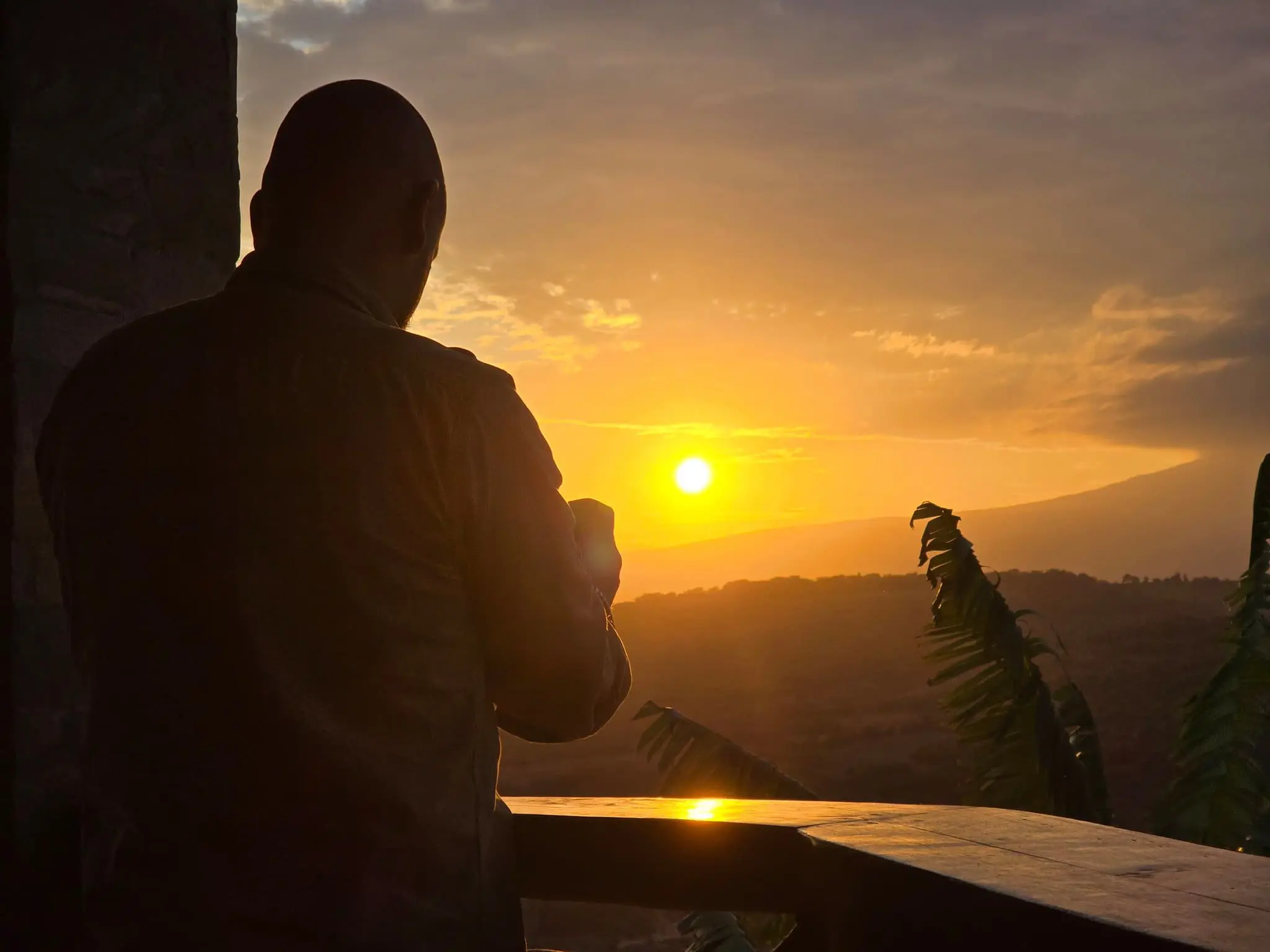
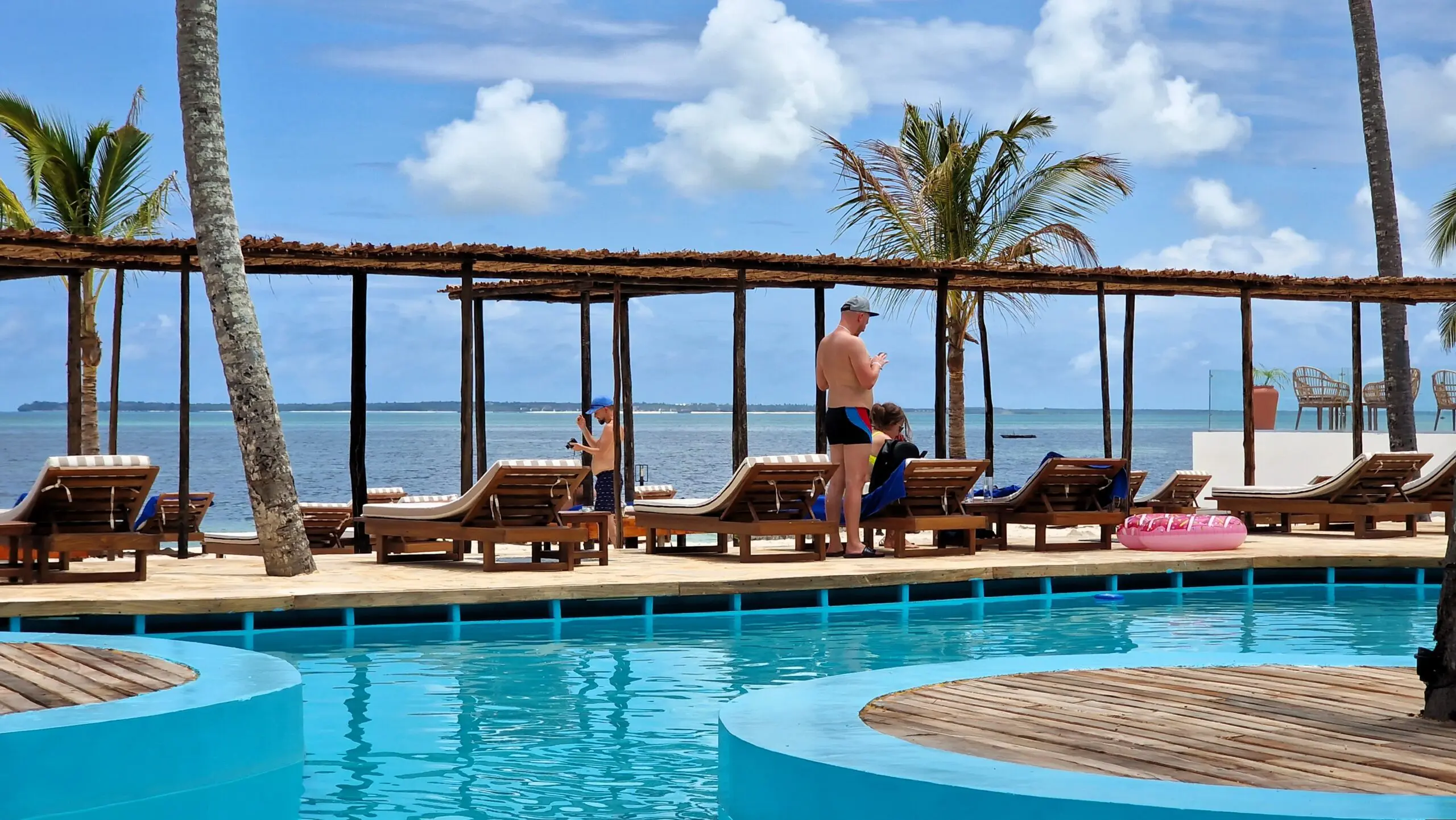
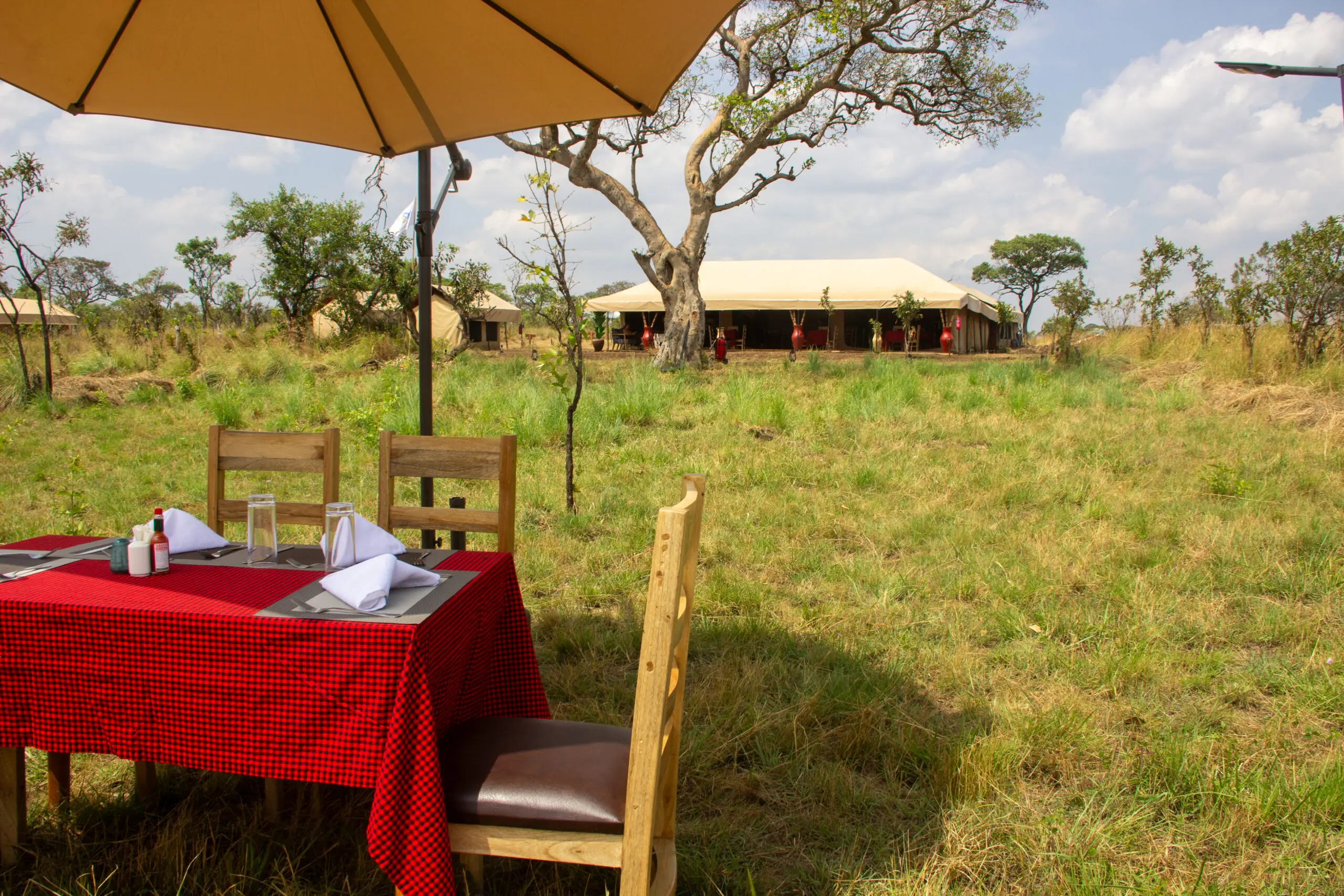
Many of our accommodations in Tanzania and Zanzibar are surrounded by nature. Guests may wake up close to wildlife, sleep near national parks or stay along the coast of Zanzibar. Protecting these surroundings is therefore directly connected to the future of our accommodations and the travel experiences they make possible.
Our existing sustainability approach focuses on limiting disturbance to the local environment while still providing guests with a comfortable place to stay. Environmental practices are also part of the criteria assessed through Travelife.
Travelife and independent assessment
Travelife provides sustainability certification for tourism businesses. For accommodations, the assessment covers environmental and social subjects including emissions, biodiversity, human rights, fair labor, child safeguarding and animal welfare.
According to the Travelife process used for our accommodations, certification requires compliance with its requirements and includes third party verification. A full audit is carried out on site by an independent assessor every two years. Travelife then reviews the findings before determining whether certification can be issued.
This independent assessment provides an additional layer of evidence alongside our own sustainability policies and activities.
You can read more about the program on the official Travelife website.
For the current Travelife status of our accommodations and tour operations, visit our certifications and awards page.
Working in and around nature
The landscapes and wildlife of Tanzania are at the heart of many journeys with Paradise & Wilderness. Our accommodations are often located close to the places travelers have come to experience, which makes the relationship between tourism and the surrounding environment particularly important.
Our sustainability work therefore includes attention to subjects covered by Travelife such as resource use, emissions, biodiversity and waste. These areas form part of the wider assessment of how tourism businesses operate.
Responsible employment and the people behind your trip
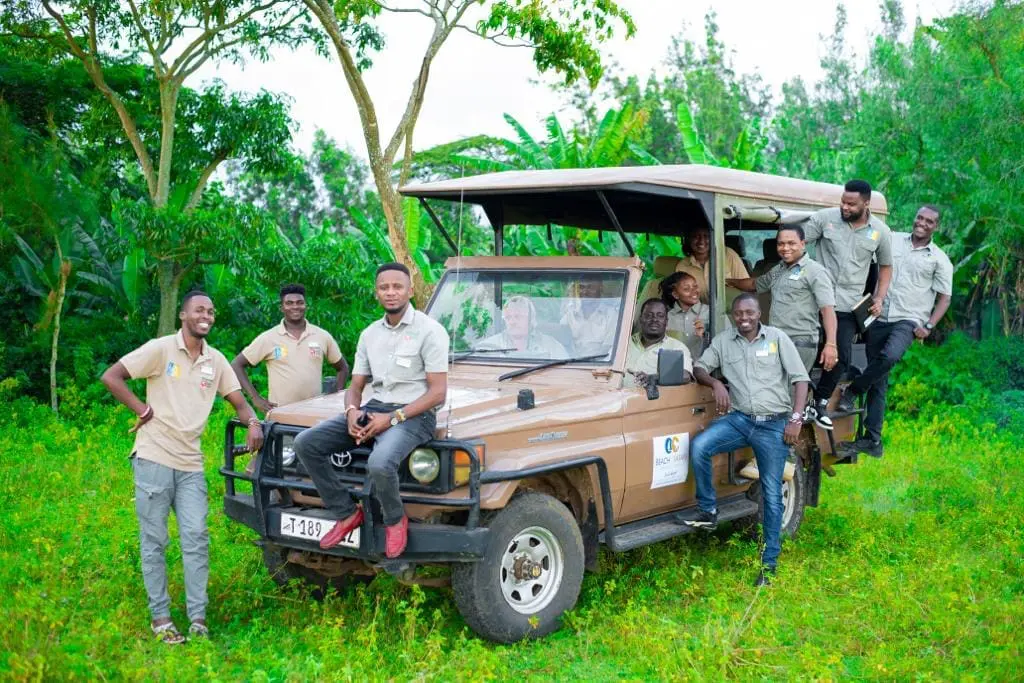
The people who guide safaris, welcome guests, prepare meals and manage our accommodations are a central part of every Paradise & Wilderness journey.
Our existing sustainability policy states that employees have stable contracts and receive salaries that provide greater continuity for them and their families. Our wider CSR approach also includes policies on human rights and on maintaining a safe, healthy and responsible working environment.
This focus on employment is part of sustainable travel because tourism does not only take place in national parks and resorts. It also creates workplaces and livelihoods for people living in Tanzania and Zanzibar.

Supporting communities in Tanzania and Zanzibar
Our social responsibility activities focus on communities around the places where we operate. Paradise & Wilderness supports local development through community initiatives and works with established Non Governmental Organizations on projects where collaboration can increase the reach of the work.
Guests can also be involved in community related activities. This creates a direct connection between travel and the people who live in the destination, while projects themselves are developed in cooperation with local and specialist organizations.
Five areas of community development
The Corporate Social Responsibility program within Beach & Safari Holidays, part of Paradise & Wilderness Group, focuses on five areas of community development:
- Education
- Youth development
- Community development
- Entrepreneurial development
- Health care
These areas provide the framework for deciding where community initiatives and partnerships can contribute.
Working together with NGOs
Community development is not something we want to approach in isolation. Beach & Safari Holidays works with established NGOs and involves guests in projects where this is appropriate.
Working with organizations that already have local knowledge and experience helps connect community initiatives with people who understand the needs and circumstances on the ground.
This wider community work and local development are supported through Beach Safari Usoni. Usoni means “future” in Swahili, a name that reflects the focus on creating opportunities and supporting longer term development within local communities.
Local excursions and community encounters
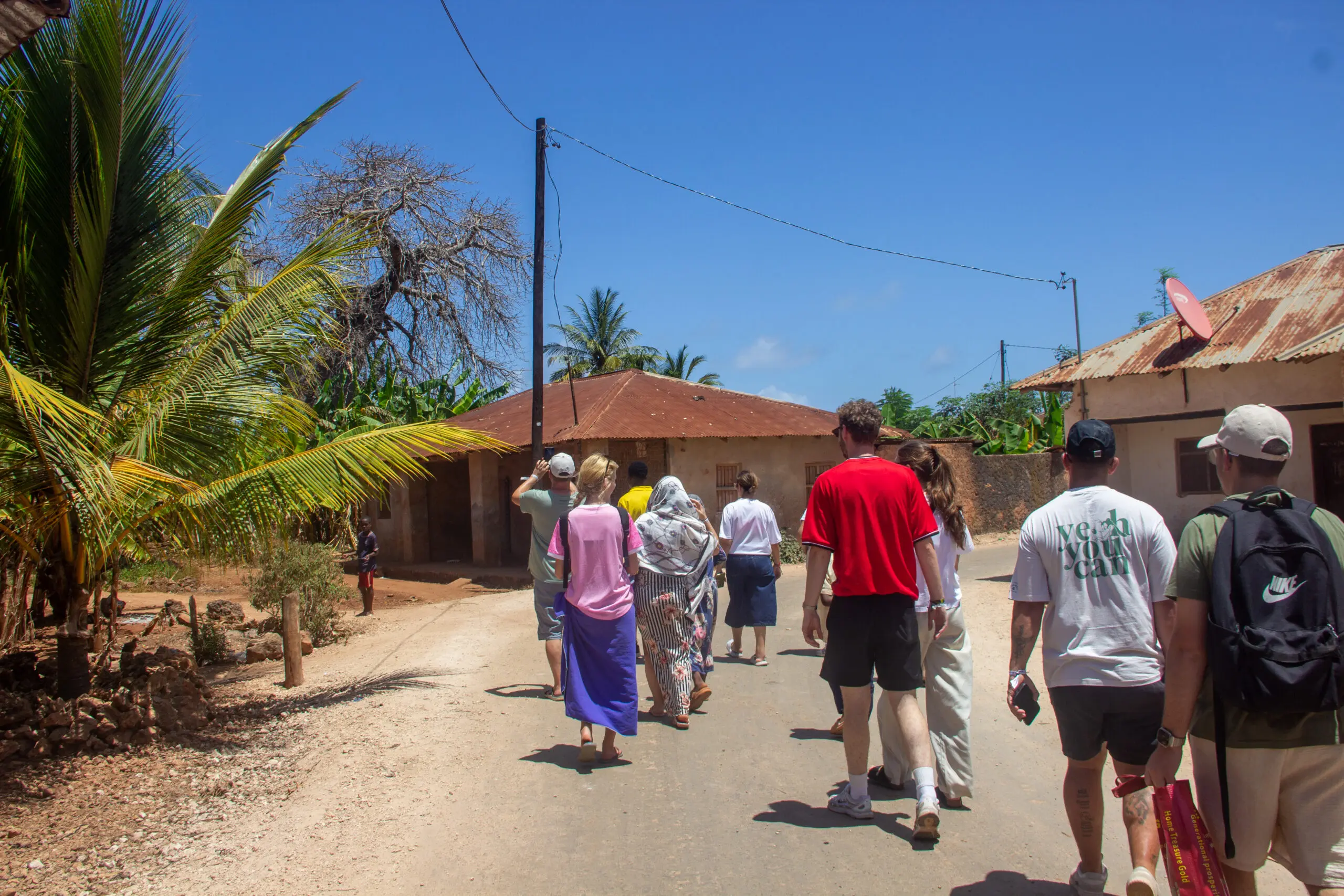
Travelers can also meet local communities during selected excursions in Tanzania. These activities give guests the opportunity to learn more about daily life, traditions and local culture while supporting community based tourism activities.
Examples include Lunch at Mama’s, where food and local hospitality are central to the experience.
During the Maasai Boma Tour in Mto wa Mbu, travelers learn about Maasai traditions, homes, jewelry and cultural practices.
The Village Walk in Ngare Sero introduces travelers to Maasai women, elders, warriors and families and provides more context about pastoral life, culture and traditions.
Local culture as part of the travel experience
Sustainable travel also means recognizing that Tanzania and Zanzibar are places where people live, work and create. Local culture should therefore be treated as part of the destination rather than as a backdrop to a safari or beach holiday.
Our existing sustainable travel content highlights Tanzanian traditions and art, including Tinga Tinga painting. This painting style originates in Tanzania and is known for colorful depictions of animals, nature and daily life.
Community based excursions provide another way to learn about local culture directly from the people you meet during the journey.
Responsible choices during your trip
Travelers also play a part in caring for the destinations they visit. Some choices are determined by local rules, while others relate to how you interact with communities, nature and the places where you stay.
Plastic carrier bags are prohibited in Tanzania
Travelers entering mainland Tanzania should be aware that plastic carrier bags have been prohibited since 1 June 2019. Visitors are advised not to bring plastic carrier bags in checked or hand luggage.
Plastic bags used specifically to carry toiletries, such as Ziploc bags that remain in the traveler’s possession, are permitted under the government guidance.
You can read the official information in the Tanzania government notice for travelers.
How sustainability is connected to your journey
A sustainability policy matters most when it is connected to the way a trip is actually organized. For Paradise & Wilderness, that connection runs through accommodation, employment, community initiatives and the activities travelers can experience during their stay.
A safari may include several accommodations, a local guide, visits to national parks and encounters with communities. A stay on Zanzibar adds another destination with its own people, environment and tourism sector. Responsible tourism therefore involves many different parts of the journey.
Our goal is to keep working on these areas while being clear about what is independently assessed, what is part of our own policy and where community partnerships play a role.
Independent recognition and our sustainability approach
Travelife provides independent assessment of specific sustainability practices. Professional tourism organizations and traveler awards provide other forms of external recognition.
We keep those different types of recognition separate so it is clear what each one represents. For an overview of our current Travelife recognition, traveler awards and tourism affiliations, see our certifications and awards.
See sustainable travel in practice
Sustainable travel is easier to understand through concrete examples. A community excursion, an accommodation surrounded by nature or the people working with you during a safari all show a different part of how tourism connects with Tanzania and Zanzibar.
You can explore our accommodations in Tanzania and Zanzibar or browse our trips through Tanzania and Zanzibar to see how different destinations can be combined.
For another perspective, read the experiences of our travelers and see what guests say about the people, accommodations and organization behind their journeys.
Plan your Tanzania and Zanzibar journey
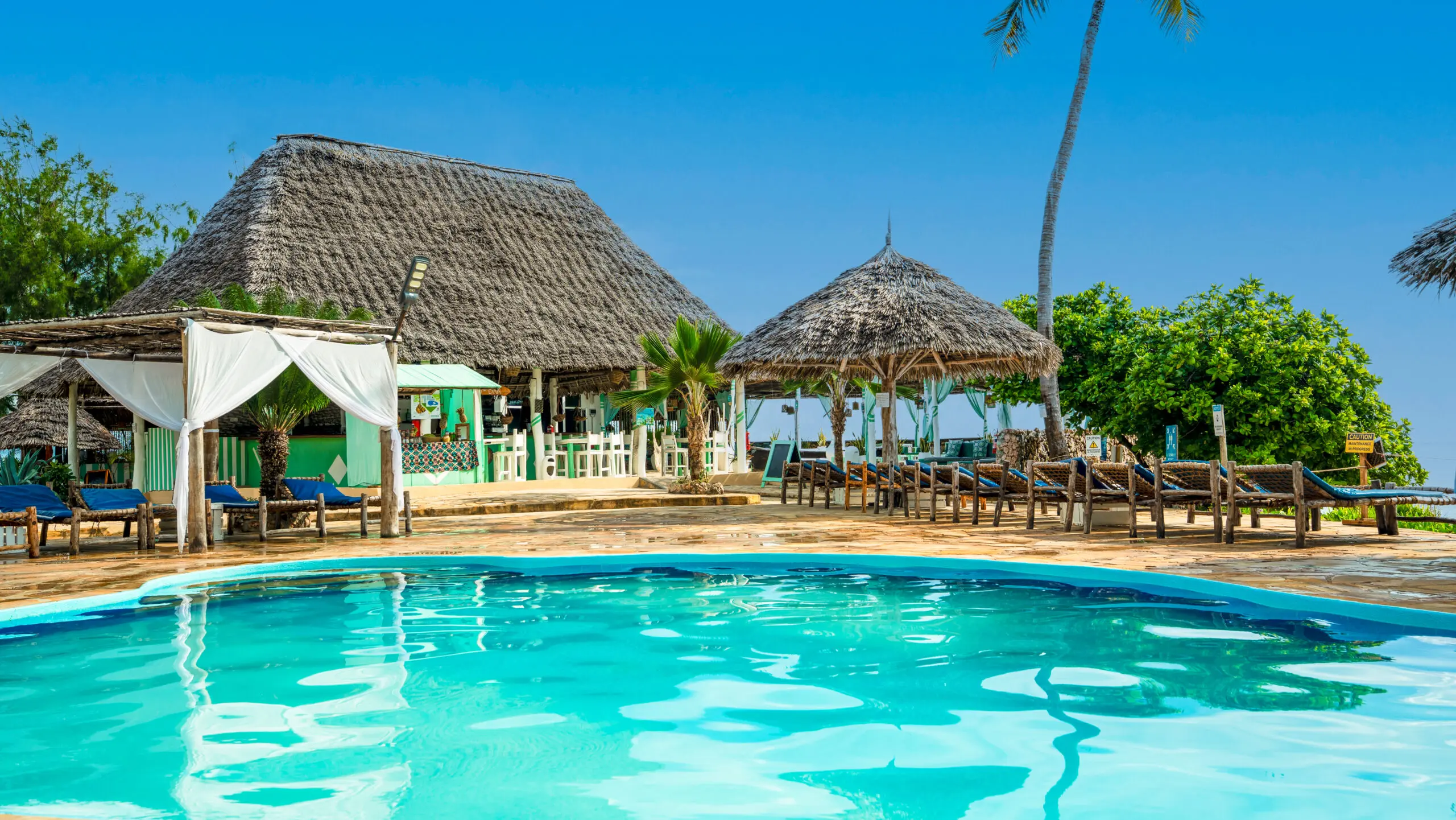
Your route can be shaped around the places you want to see and the way you prefer to travel. You may want to spend more time on safari, combine Tanzania with Zanzibar or include experiences that bring you closer to local communities.
Our travel consultants can help you look at the route, accommodations and activities that fit your wishes while explaining the different options available during the journey.
Ask for personal travel advice View our Tanzania and Zanzibar trips
Frequently asked questions about sustainable travel
These questions provide additional information about Travelife, community activities and practical choices connected with sustainable travel in Tanzania and Zanzibar.
Does Travelife also assess social issues such as human rights and animal welfare?
Yes. The Travelife requirements described in our CSR information cover subjects including emissions, biodiversity, human rights, fair labor, child safeguarding and animal welfare. This means the assessment looks at environmental and social areas of tourism operations.
How often does Travelife independently audit certified accommodations?
The Travelife certification process described for our accommodations includes a full on site audit by an independent assessor every two years. The auditor’s findings are then reviewed before Travelife determines whether certification can be issued.
Which areas does the Paradise & Wilderness community program focus on?
The community program focuses on five areas: education, youth development, community development, entrepreneurial development and health care. These areas guide the wider Corporate Social Responsibility activities of Beach & Safari Holidays within Paradise & Wilderness Group.
Can travelers visit local communities during their trip?
Yes. Selected Paradise & Wilderness excursions include visits and activities with local communities. Examples are Lunch at Mama’s, the Maasai Boma Tour in Mto wa Mbu and the Village Walk in Ngare Sero.
Are plastic bags allowed when traveling to Tanzania?
Plastic carrier bags are prohibited in mainland Tanzania. The government ban has applied since 1 June 2019 and visitors are advised not to carry plastic carrier bags in their luggage. Ziploc bags specifically used for toiletries are permitted when they remain in the traveler’s possession.
Where can I check the current Paradise & Wilderness sustainability certifications?
You can find the current Travelife recognition and other external recognition on our certifications and awards page. This page separates sustainability certification from traveler awards and professional tourism affiliations so it is clear what each recognition represents.