





Complete Northern Circuit
12 Days | Complete Northern Circuit

The secrets of East Africa
Embark on an enchanting safari adventure through the diverse landscapes and vibrant cultures of northern Tanzania. Discover, among other things, the fascinating Lake Manyara National Park, where flamingos grace the lakeshore and tree-climbing lions roam the acacia-strewn plains. Travel on to the iconic Serengeti National Park, with boundless horizons and the legendary Great Migration. In the northern Serengeti you will find an intimate encounter with the wonders of nature, where untouched wilderness and remote nooks reveal the secrets of Africa’s ecosystems.
Highlights
- Ngorongoro Crater
- Lake Manyara National Park
- Relax days
- Night game drive
Prices from
- 2 people
in 1 room€3,459 p.p. - 4 people
in 2 rooms€2,808 p.p. - 6 people
in 3 rooms€2,591 p.p.
Includes among others
- Domestic flight
- Pick-up & Drop-off at the airport or in Arusha
- Park fees for the national parks described
- English-speaking private driver/guide
Features & FAQ
A safari and stay in Tanzania is completely safe. All our drivers and guides are experts in this field and have undergone extensive training to properly handle nature and animals. All necessary precautions are also taken at our accommodations to provide you with a safe place to stay.
No, this is unfortunately not possible. Due to the safety of you and the wildlife, it is not allowed to drive around on your own. A specialized guide and driver is therefore always included in our tours.
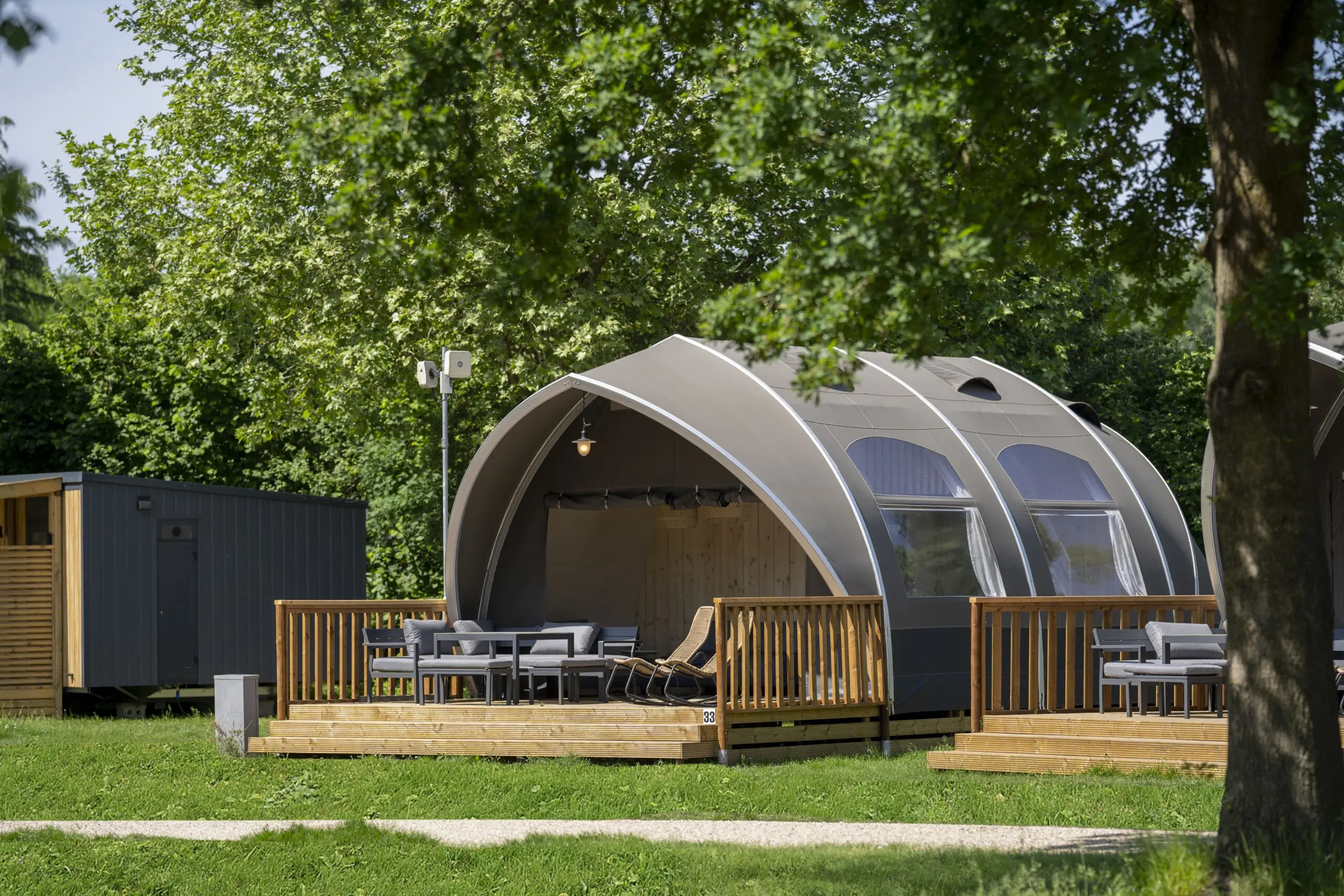
You can choose this for yourself. We offer tents or bungalows at all our resorts with private bathrooms, good beds and electricity. We also offer budget-proof safari tents at some resorts. These are more basic and have a shared bathroom. In addition, many of our resorts feature a swimming pool, restaurant, gym and public area with Wi-Fi.
Yes, there are differences in animals between northern and southern Tanzania, although they largely overlap. Both regions offer impressive wildlife experiences, but the type of landscape, concentration of animals and the way you experience them differ. Here's a clear overview:
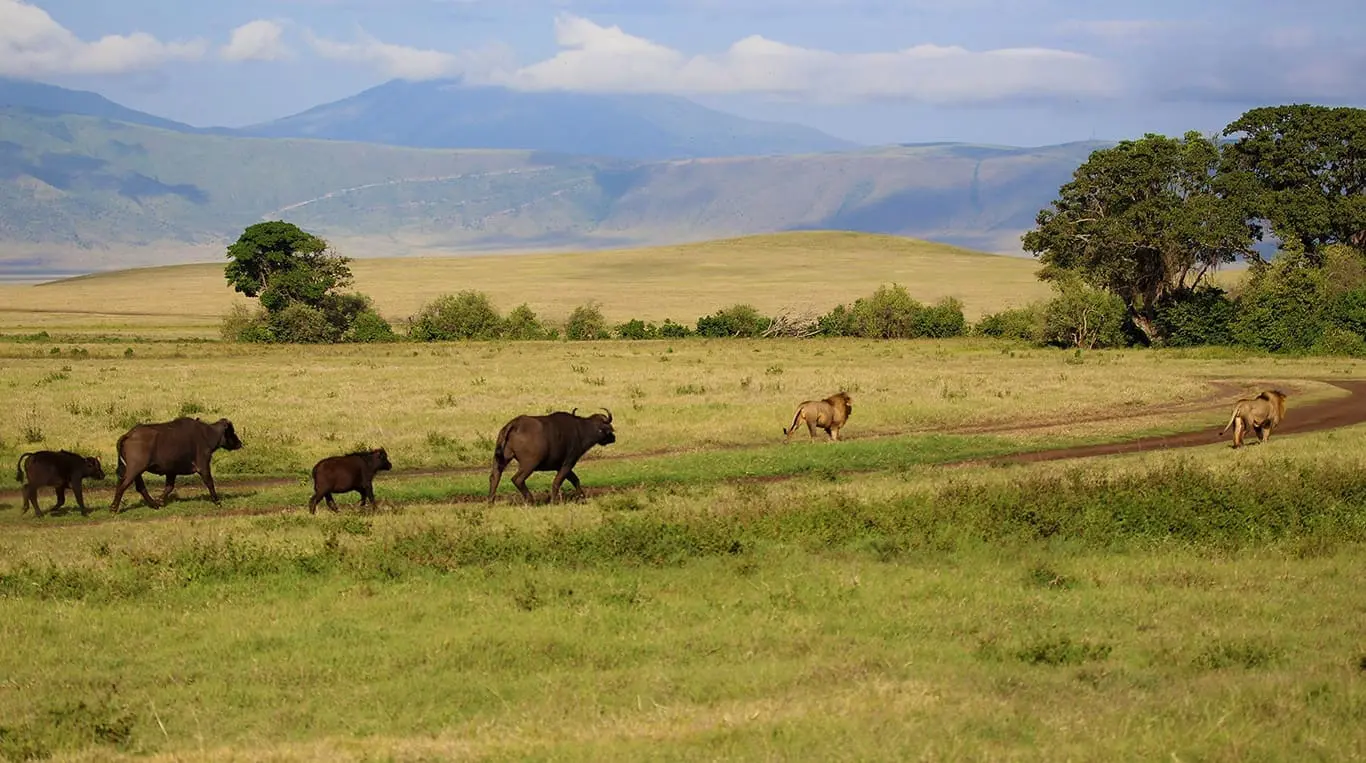
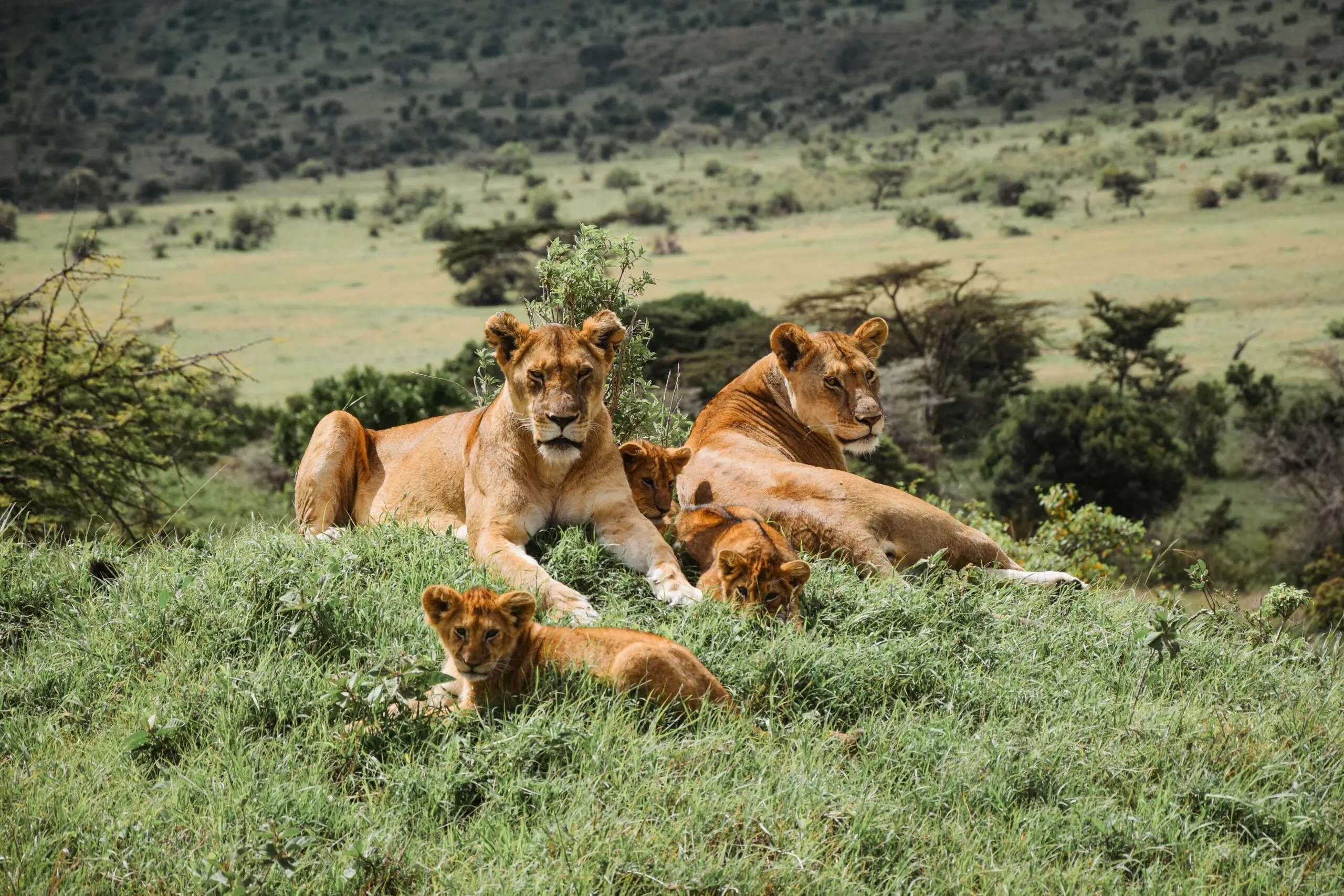
- In northern Tanzania, you'll find iconic nature reserves such as the Serengeti and Ngorongoro Crater. Here you will see large herds of wildebeest and zebra during the Great Migration, impressive lion prides, and have the best chance of spotting the rhinoceros, one of the few places in Africa where you can complete the Big Five.
- Southern Tanzania is loved precisely for its tranquility, vast landscapes and adventurous safari style. In parks such as Nyerere and Mikumi you will encounter few other vehicles, but you will see many elephants, hippos and unique species. In particular, the rare wild dog is regularly seen here, something almost unheard of in the north.
In Tanzania, the Big Five: lion, elephant, buffalo, leopard and rhino, are best spotted in northern Tanzania.
You go on a private trip, alone or with your travel company. So you will not travel in a group. Our experienced and knowledgeable driver, who is also your guide, will proudly show you Tanzania.
Do you prefer to travel with a mixed group? Then take a look at the possibilities at our Group Tours and Shared Safaris.
For ages 5 and up, everyone is welcome to join the safari!
Programme summary
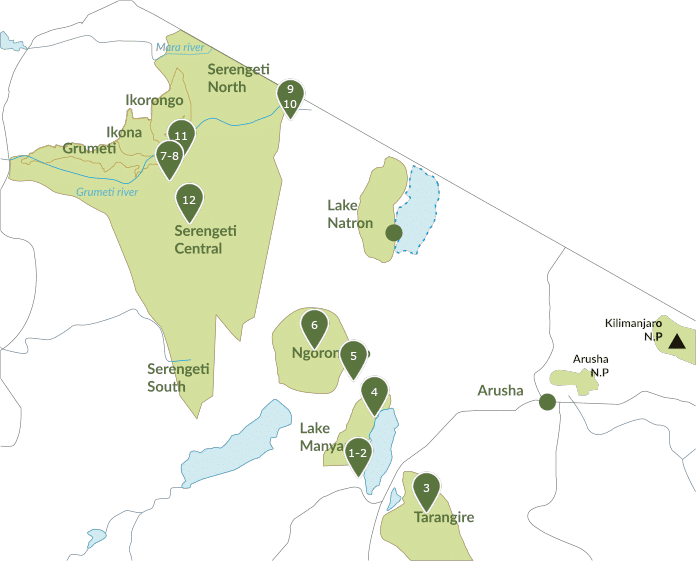
Day 01 – Start of program | Arusha/Rift Valley
Day 02 – Game drive in Lake Manyara NP
Day 03 – Game drive in Tarangire NP
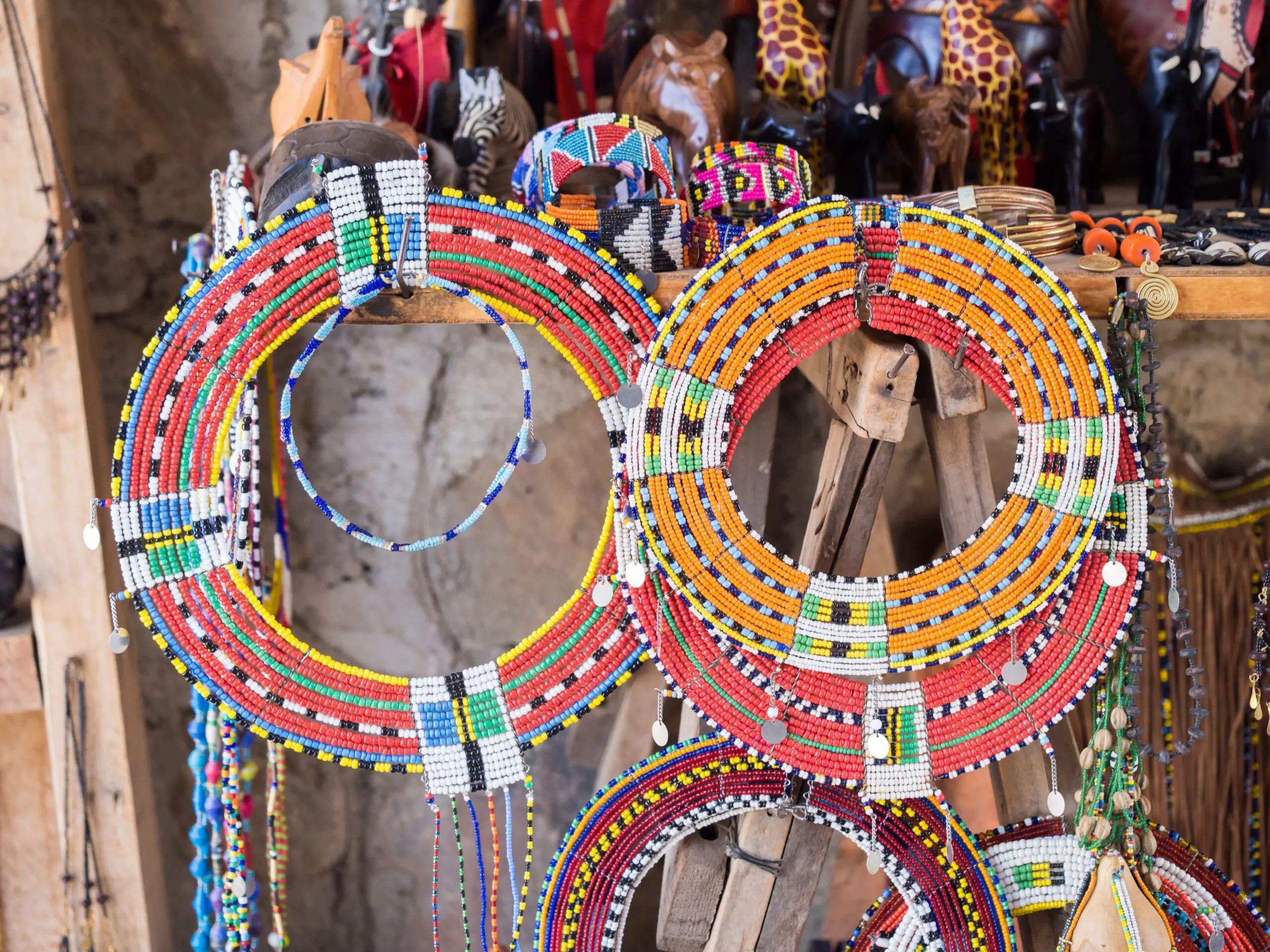
Day 04 – Culture Maasai Boma tour
Day 05 – Relax day
Day 06 – Game drive in the Ngorongoro Crater
Day 07 – Game drive in Serengeti NP
Day 08 – Walking safari & Night game drive
Day 09 – Game drive in Serengeti NP
Day 10 – Game drive in Pololeti GR.
Day 11 – Game drive in Serengeti NP
Day 12 – Domestic flight to Arusha Airport.
Day 1 | Start of your safari adventure
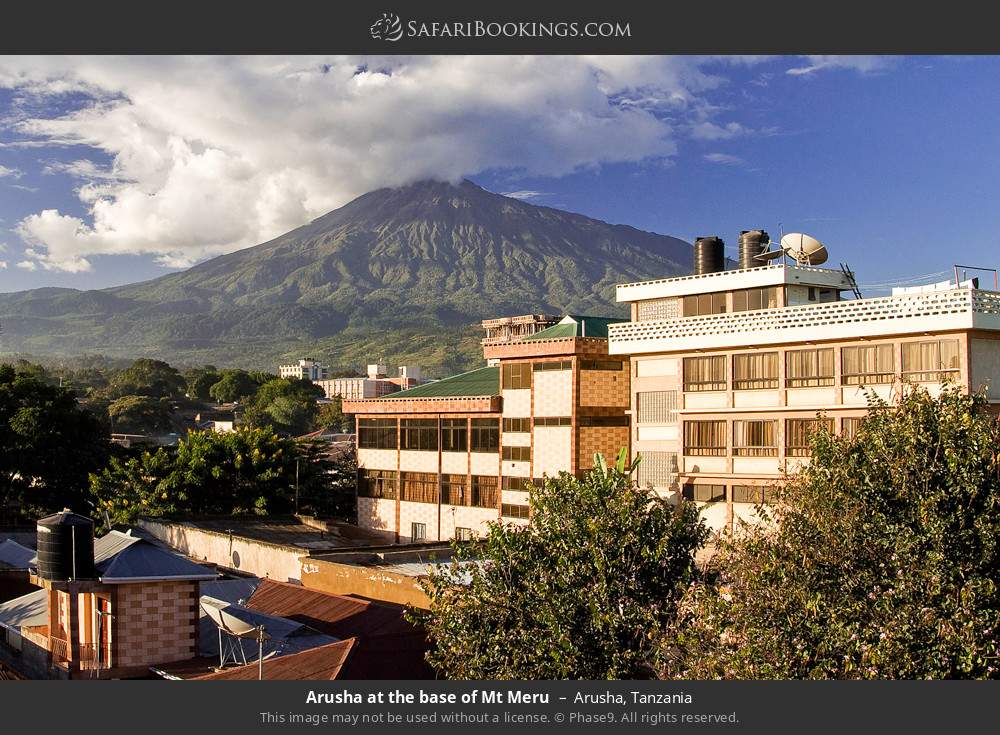
Start your roundtrip right away with a road trip to Rift Valley. From the bustling city of Arusha, situated at the foot of Mount Meru and gateway to some of Tanzania's most iconic national parks, you'll experience an enchanting landscape of rolling hills, lush forests and picturesque villages. As you traverse the Great Rift Valley, witness the dramatic geological formations that characterize this region, from steep slopes to volcanic peaks. This first night you will stay at Africa Safari Rift Valley where you can rest from your outward journey and first road trip.
Day 2 | Game drive in Lake Manyara National Park
Wake up and enjoy the wonderful peace that reigns on the grounds of Africa Safari Rift Valley. An extensive buffet awaits you, where you can enjoy a good breakfast with a delicious cup of coffee. As soon as you are ready, you will depart with your private driver for the first national park. Begin your expedition in the fascinating Lake Manyara National Park, where flamingos adorn the lakeshore and tree-climbing lions roam the acacia-strewn plains. A day full of special moments with various wildlife in their natural habitat. At the end of the day you will leave Lake Manyara National Park and return to Africa Safari Rift Valley.
Day 3 | Game drive in Tarangire National Park
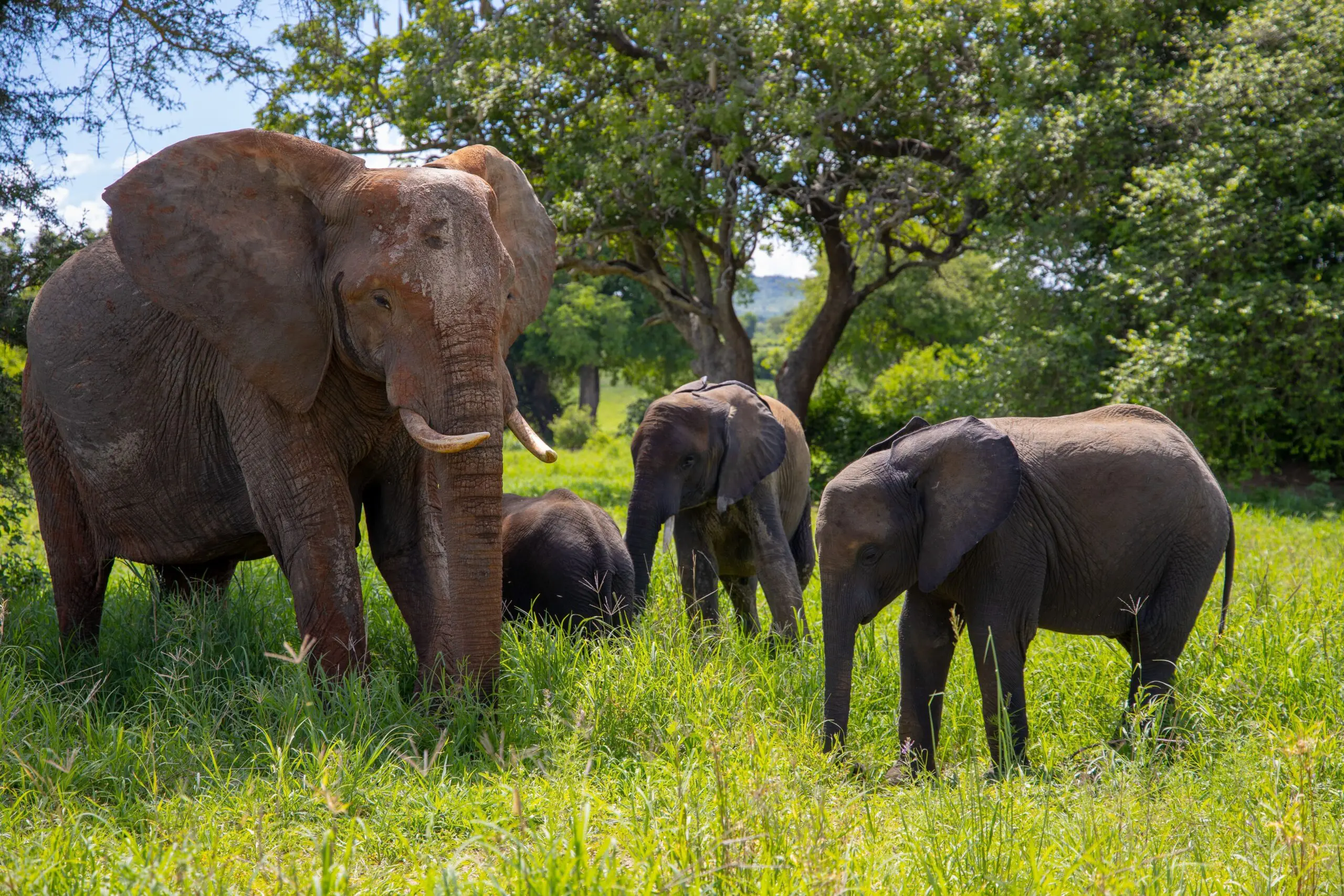
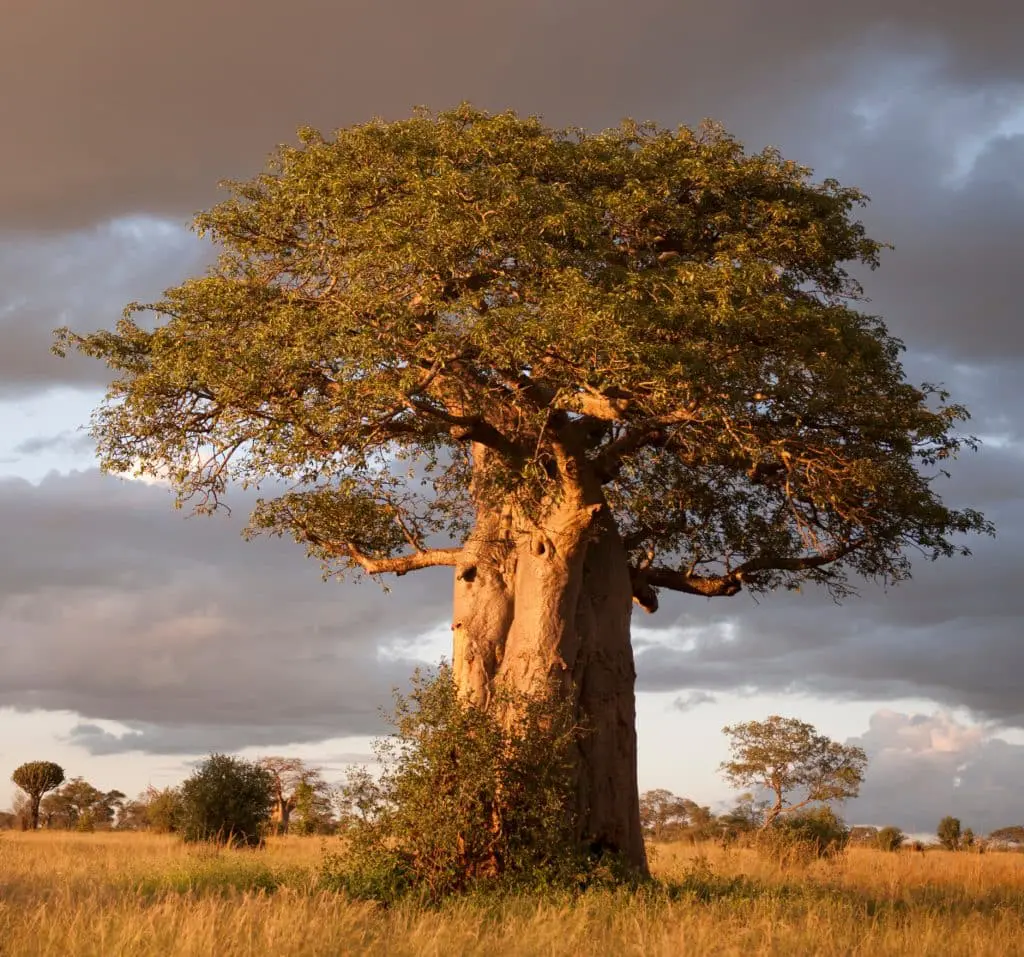
A new day, so also a new game drive. After a short drive, you arrive at Tarangire National Park, where huge baobabs and elephants define the landscape. Here, in the heart of northern Tanzania, many wildlife species gather at the Tarangire River to quench their thirst or just to hunt for prey. Witness unique hunting moments where the lionesses try to catch the prey and experience the power of nature. Your safari adventure continues at Africa Safari Lake Manyara where zebras and wildebeest love to come and graze on the property. Keep your tent zippers securely closed as the curious monkeys love to peek inside in search of something tasty.
Day 4 | The cultural and traditional Maasai Boma tour
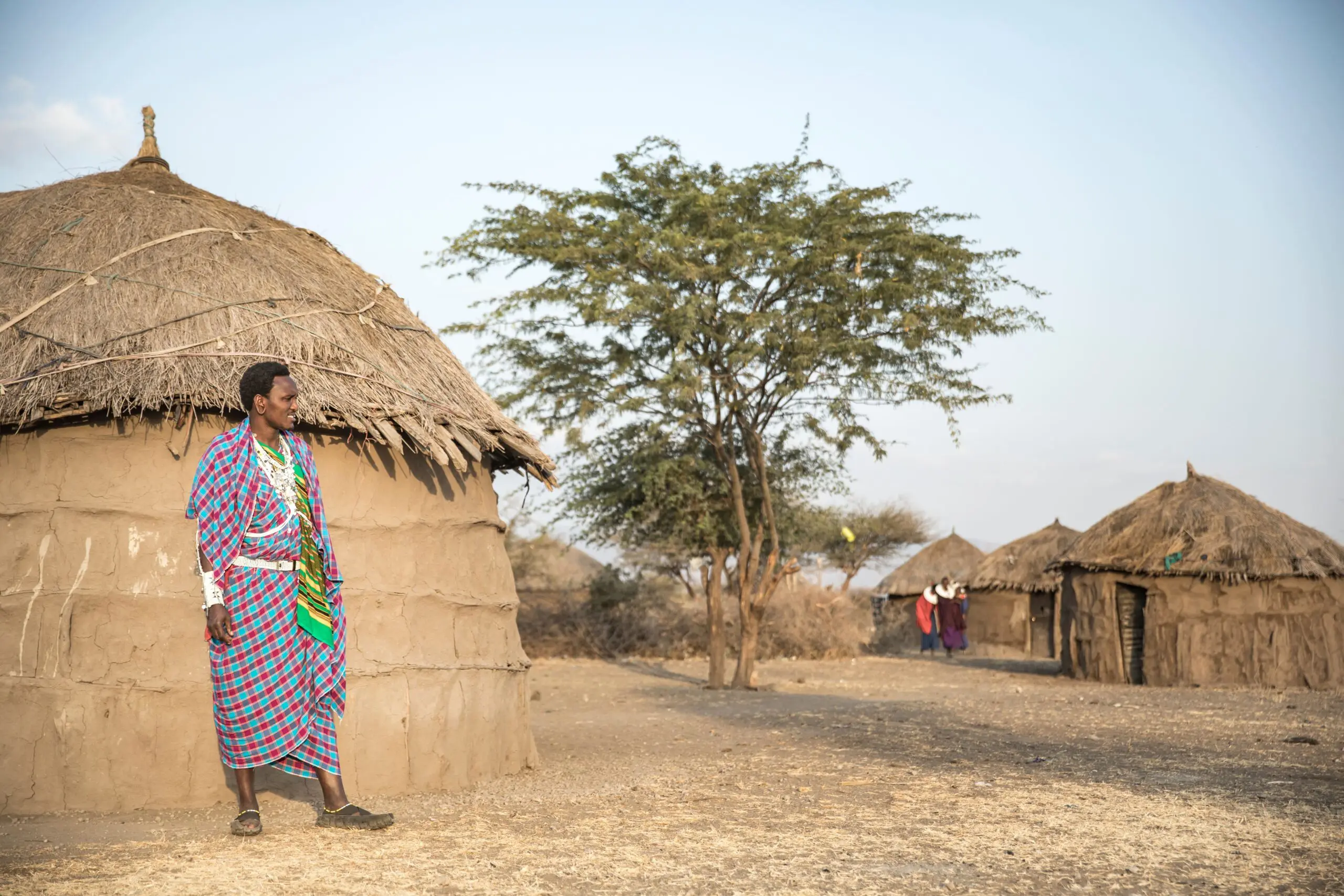
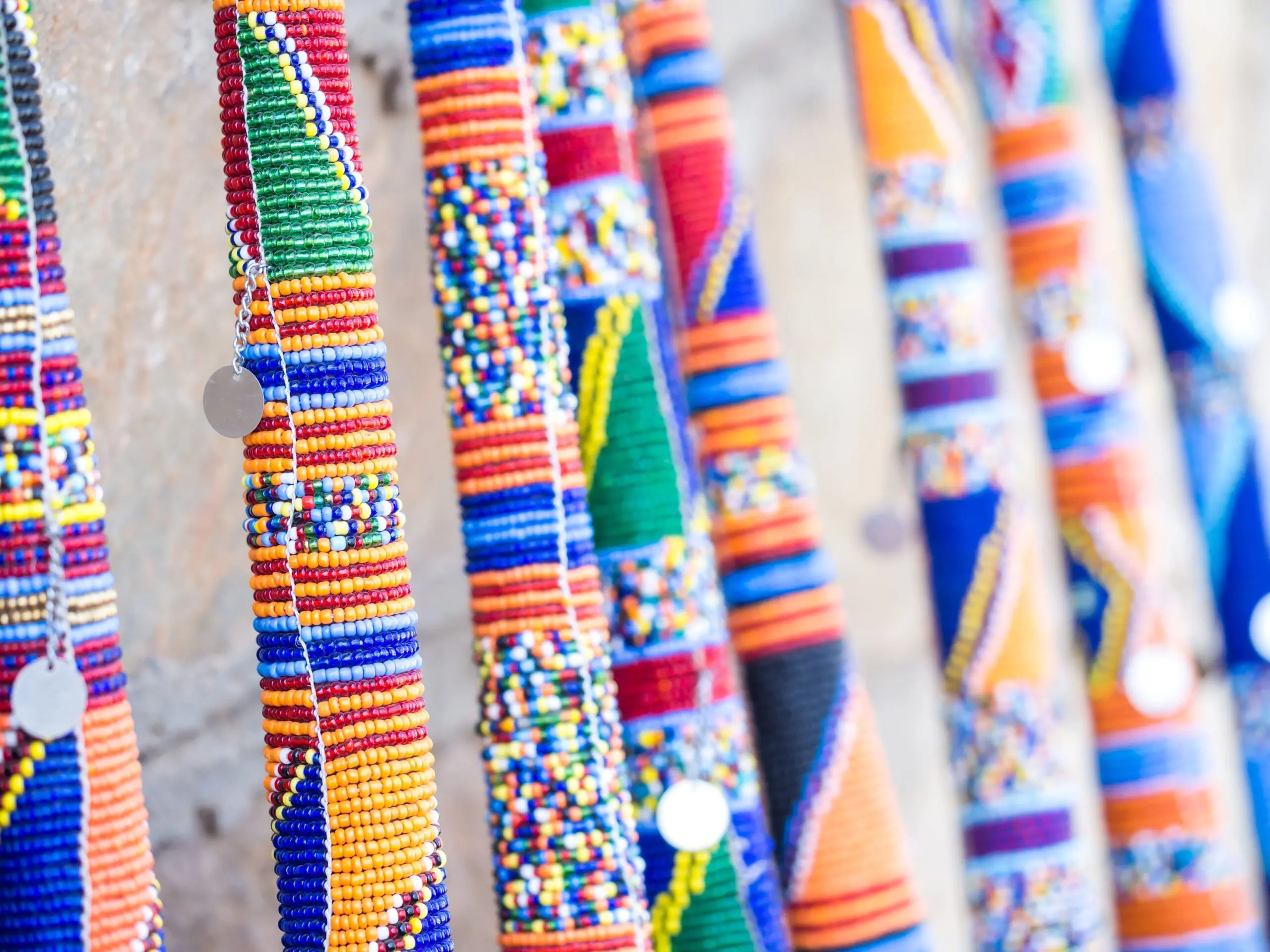
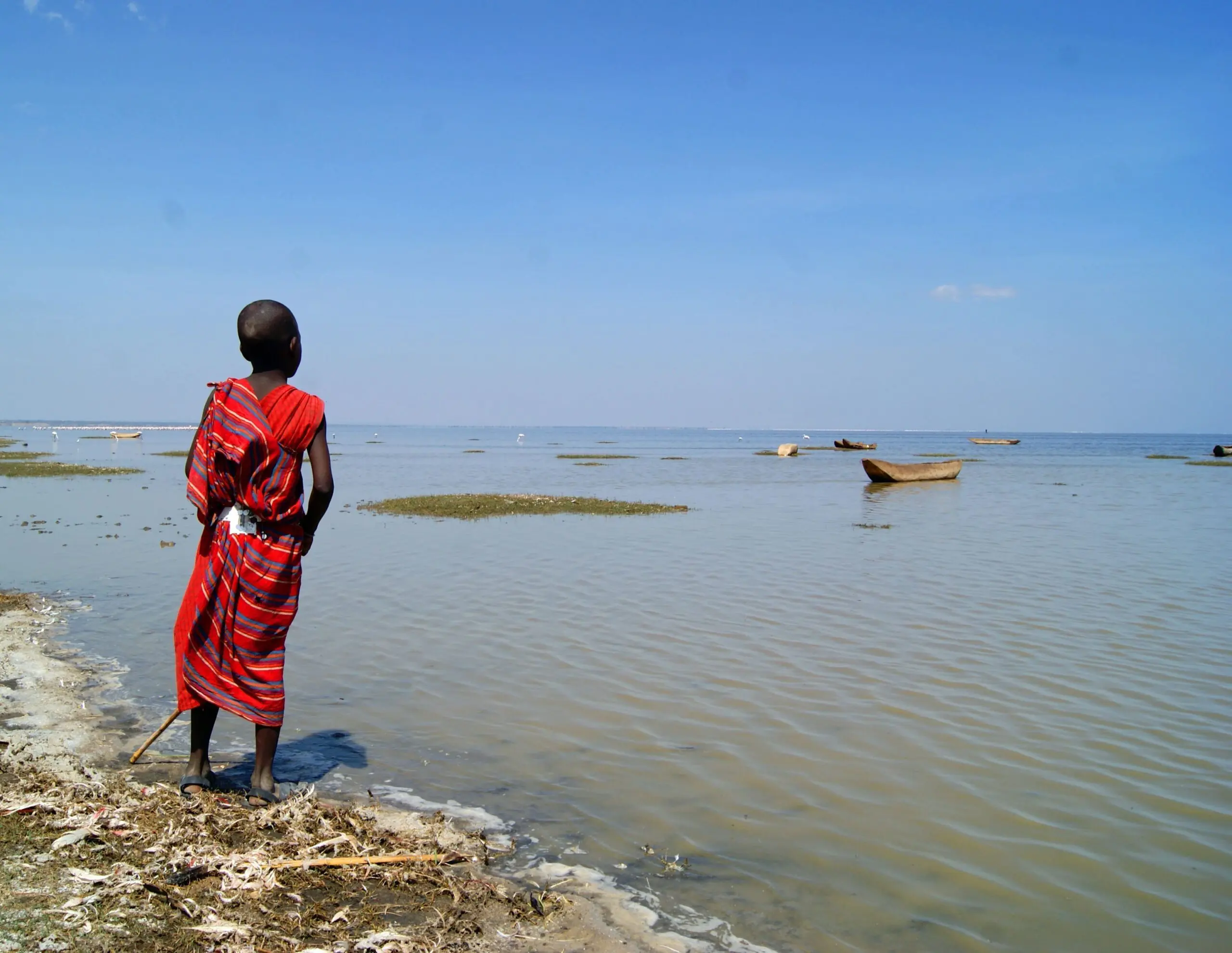
The sun rises and before the day really begins, you can enjoy a fresh cup of coffee or tea on your own veranda. If only you are quiet enough, the zebras will come back to graze off the fresh grass around your tent. You couldn't wish for a better start to the day could you? The breakfast buffet is ready in the restaurant that overlooks Lake Manyara and the vast area. Make sure you have eaten well, because today a special cultural excursion is scheduled. Namely, you will visit a Maasai Boma! A living testament to the rich cultural heritage of the Maasai people. Immerse yourself in their ancient traditions and gain insight into a way of life that is in harmony with the land.
Day 5 | Relax day
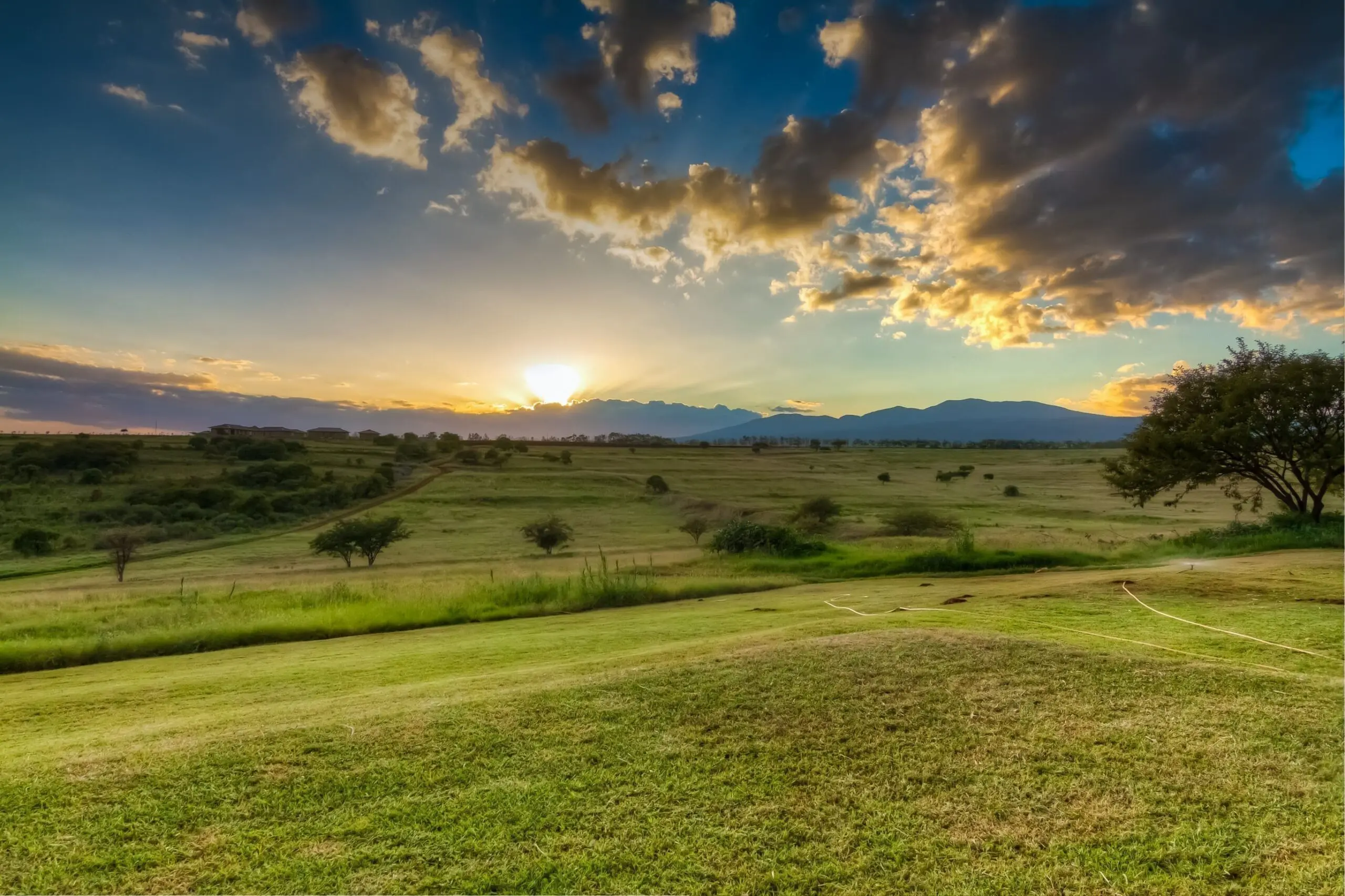
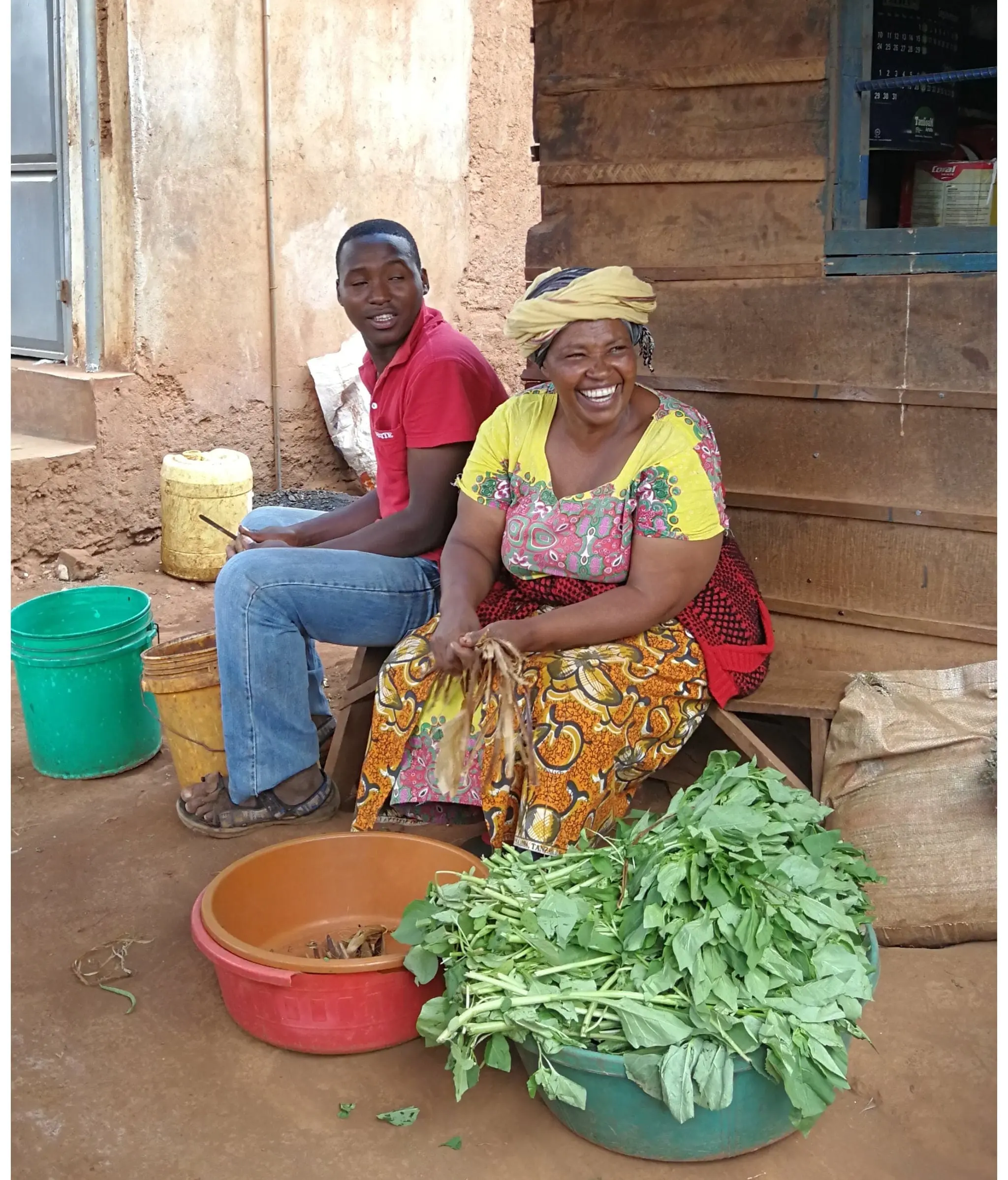
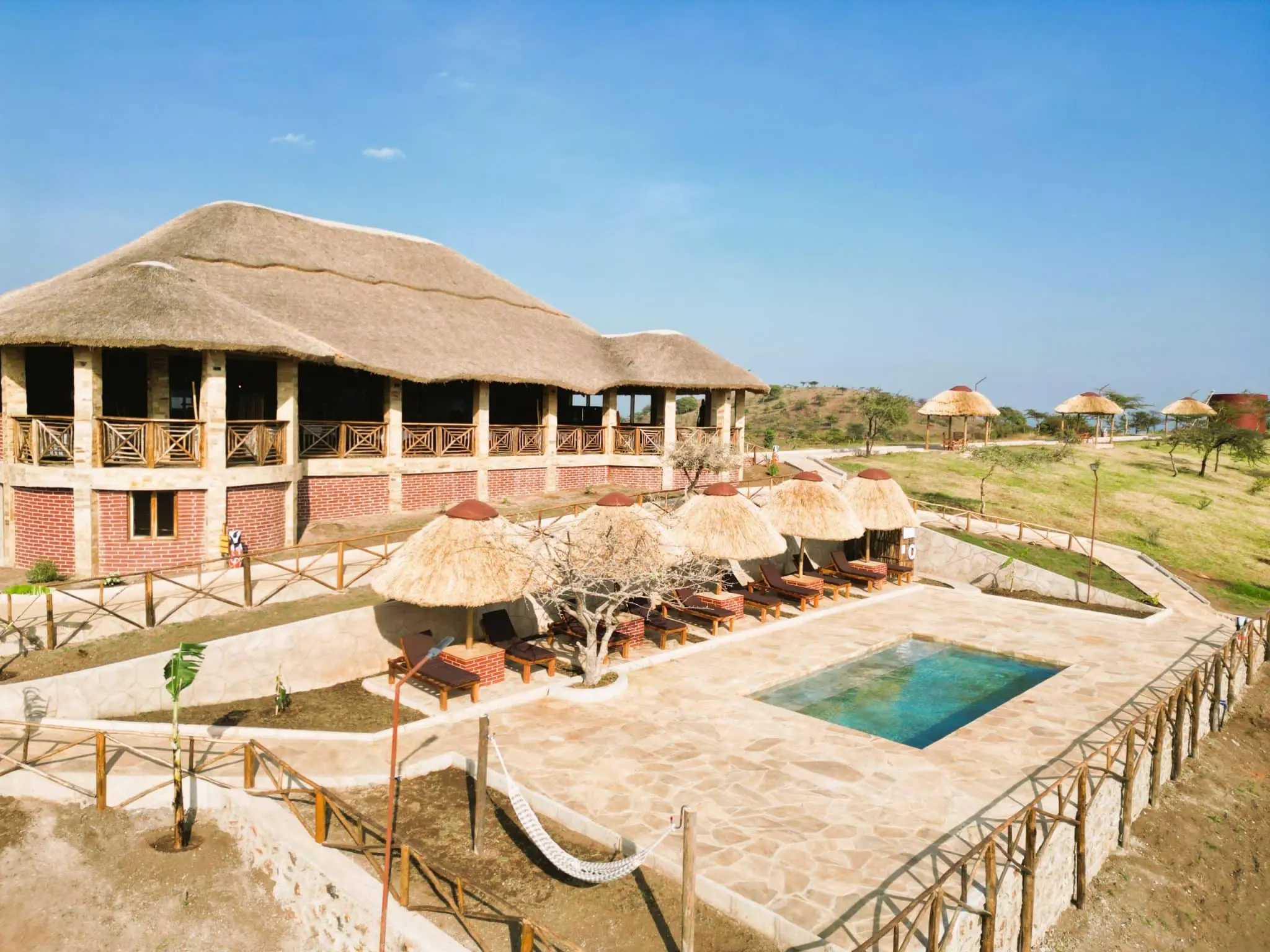
Today you can choose what you feel like doing. Sleep in, take a refreshing dip in the pool, read a book overlooking the lake or take an optional excursion to get to know the area even better. Go mountain biking in the area or get to know Mto wa Mbu with a TukTuk. You can arrange all this locally and ask your private driver for great tips. This night you will stay at Africa Safari Karatu, which is located on top of a hill. This gives you a unique 180 degree view over the hills of Karatu, from your own balcony.
Day 6 | Game drive in the Ngorongoro Crater
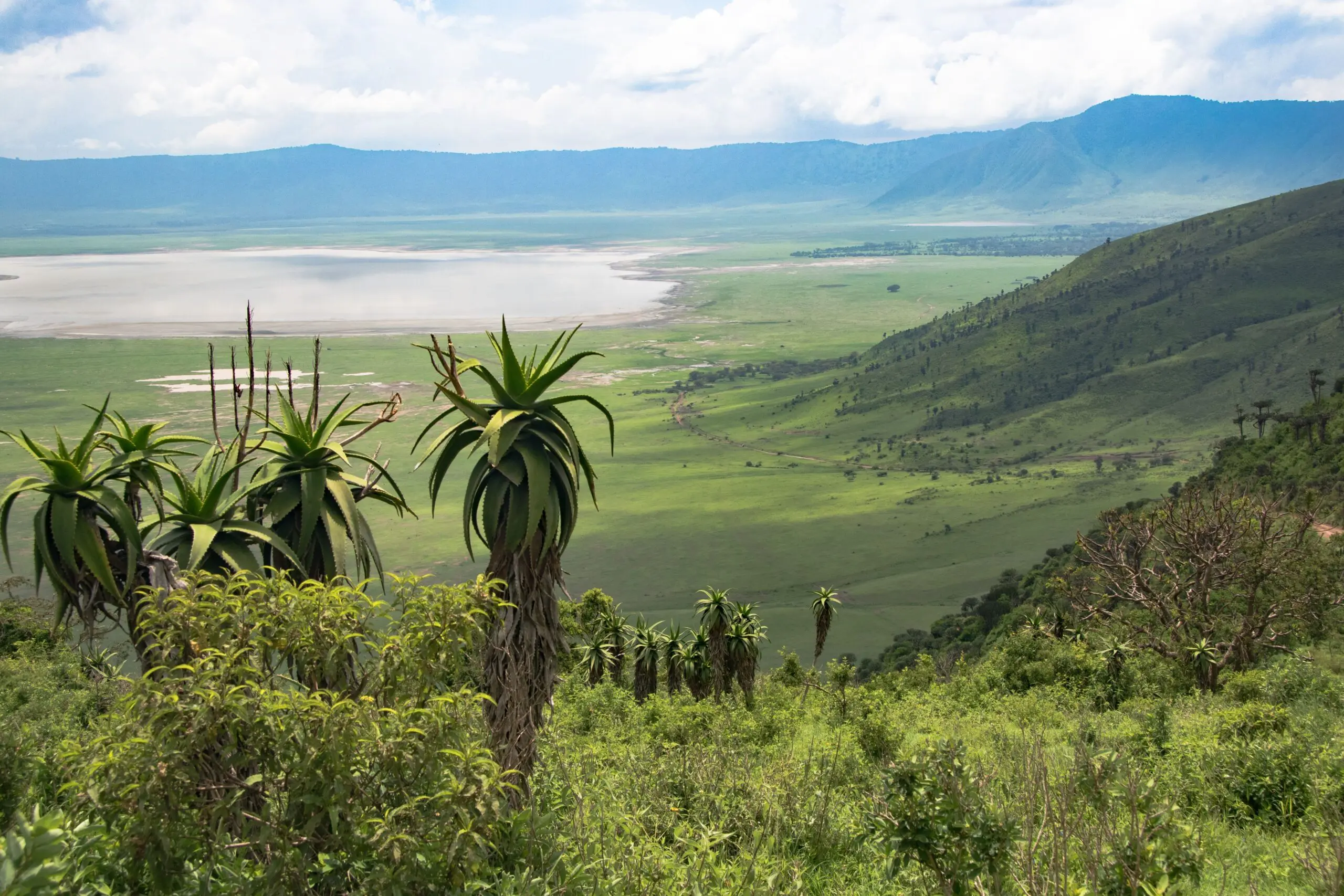
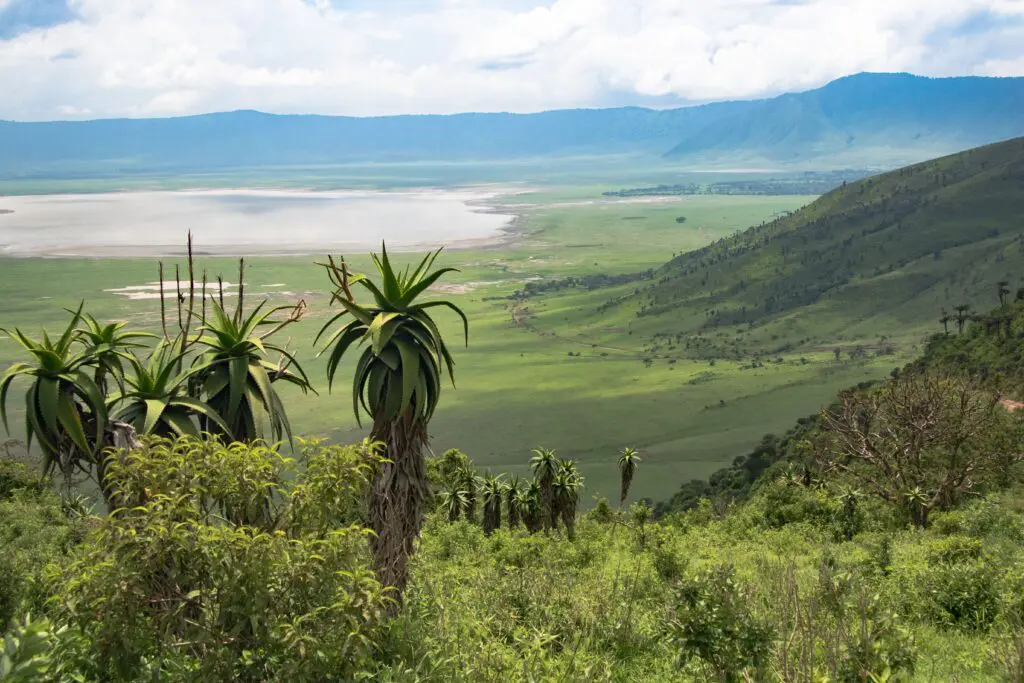
Early alarm clock today, because after breakfast you will drive on to the Ngorongoro conservation area to arrive at the Ngorongoro Crater. Before entering the crater, you will first have a chance to view the crater from the rim. A breathtaking view that bodes well for the game drive down there. Then descend into the fascinating Ngorongoro Crater, a UNESCO World Heritage Site that houses an amazing concentration of animals in its sunken caldera. The entire Big Five is present here, with the Black Rhino in particular. Feast your eyes, because before you know it you will be driving up the crater rim and leaving this natural spectacle to continue your way to Africa Safari South Serengeti.
Day 7 | Endless plains of Serengeti National Park
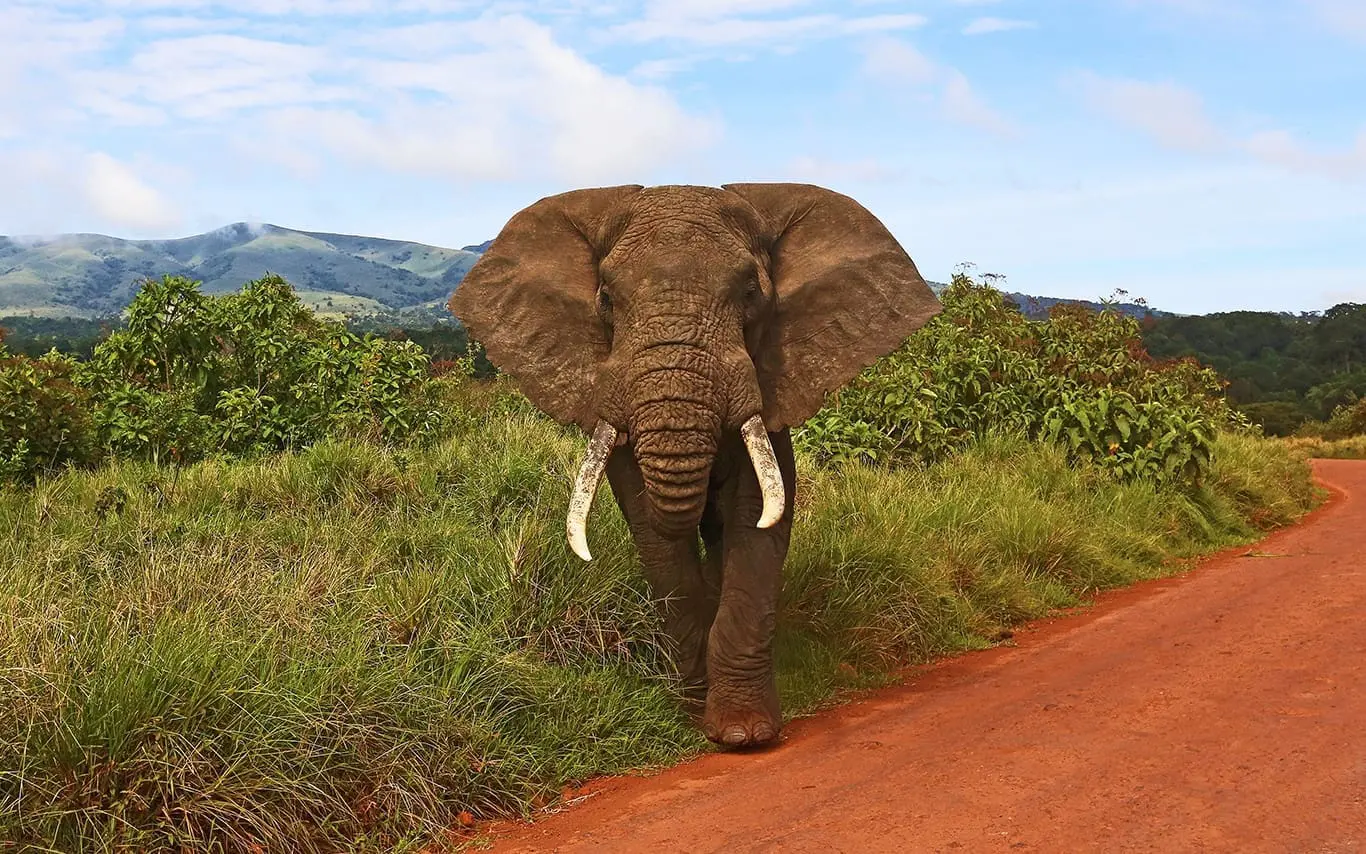
You slept in the middle of nature, so you probably woke up to birdsong and sounds in the area. With luck, you might even see a group of elephants passing by your tent, a true introduction to the wilderness of northern Tanzania. Today you continue your journey to the iconic Serengeti National Park, a land of boundless horizons and the famous Great Migration. Here you can watch the impressive migration of wild animals as they search for food. After spending a full day in this nature park, you will reach Africa Safari Serengeti Ikoma. This property borders Serengeti NP and has a garden full of wildlife, so the chances of seeing wildlife from your tent are high.
Day 8 | Walking safari during sunset and a night game drive
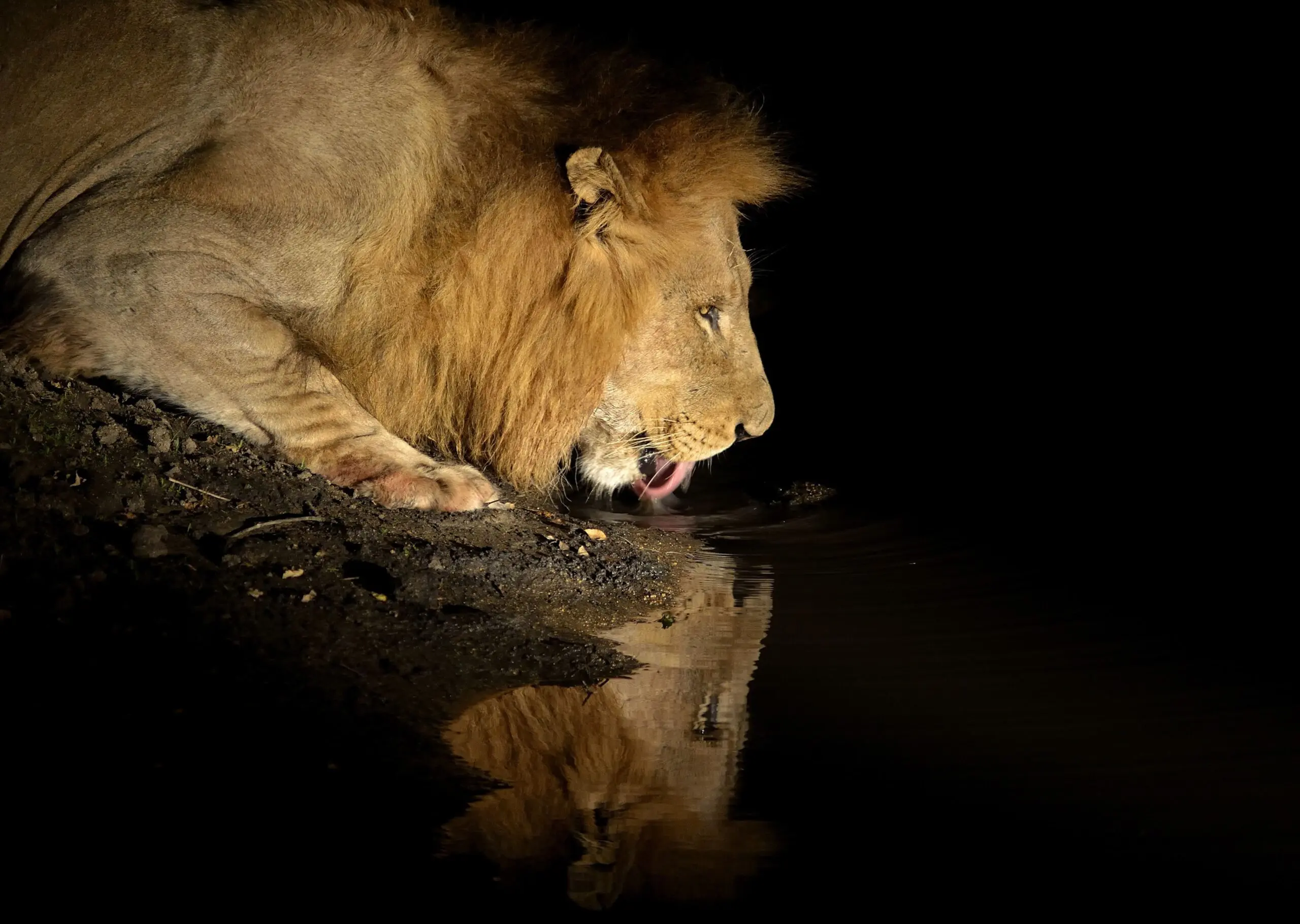
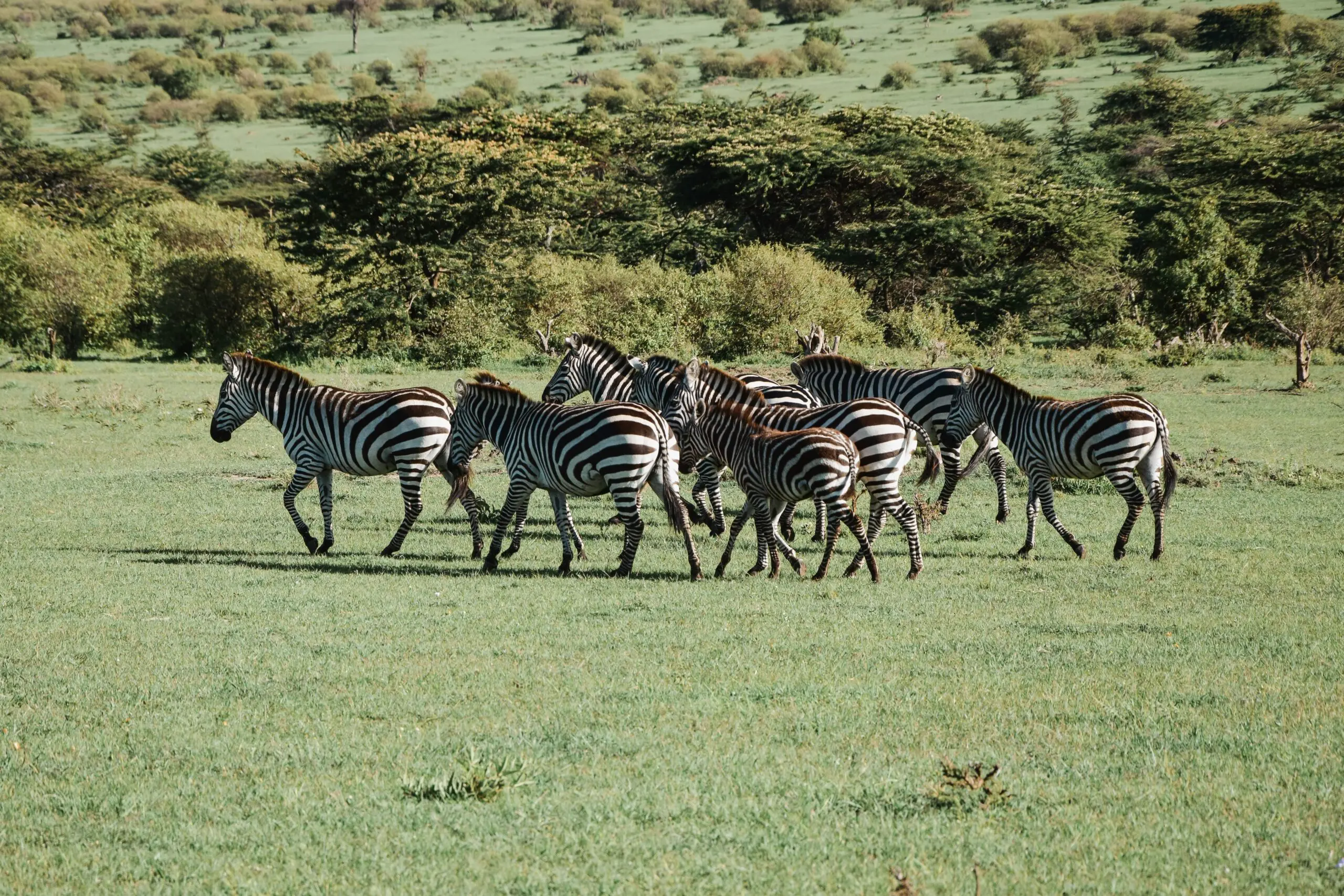
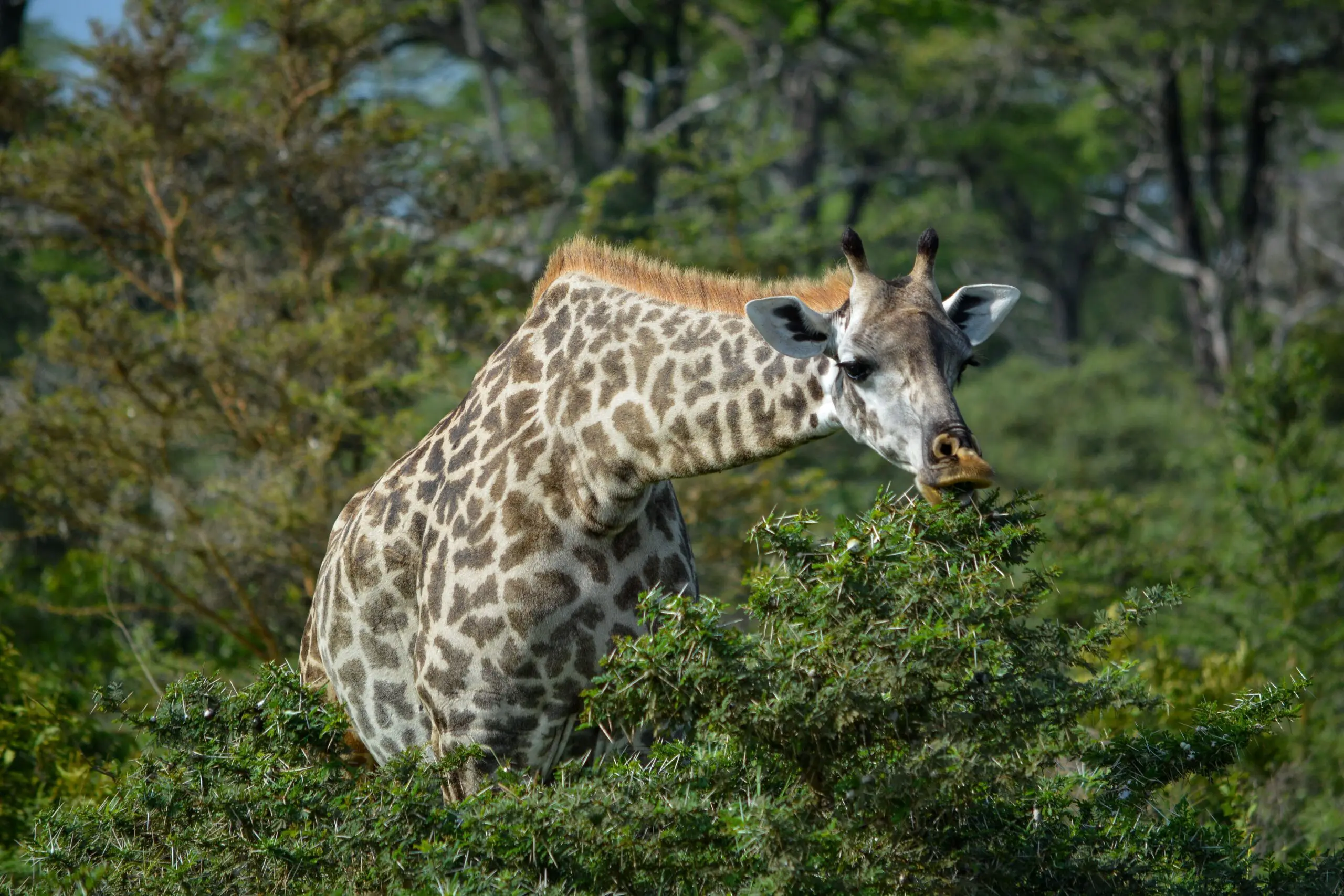
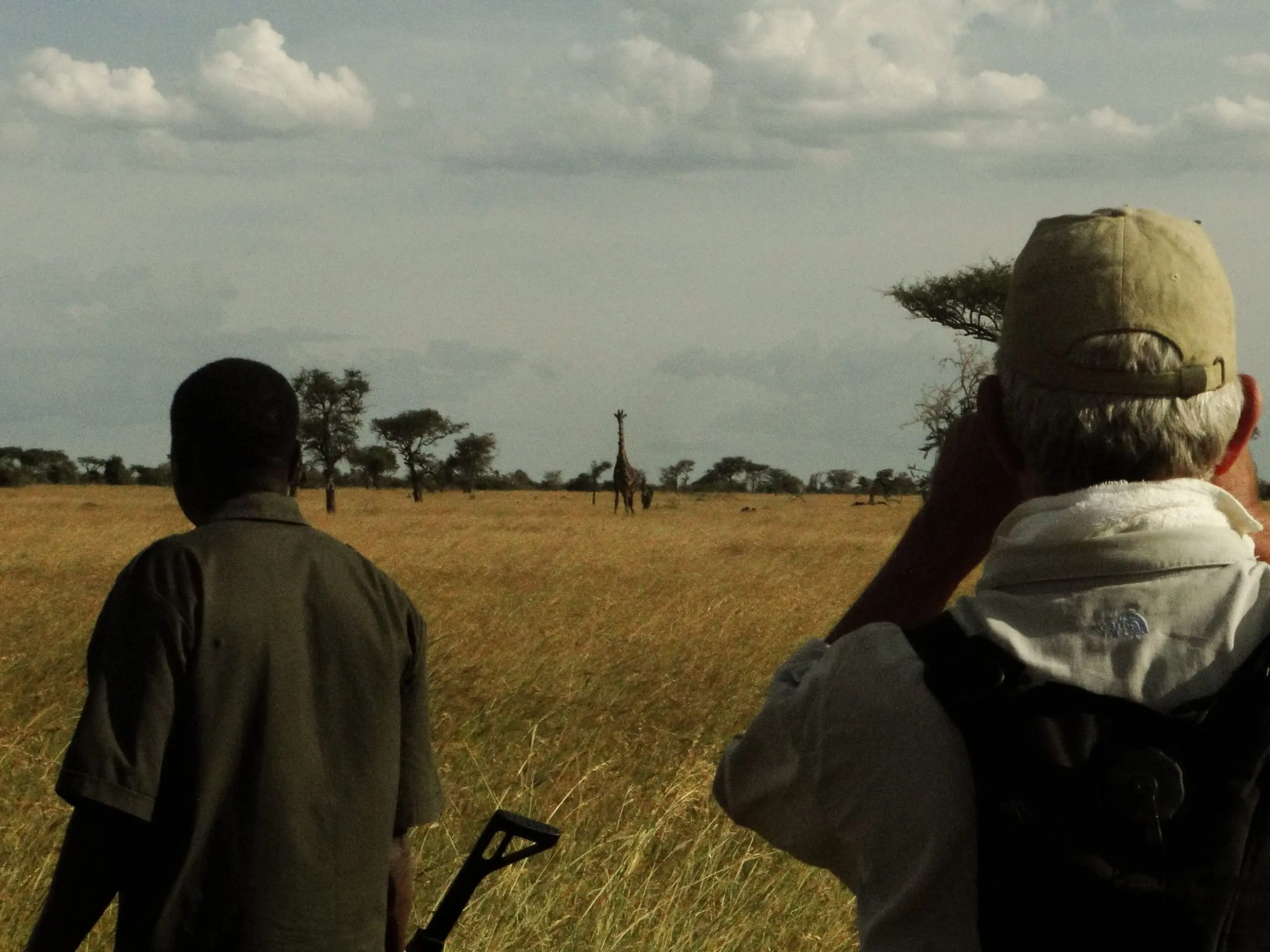
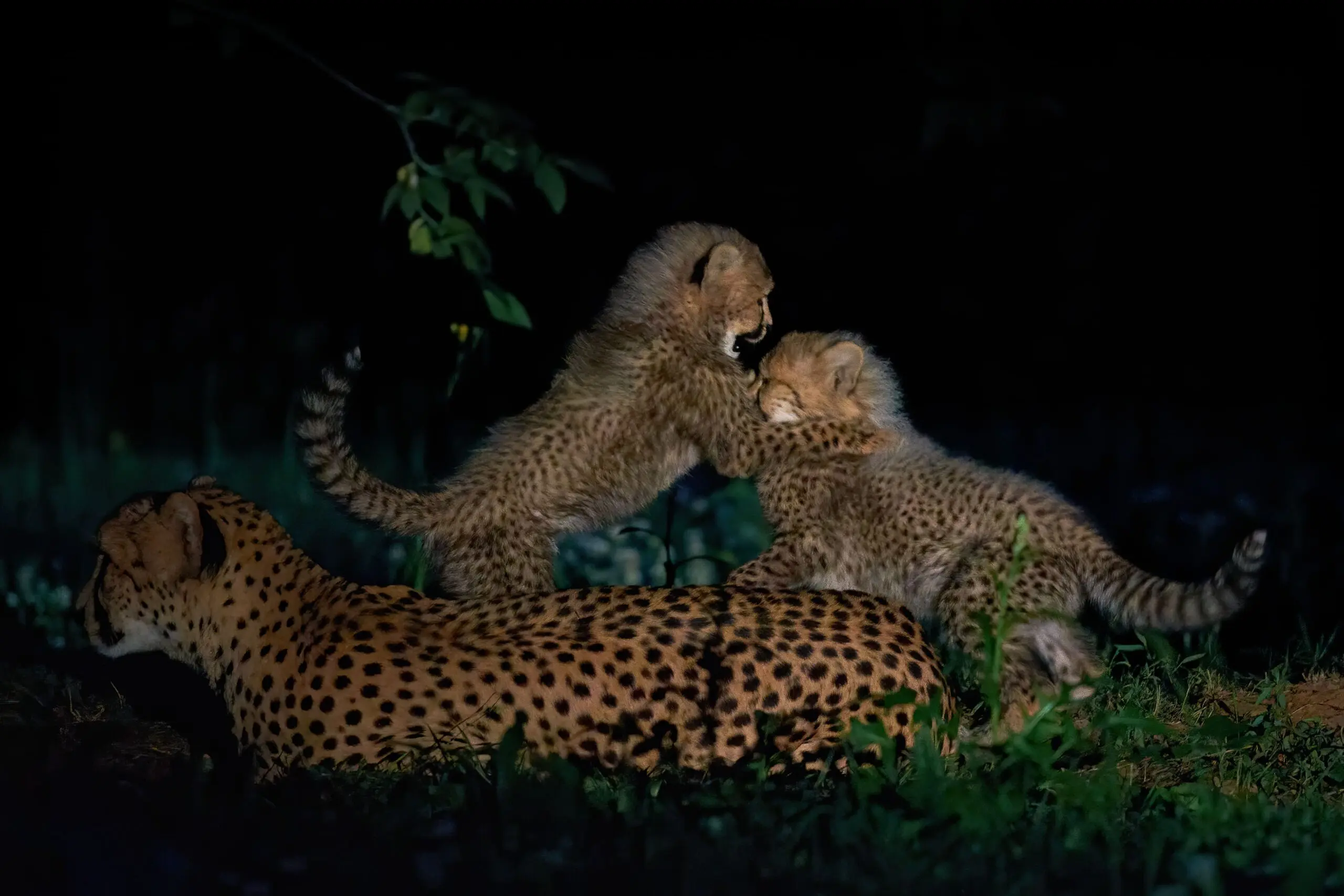
No need to set an alarm for an early game drive or road trip today. Enjoy the morning on your veranda with stunning views. Keep your camera handy as you may unexpectedly see giraffes and large groups of zebras and wildebeest passing by. In the afternoon, take a sunset walking safari in Ikona, an enchanting experience that brings you closer to the wilderness. As the sun sets, you walk gently through the pristine nature, listening to the sounds of the savannah. In the evening, you will go on a night game drive in Ikona with floodlights to discover the nocturnal activities of wild animals. This adventure offers the chance to spot predators such as lions and leopards and experience the fascinating world of night hunters, creating unforgettable memories.
Day 9 | From central to northern Serengeti National Park
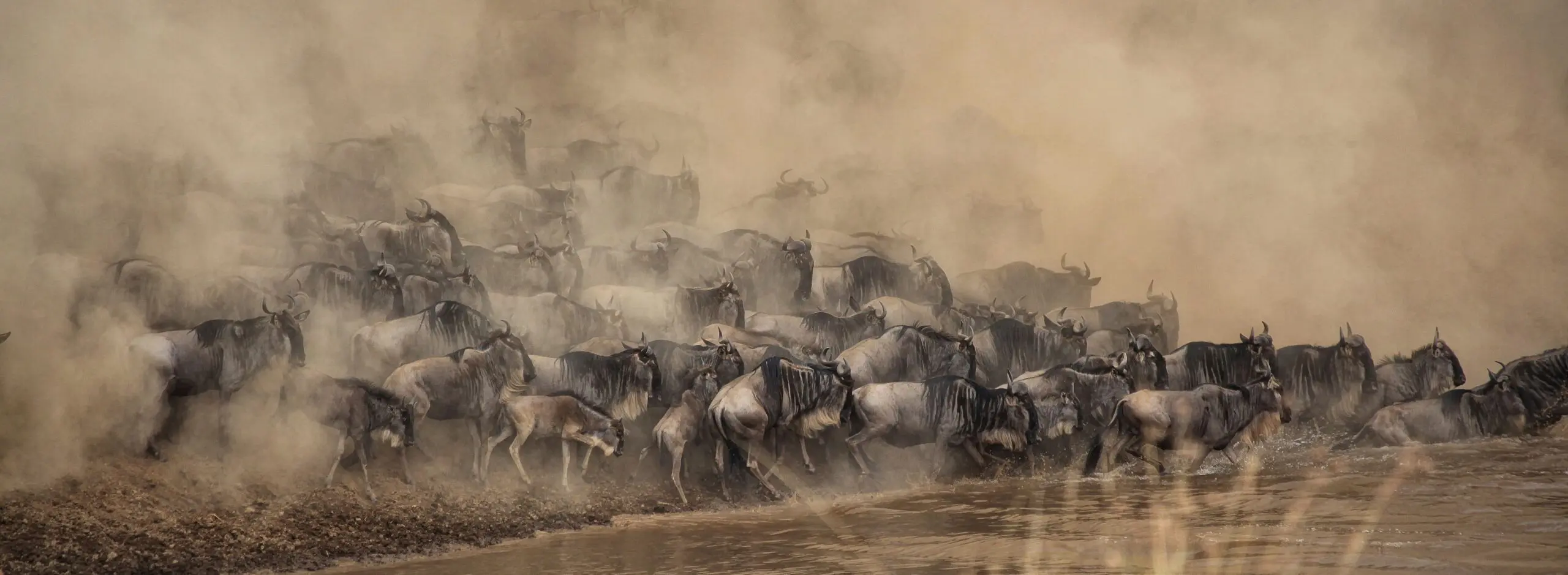
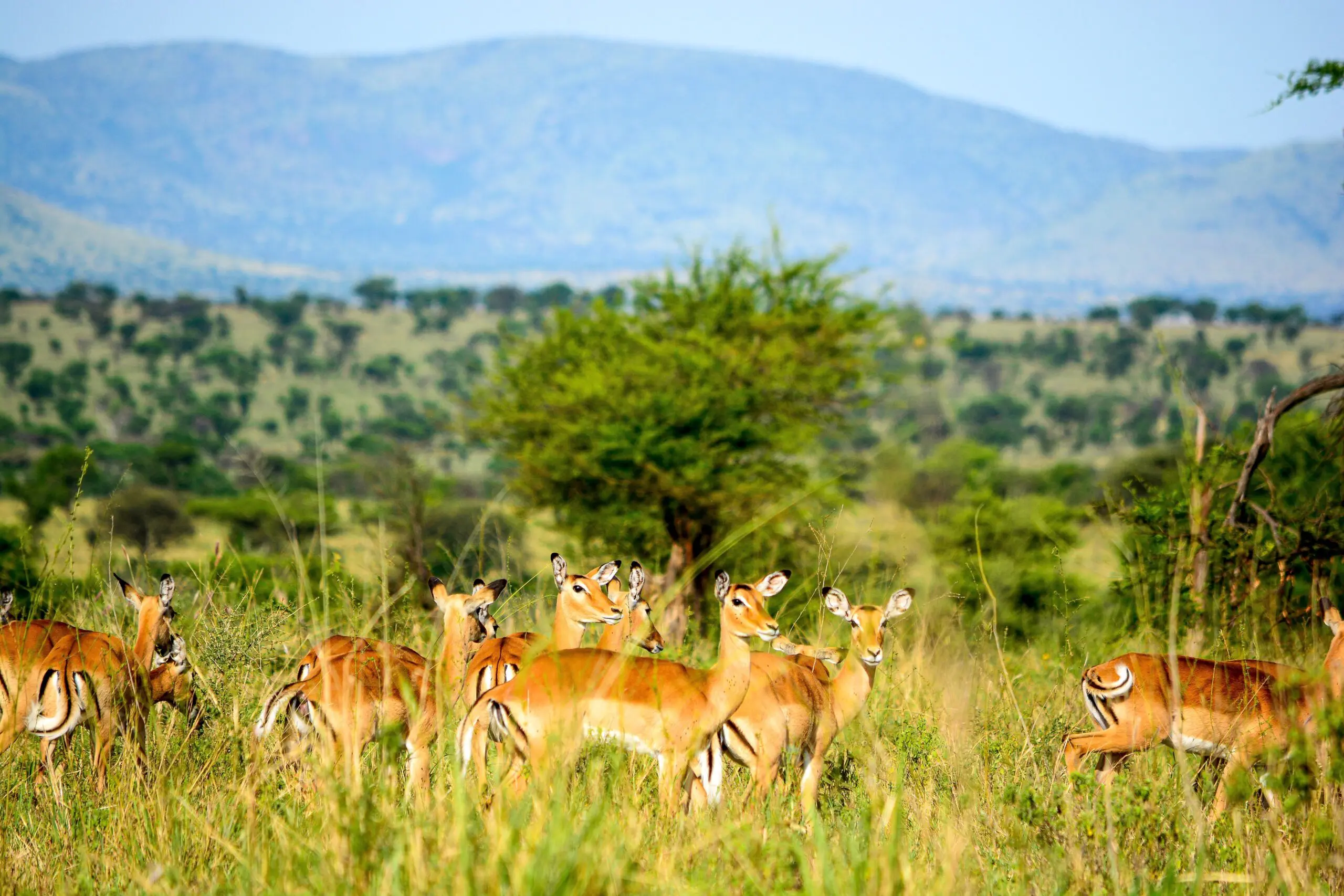
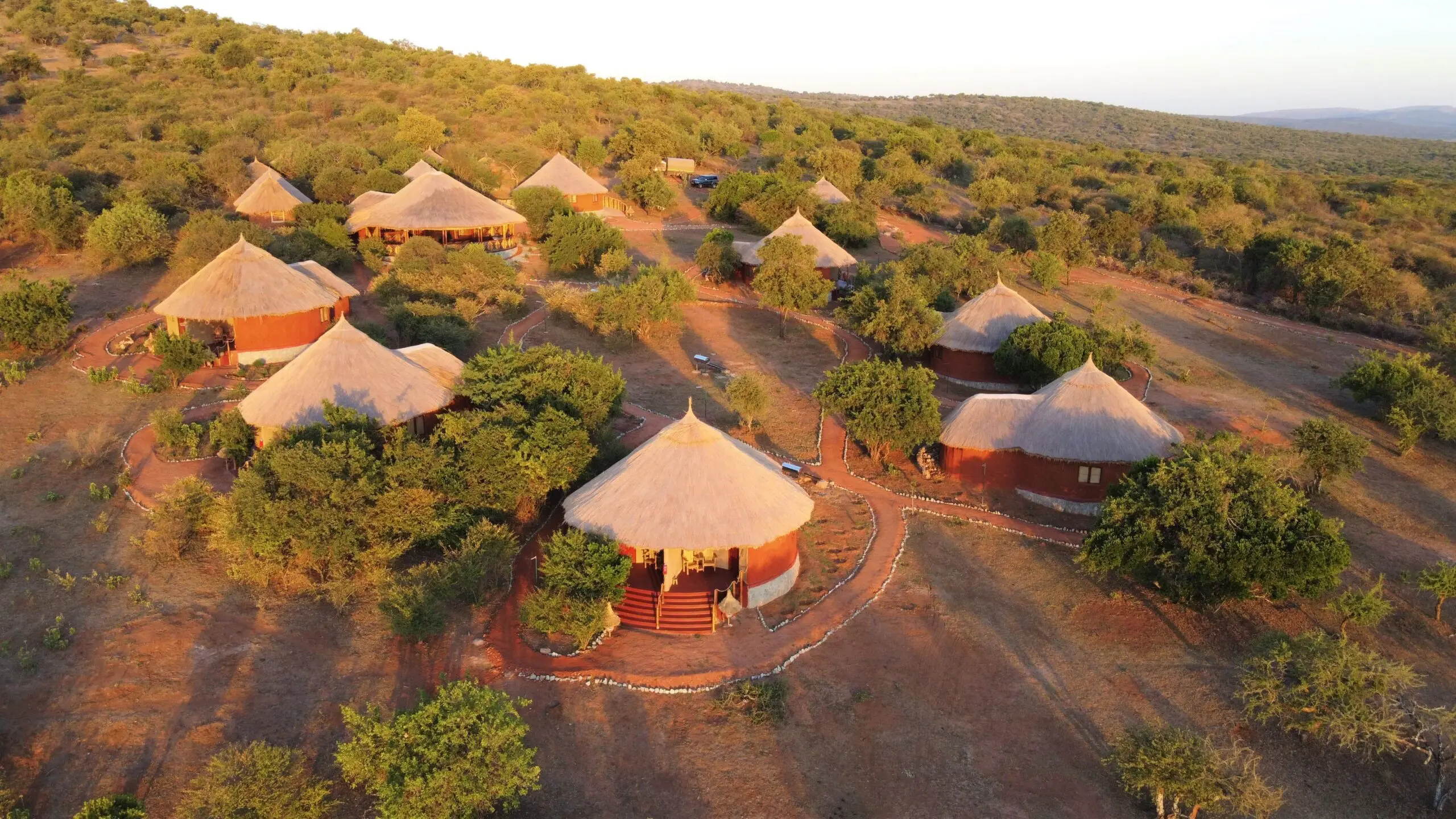
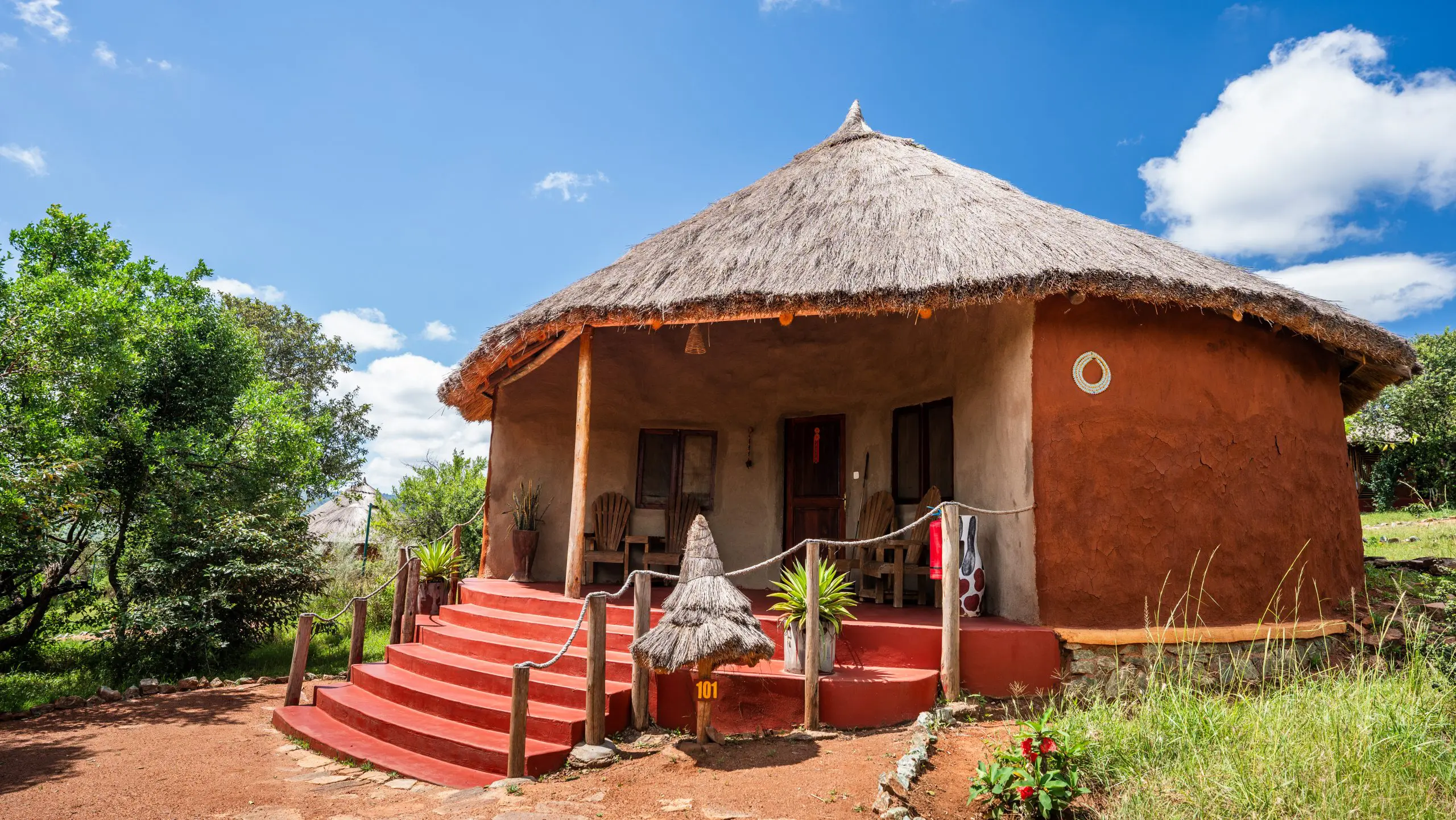
After a good night's sleep, you will go on another safari in the Serengeti National Park with your private driver, from central to northern Serengeti. You will drive through diverse landscapes and spot countless wildlife. Departing from the heart of the Serengeti, you'll traverse vast savannahs where wildebeest and zebra roam freely. As you head north, the terrain gradually changes, giving way to riverine forests and rolling hills. On this trip you can witness the impressive Great Migration, including river crossings and dramatic interactions between predators and prey. This is a safari experience that reveals the magnificent cycle of nature and the untamed beauty of the Serengeti. An intimate encounter with nature awaits you in the northern Serengeti, where untouched wilderness and remote places reveal the secrets of the African landscape. Tonight you will spend the night in a traditional Maasai Boma bungalow, which offers all the comforts inside for a relaxing vacation.
Day 10 | Game drive in Pololeti Game Reserve
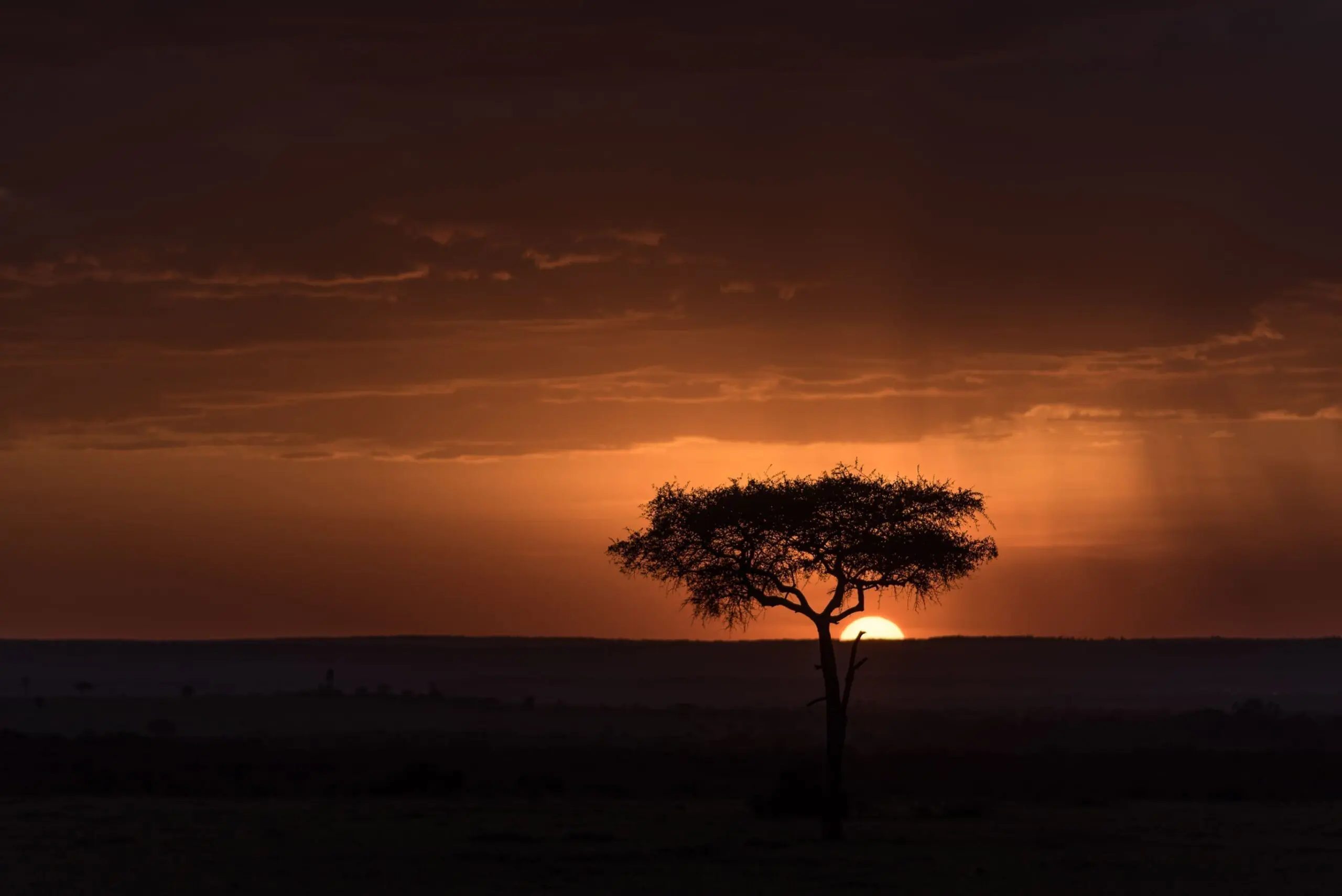
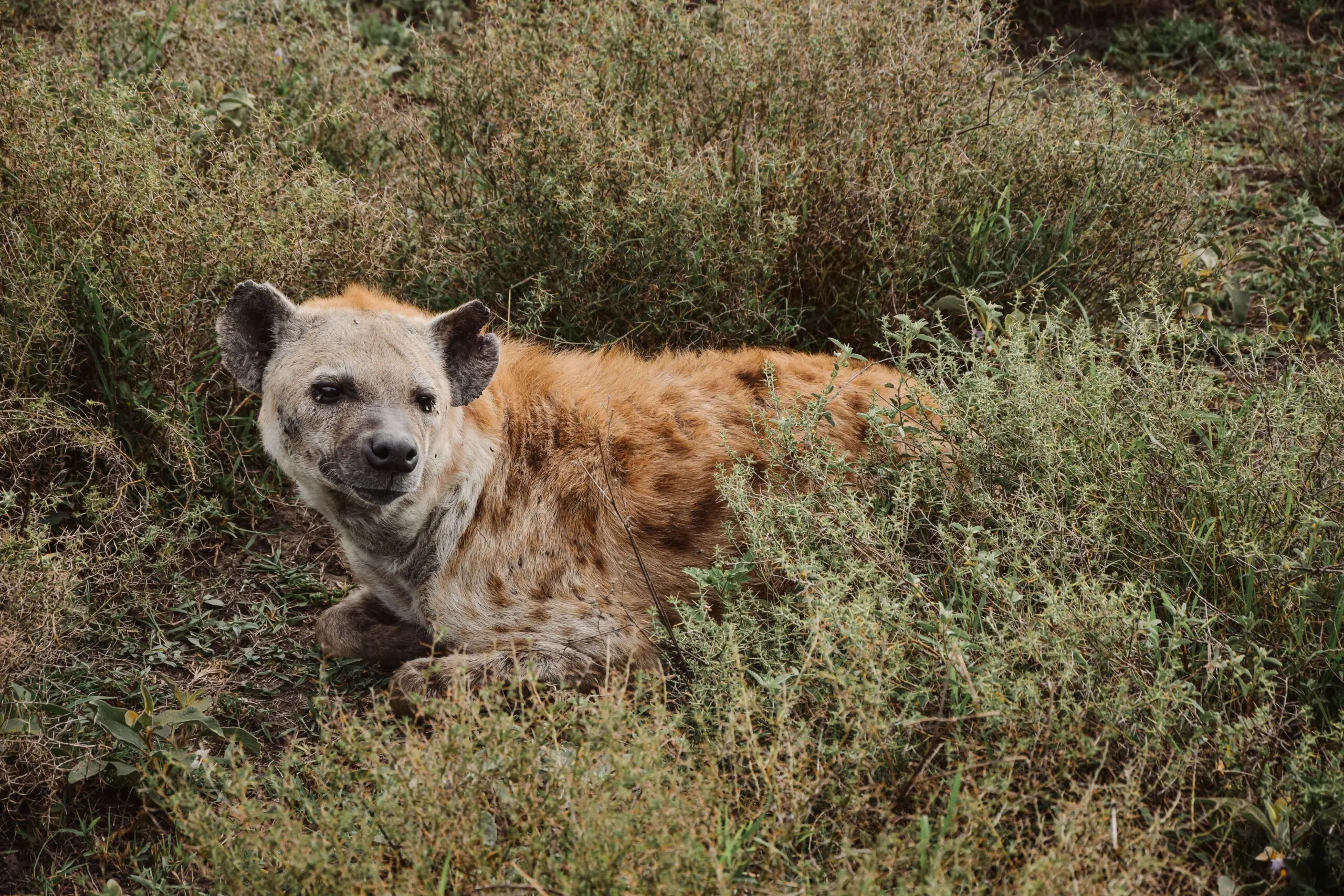
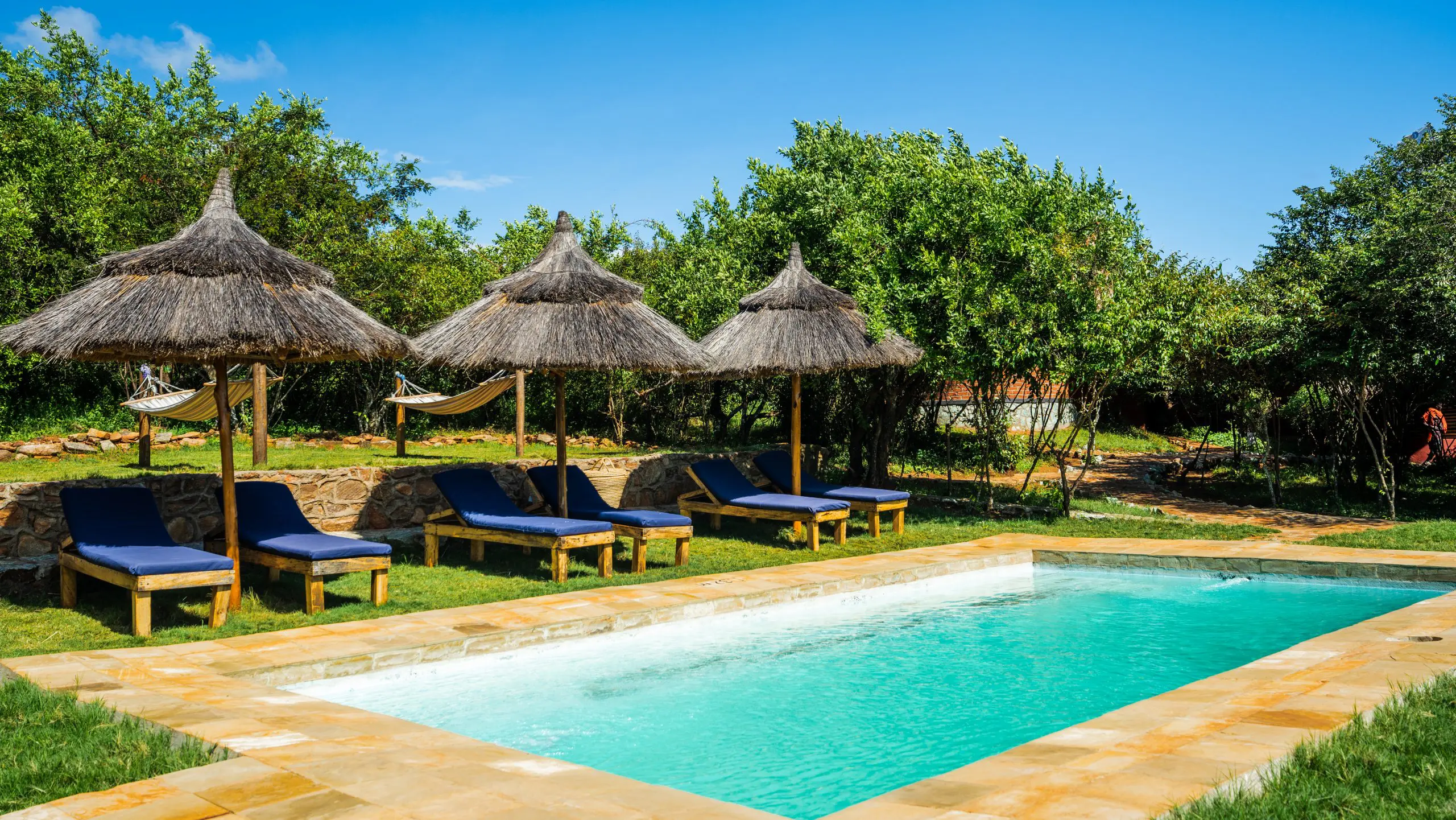
The sun rises early and watching it from the pool is an absolute must. The sun colors the entire hilly landscape golden yellow as the Maasai men pass by with their cows and goats. After a good breakfast, overlooking the Kenyan border, it's time for a game drive in Pololeti Game Reserve. Explore this lesser-known and hidden gem, a haven for those seeking a more exclusive safari experience. Traverse the hidden trails and discover the lesser-known but equally fascinating facets of Tanzanian wildlife. At the end of the day, return to Africa Safari Maasai Boma for another night in the traditional bungalow.
Day 11 | Return to central Serengeti National Park
Up early, as today you travel back to central Serengeti. You'll start in the northern reaches of the Serengeti, where you'll encounter a fascinating array of wildlife, from the iconic big cats like lions and leopards to huge herds of wildebeest and zebra. The journey south reveals the Seronera Valley in the central Serengeti. The journey south reveals the Seronera Valley in the central Serengeti, known for its abundance of wildlife year-round. Here you will see elephants, giraffes, hippos and numerous bird species. This transition showcases the incredible biodiversity that makes the Serengeti one of Africa's premier safari destinations and offers unforgettable encounters with the continent's most charismatic animals. Once you arrive at Africa Safari Serengeti Ikoma, it will feel like coming home and you will enjoy one more night of sleeping in pristine nature.
Day 12 | Domestic flight over Serengeti National Park
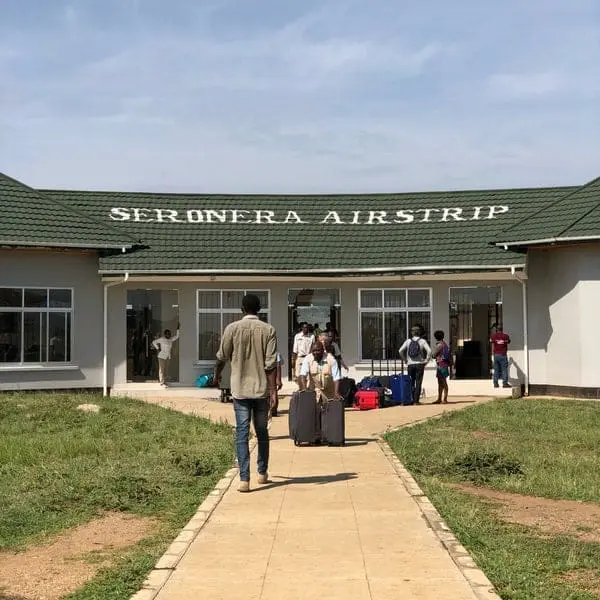
After a delicious breakfast, check out of Africa Safari Serengeti Ikoma and begin your final journey of this 12-day safari trip. From the accommodation to Seronera airstrip, you still have plenty of chances to spot wildlife. The domestic flight from Seronera airstrip to Arusha offers a quick and scenic transition from the heart of the Serengeti to the bustling city of Arusha. As the plane soars above the vast savannah and acacia-strewn landscape, you'll be treated to breathtaking aerial views of Tanzania's diverse terrain. Once you arrive at Arusha Airport, this safari trip comes to an end and you'll be a lot of fond memories and experiences richer.
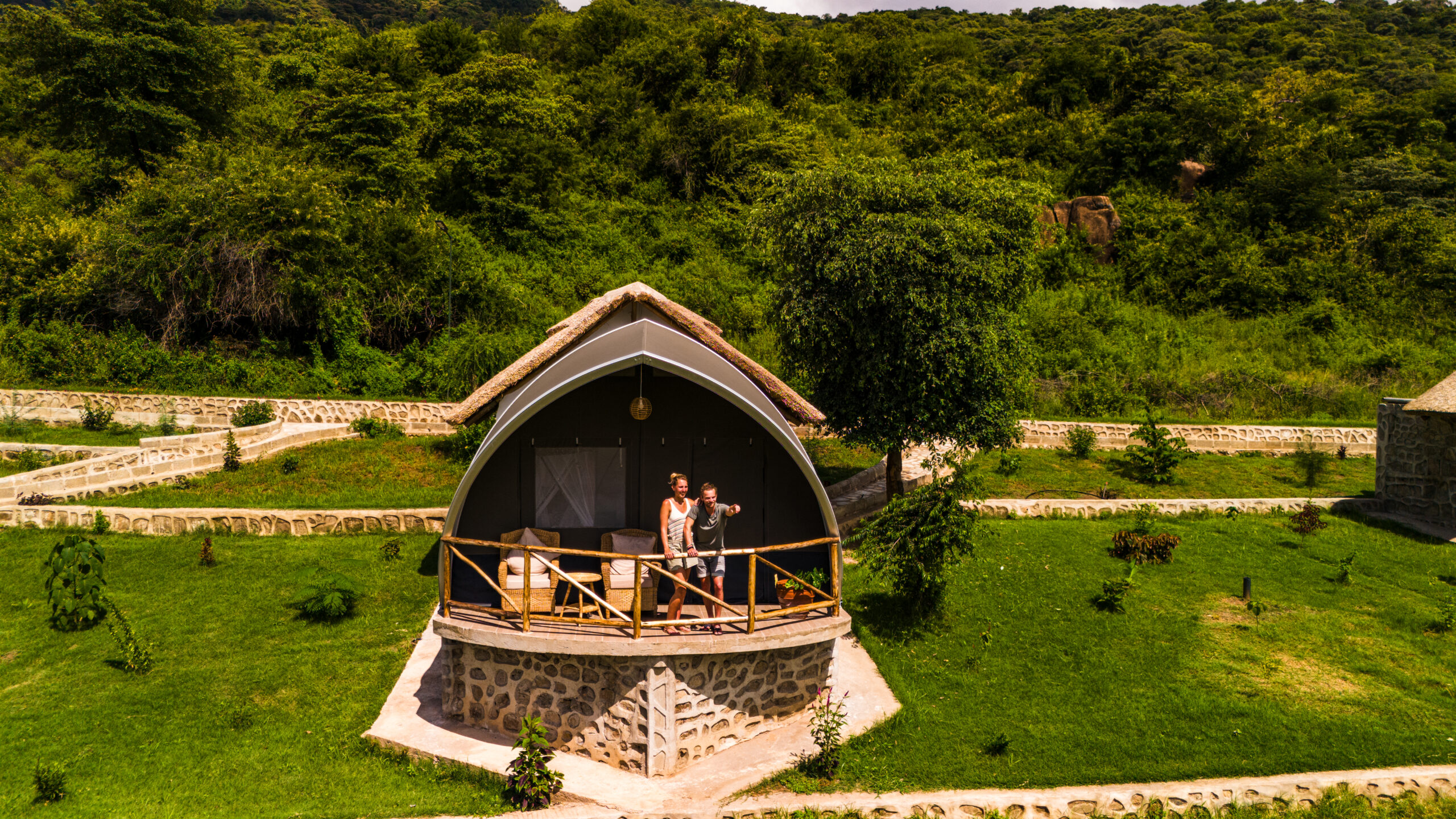
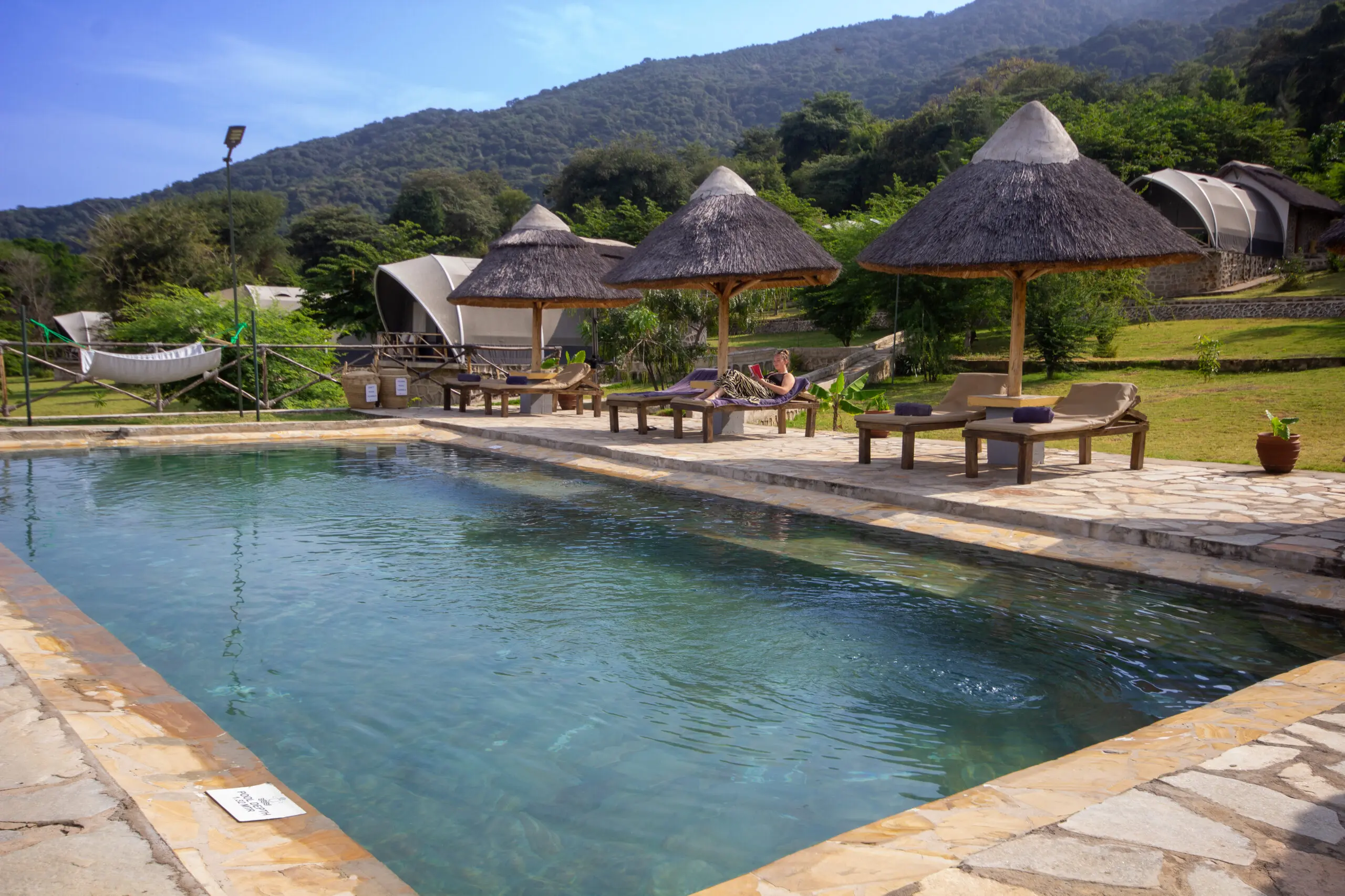
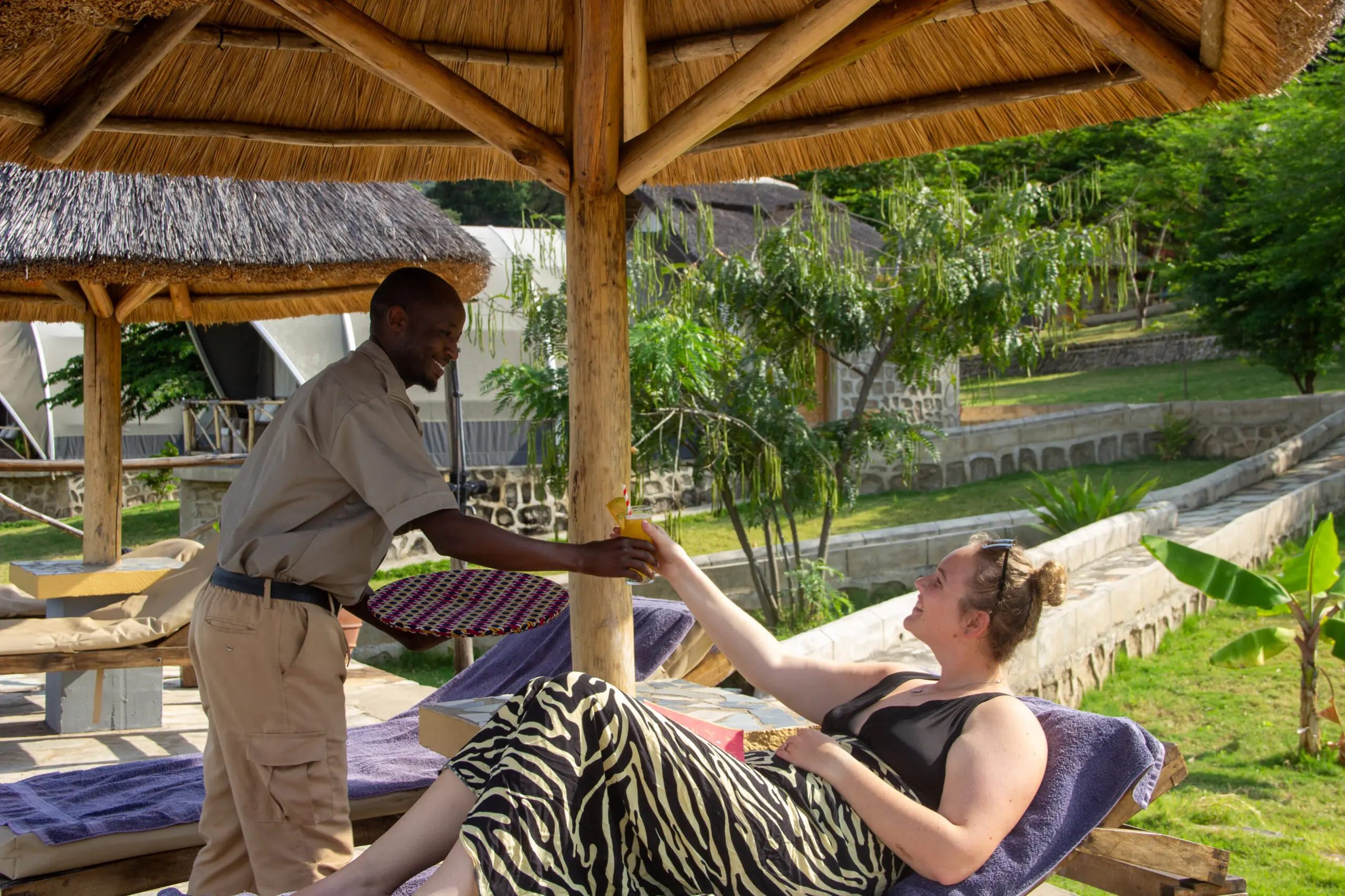
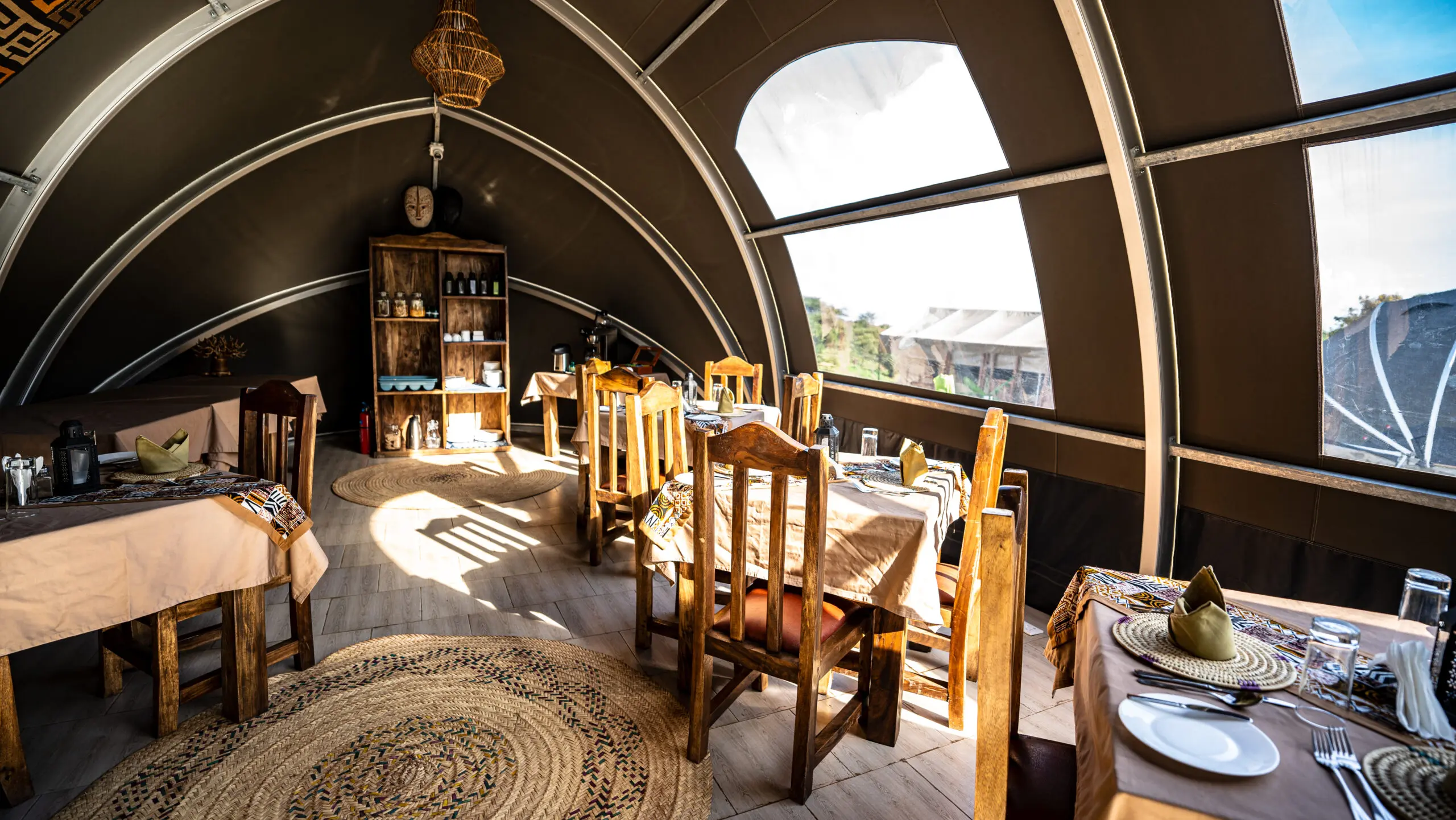
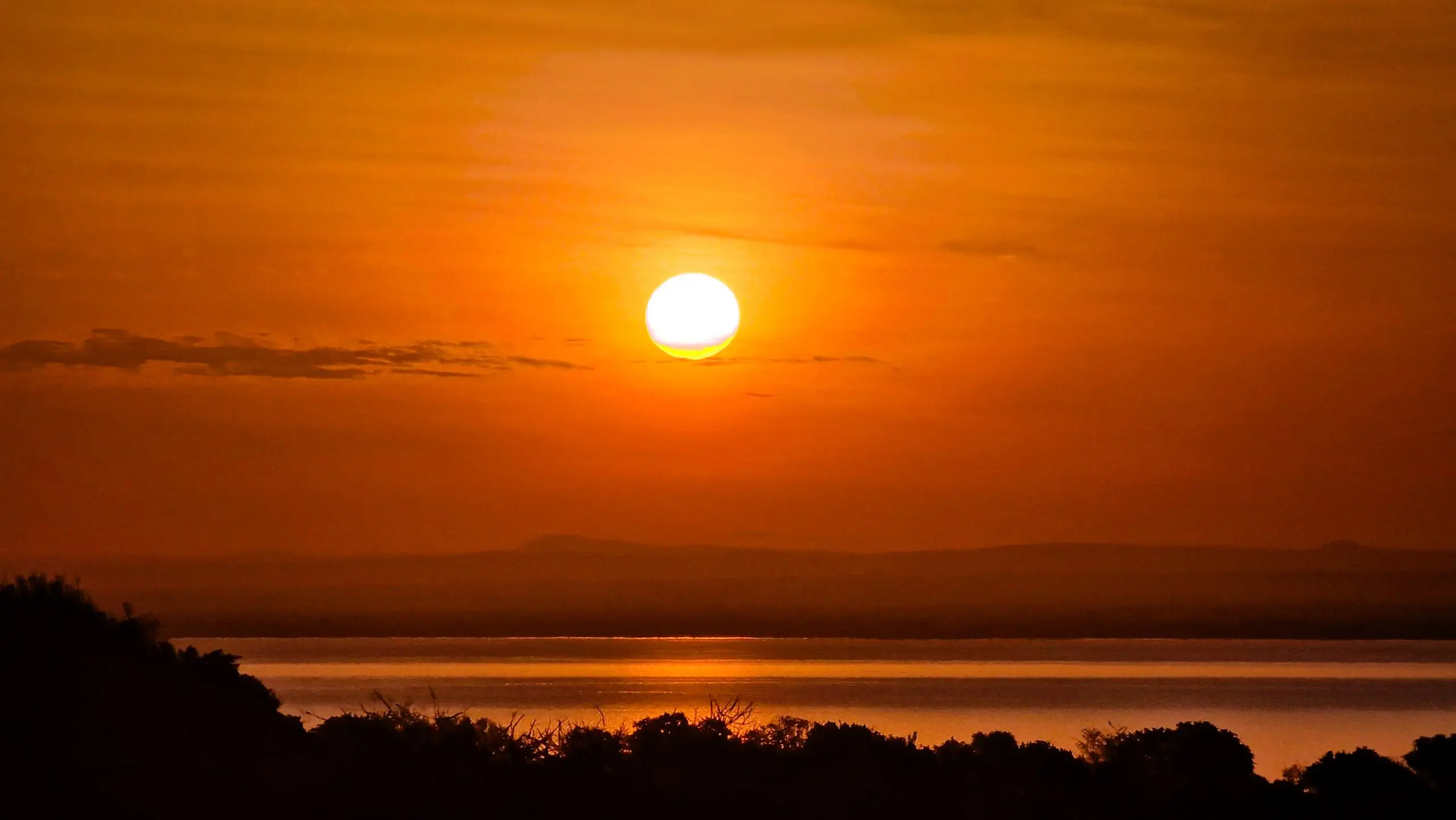
Africa Safari Rift Valley
Gets its name from the famous Rift Valley
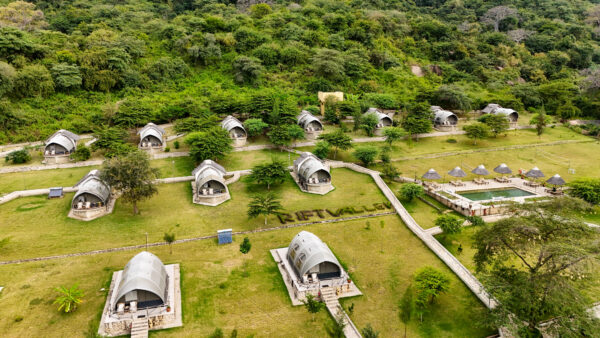
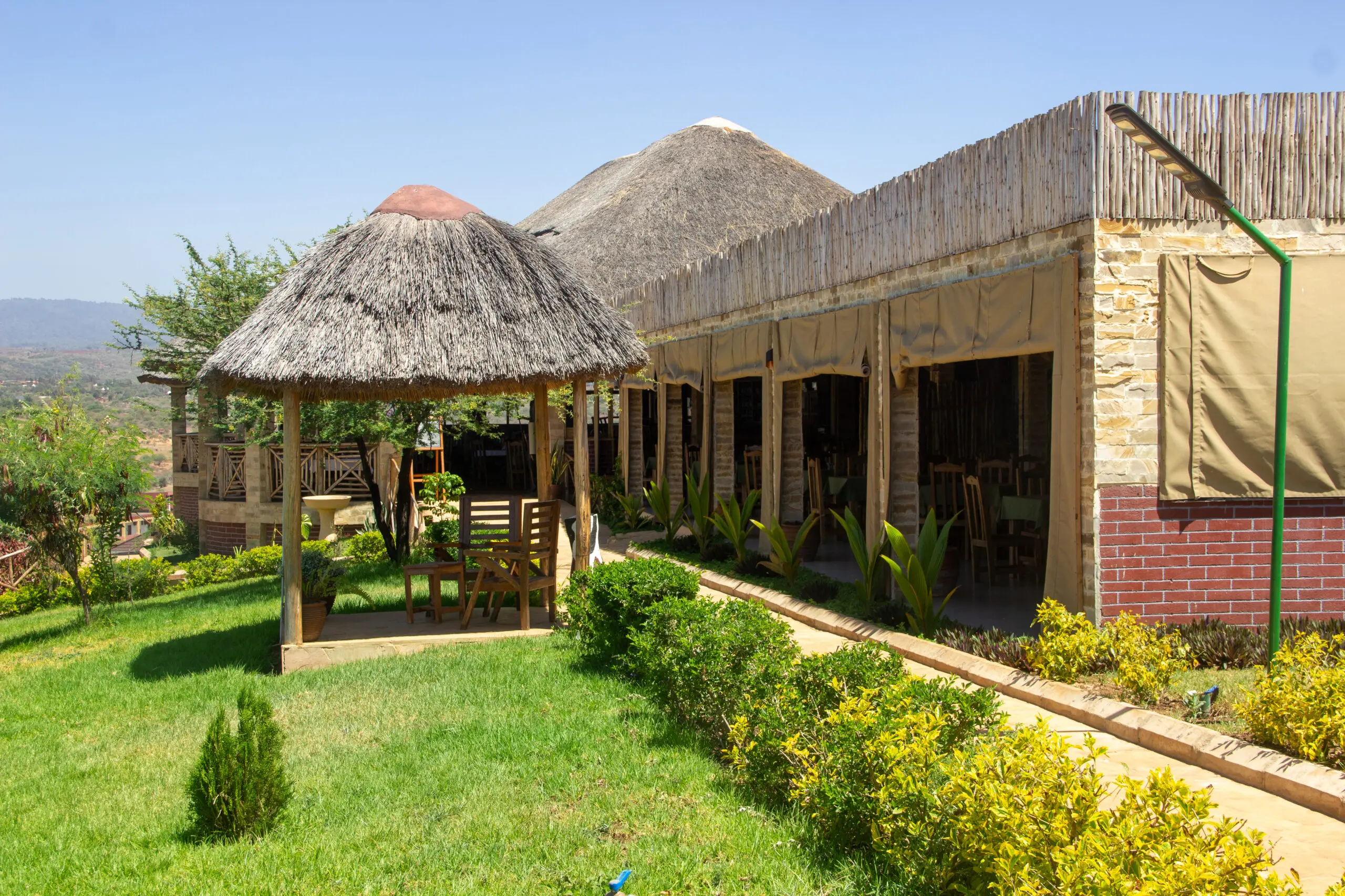
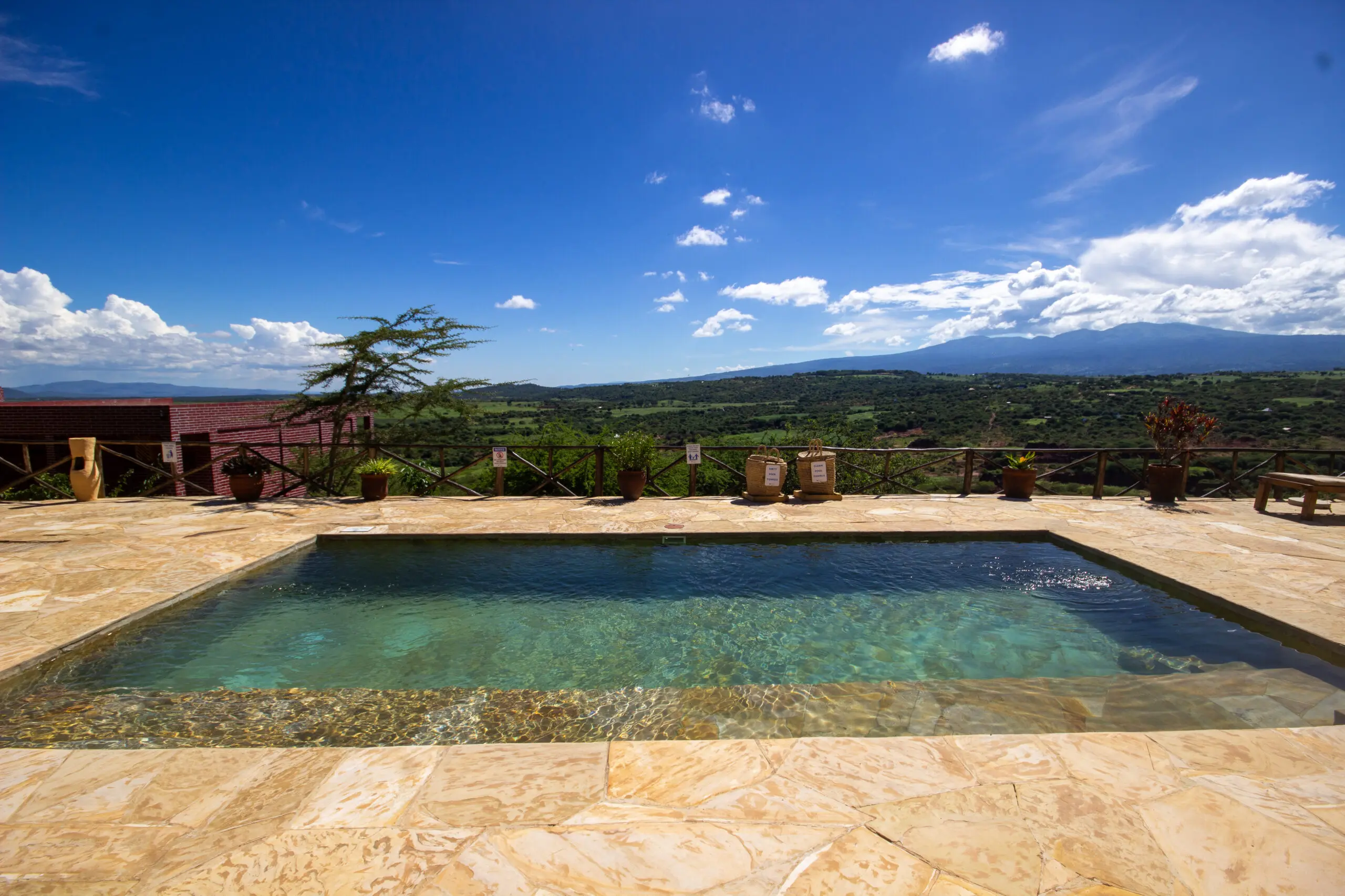
Africa Safari Rift Valley is located in the village of Mayoka, on the south side of Lake Manyara with the famous Great Rift Valley as its setting. It is the perfect location to relax before or after visiting Tanzania’s northern national parks, conveniently located between Tarangire and Lake Manyara. Africa Safari Rift Valley is off the beaten path. The pool and restaurant is embedded in the surrounding landscape and offers stunning views of the Rift Valley and Lake Manyara. The southern entrance to Lake Manyara National Park, Iyambi Gate, is a short distance away. This national park has a variety of wildlife, including the famous tree-climbing lions.
Lake Manyara National Park is a haven for hippos, giraffes, impalas and zebras. The west end of Tarangire National Park, Sangaiwe Gate, is less than an hour’s drive away. Tarangire National Park is known for its large number of picturesque baobab trees and is home to the largest population of elephants in northern Tanzania. Tanzania is the third-largest sugar producer in East Africa. Just a 30-minute drive from Africa Safari Rift Valley you will find the Manyara Sugar Factory, one of the factories that contribute to the production of sugar.
Highlights
- Breathtaking views of the Great Rift Valley
- Secluded and quiet allowing you to relax
- Eat at a good restaurant overlooking Lake Manyara
- Perfect location close to Lake Manyara National Park
- This property is open year round
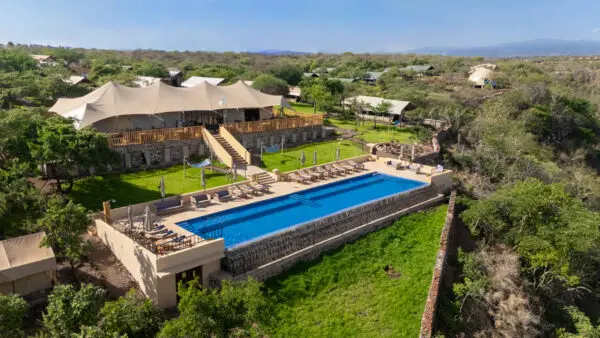
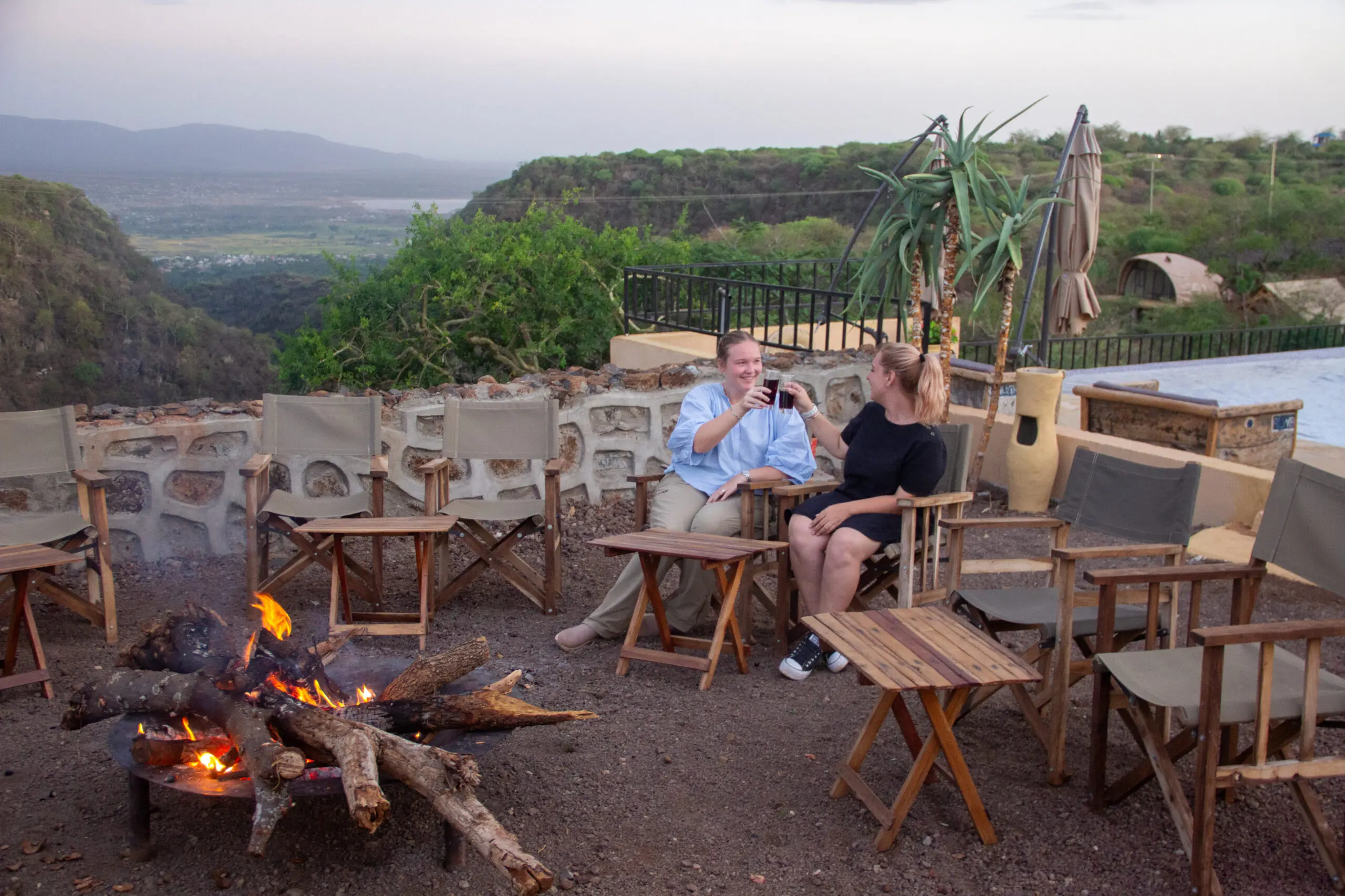
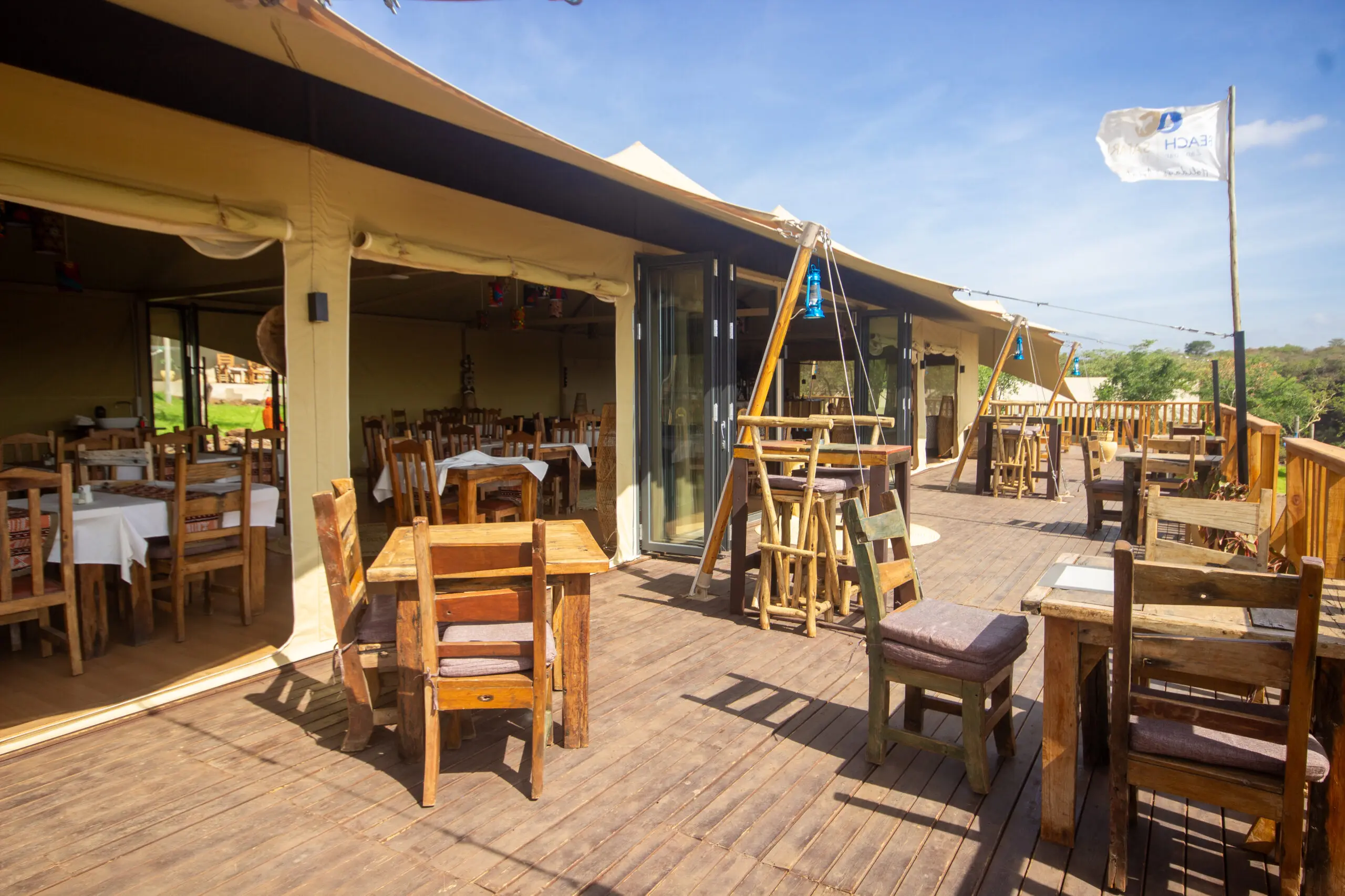
Africa Safari Manyara Escarpment
Where nature and the most beautiful views meet
Located on the outskirts of Mto wa Mbu on the back of Rift Valley, Africa Safari Manyara Escarpment offers a breathtaking stay where nature meets comfort. Wake up to the soothing sounds of a nearby river, enjoy panoramic views of the vast landscape from the public areas, and immerse yourself in an authentic safari experience just minutes from Lake Manyara National Park.
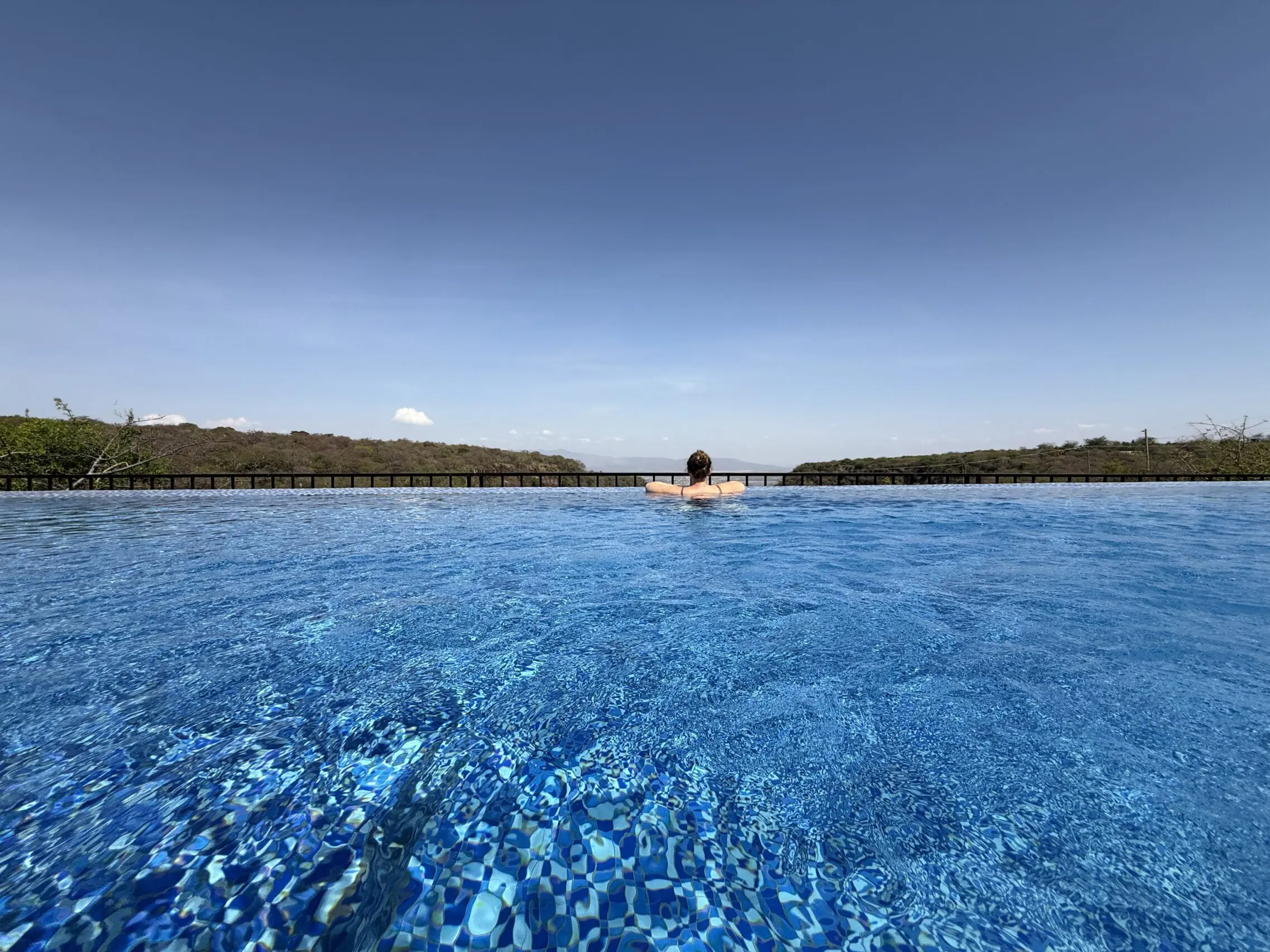
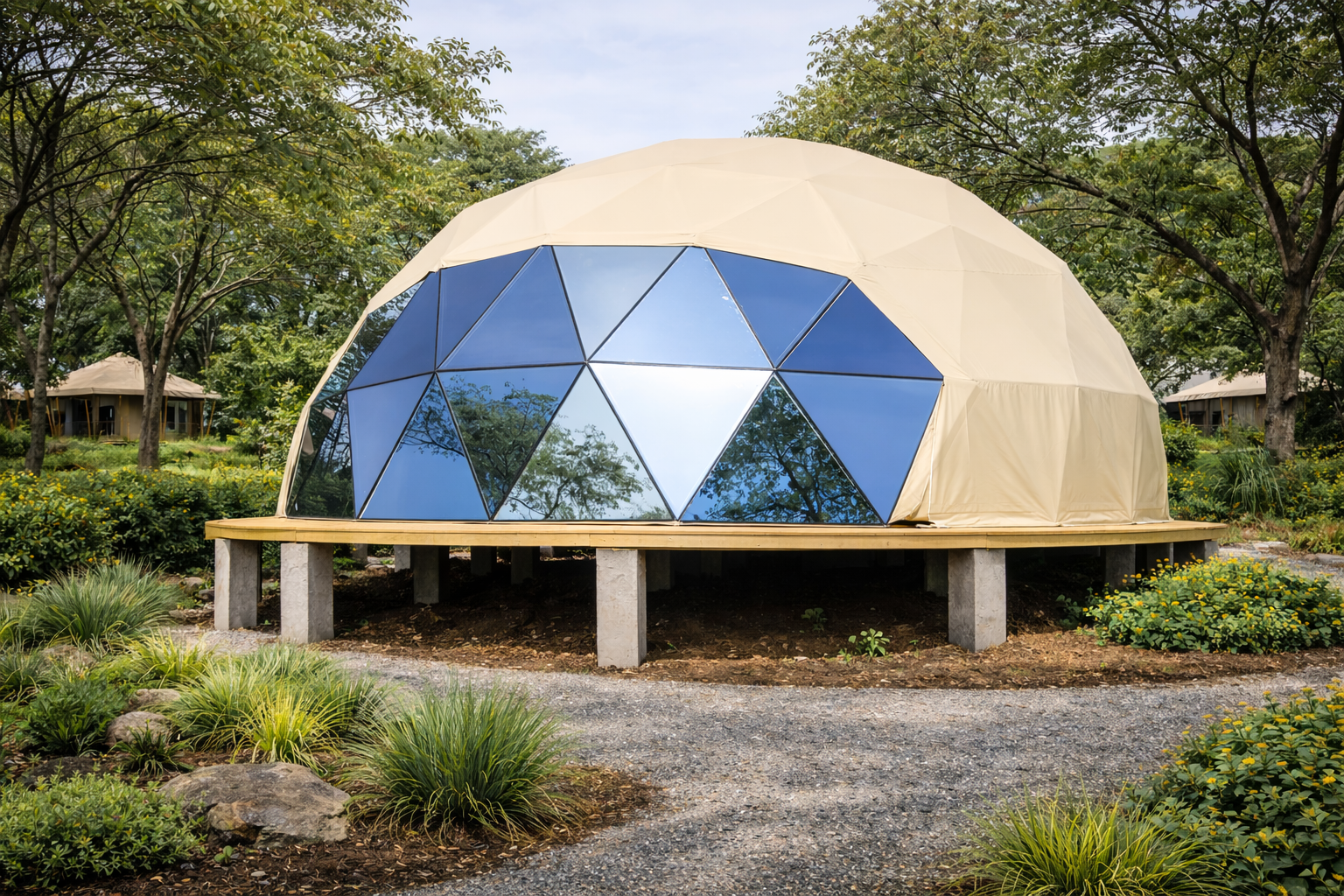
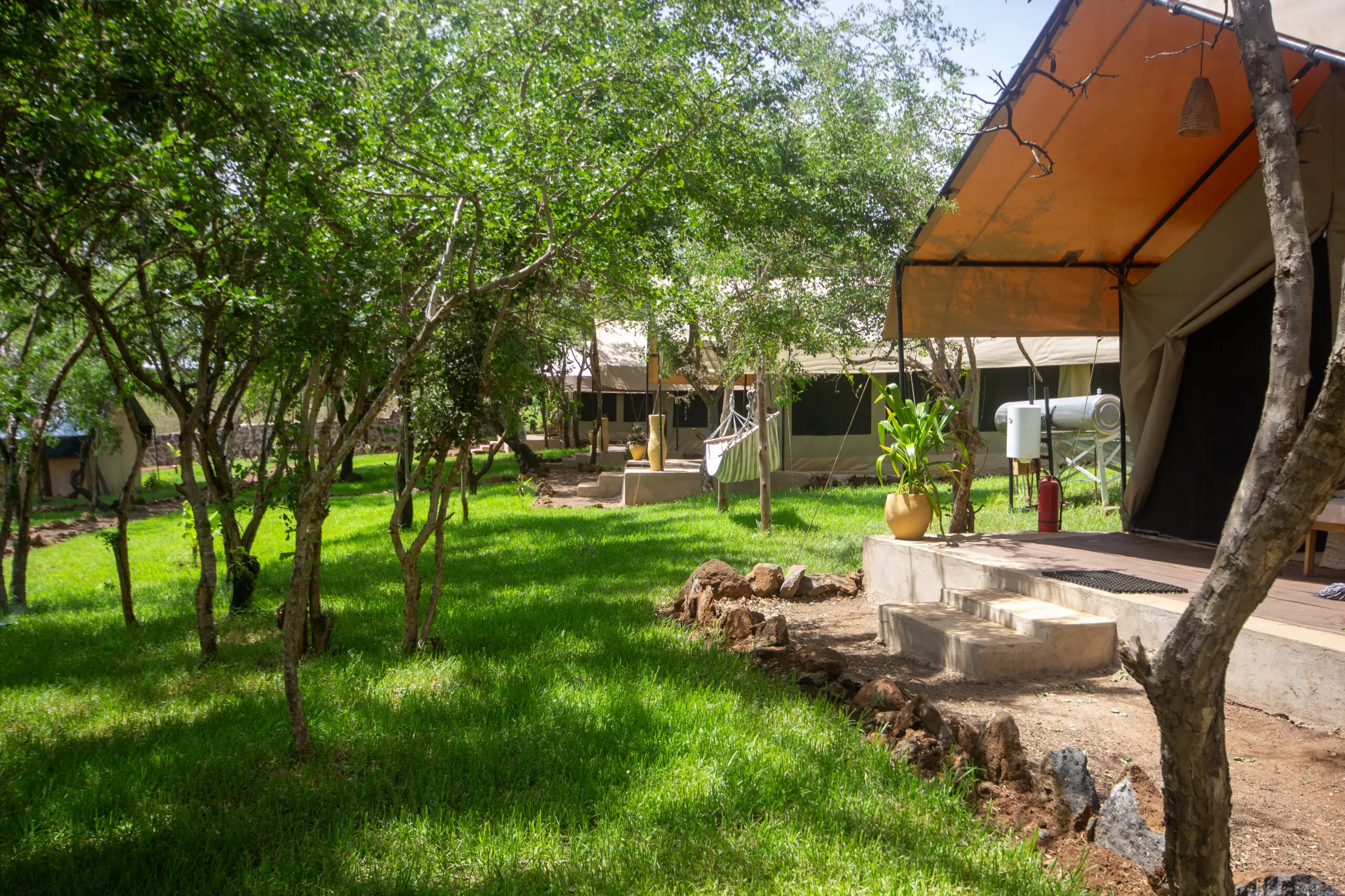
With a variety of Comfort, Luxury Glamping, Premium Glamping, and family tents, every guest is treated to a great stay. The property features a restaurant, bar, spa, boutique, fitness and infinity pool, all of which blend seamlessly into the surrounding wilderness.
Highlights
- Breathtaking accommodation on the back of Rift Valley
- Safari tents with luxurious comfort
- Near Africa’s best safari areas
- Unique location & extraordinary views
- Located between the most famous National Parks
- Ideal for birdwatchers and nature lovers
- WIFI and a pool with grandiose views
Africa Safari Karatu
Green hills and beautiful views
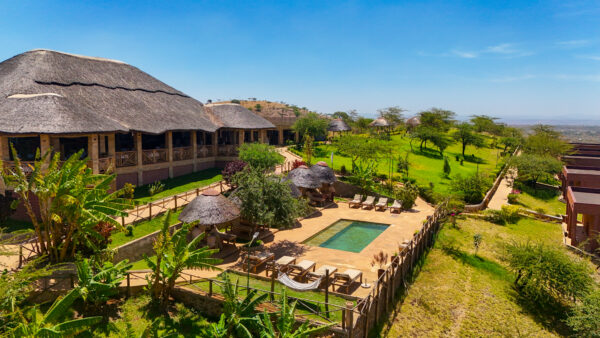
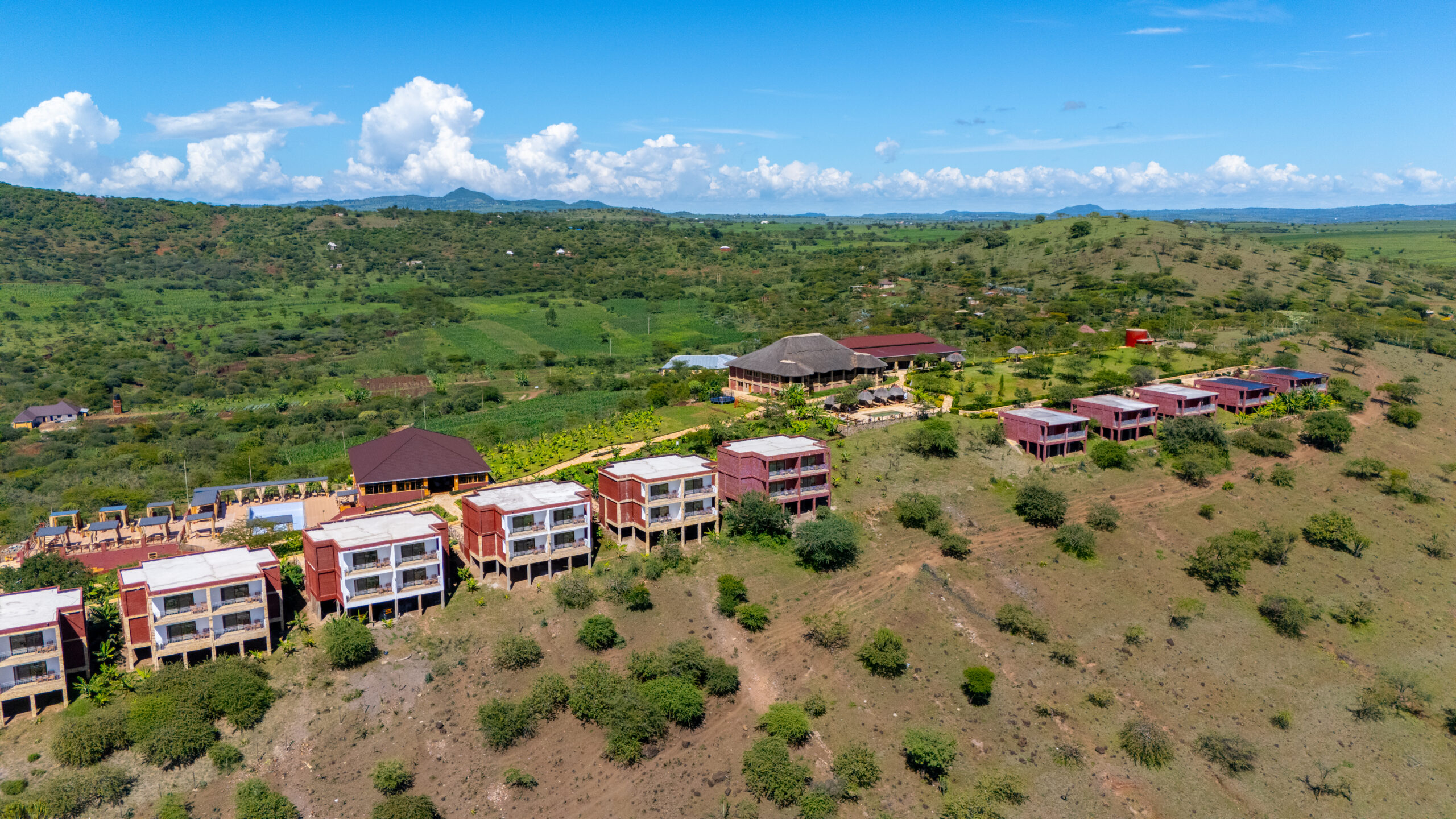
Africa Safari Karatu is a luxury safari lodge on the edge of the Ngorongoro Conservation Area. The area is known for its cool climate, green hills and stunning views, once loved by settlers and farmers for coffee bean plantations. The lodge sits atop a hill and offers panoramic views of the Northern Highlands, Lake Eyasi and surroundings.
From Africa Safari Karatu, Lake Manyara National Park and the Ngorongoro Crater are easily accessible. The lodge has Safari Comfort Bungalows and Safari Luxury Bungalows, with the Luxury Bungalows offering extra space and a comfortable sofa in the sitting area. All bungalows have private balconies with stunning 180-degree views. The restaurant, bar and swimming pool add to the feeling of home, while the stunning views of the Northern Highlands and Lake Eyasi provide the ideal relaxation before or after your safari.
Highlights
- Breathtaking views of the hills of the Ngorongoro area
- Close to the entrance of Ngorongoro Crater
- Great to combine with Lake Manyara National Park
- Perfect stopover between Arusha and Serengeti National Park
- A lovely swimming pool with views and other facilities
- Various day activities to explore the area
- Spectacular nature and on the outskirts of Karatu the town
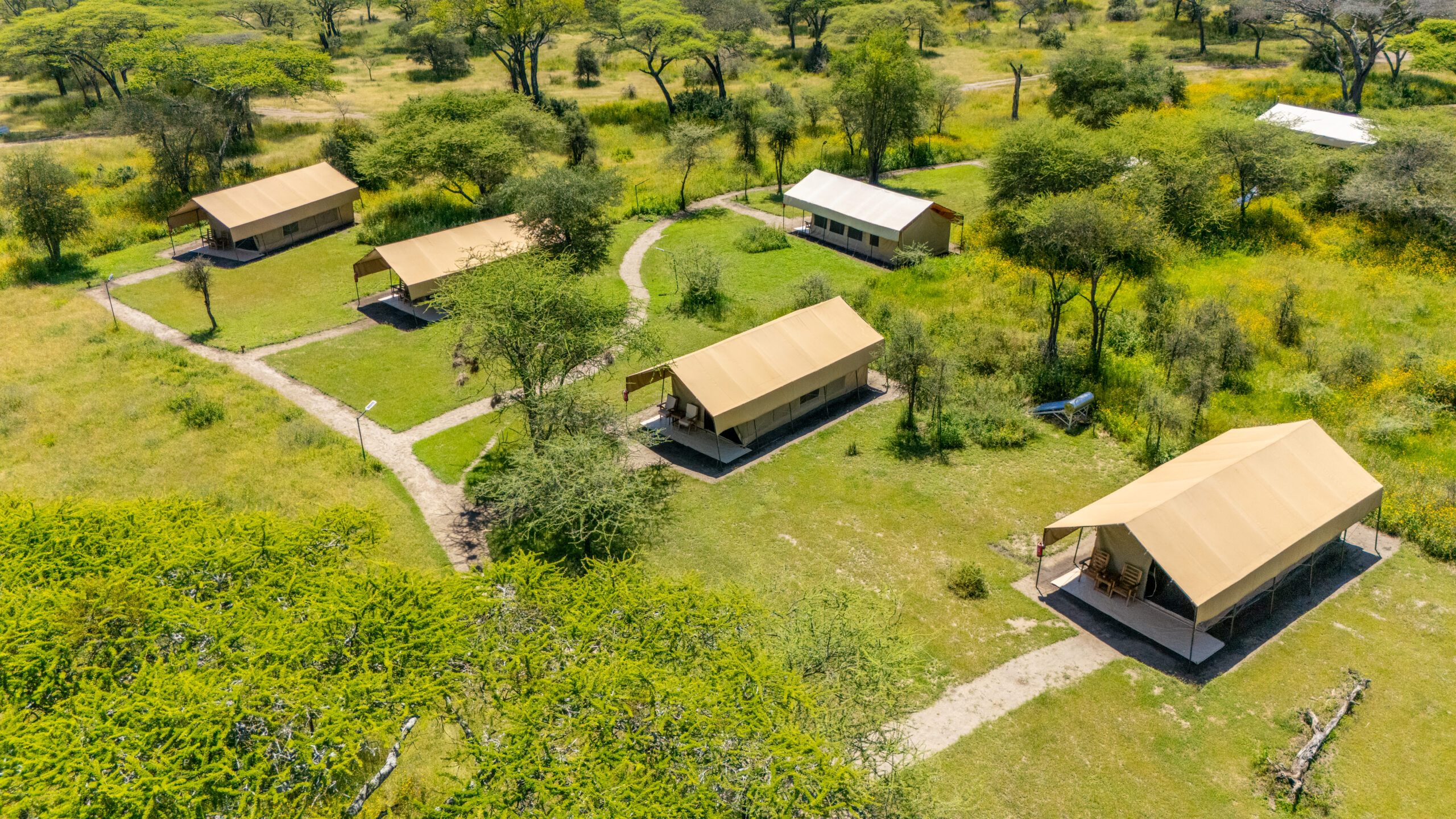
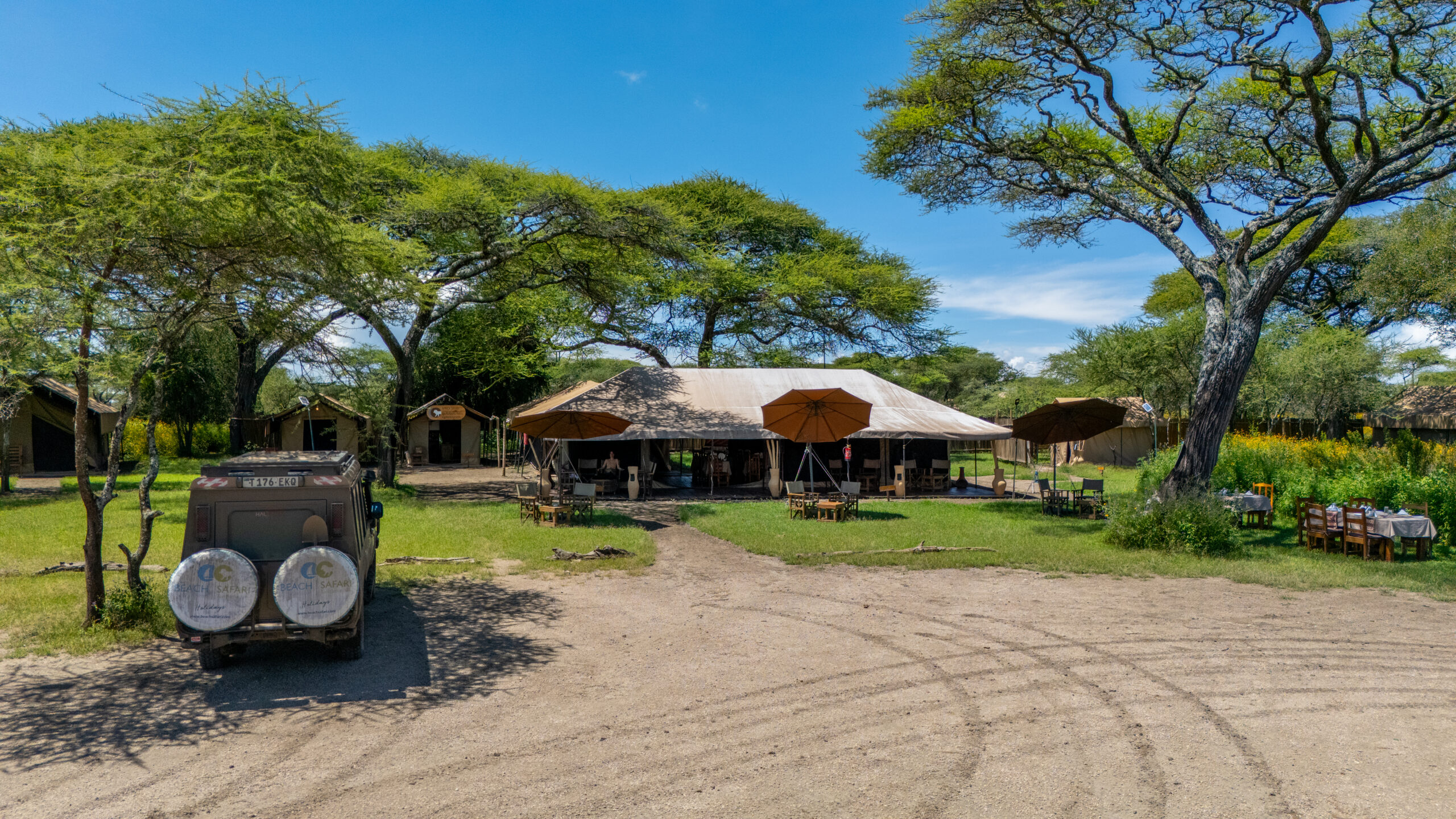
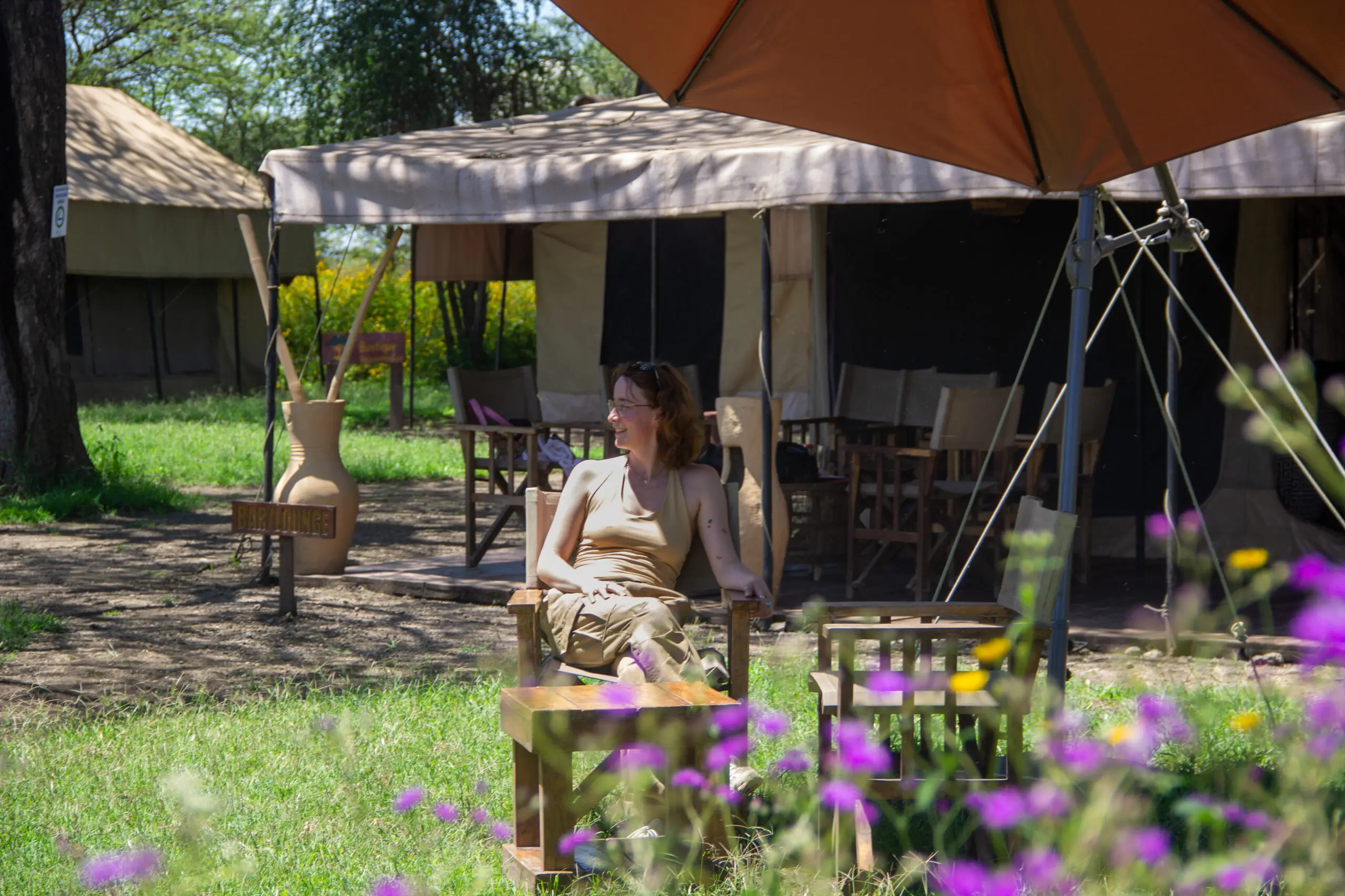
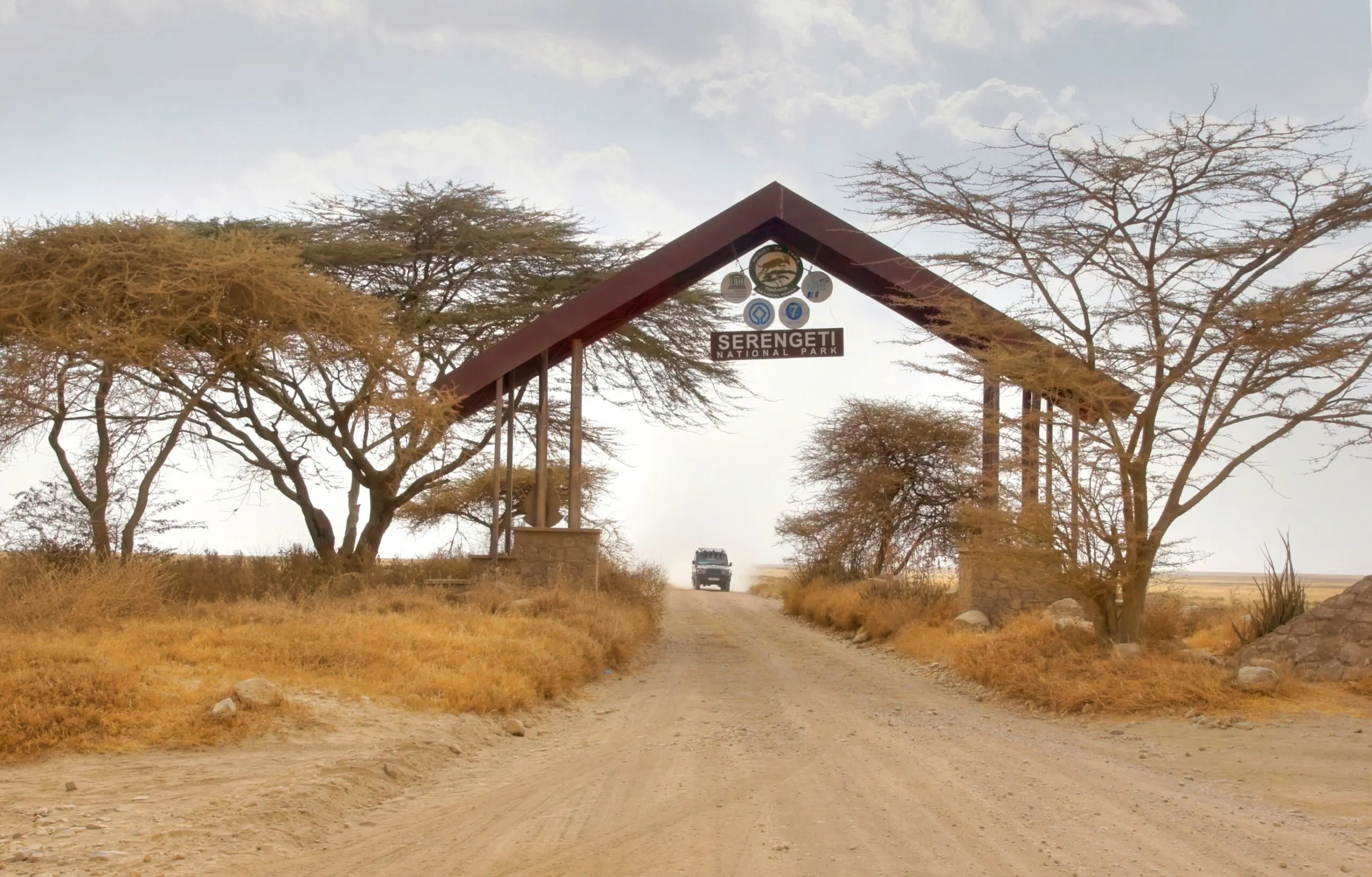
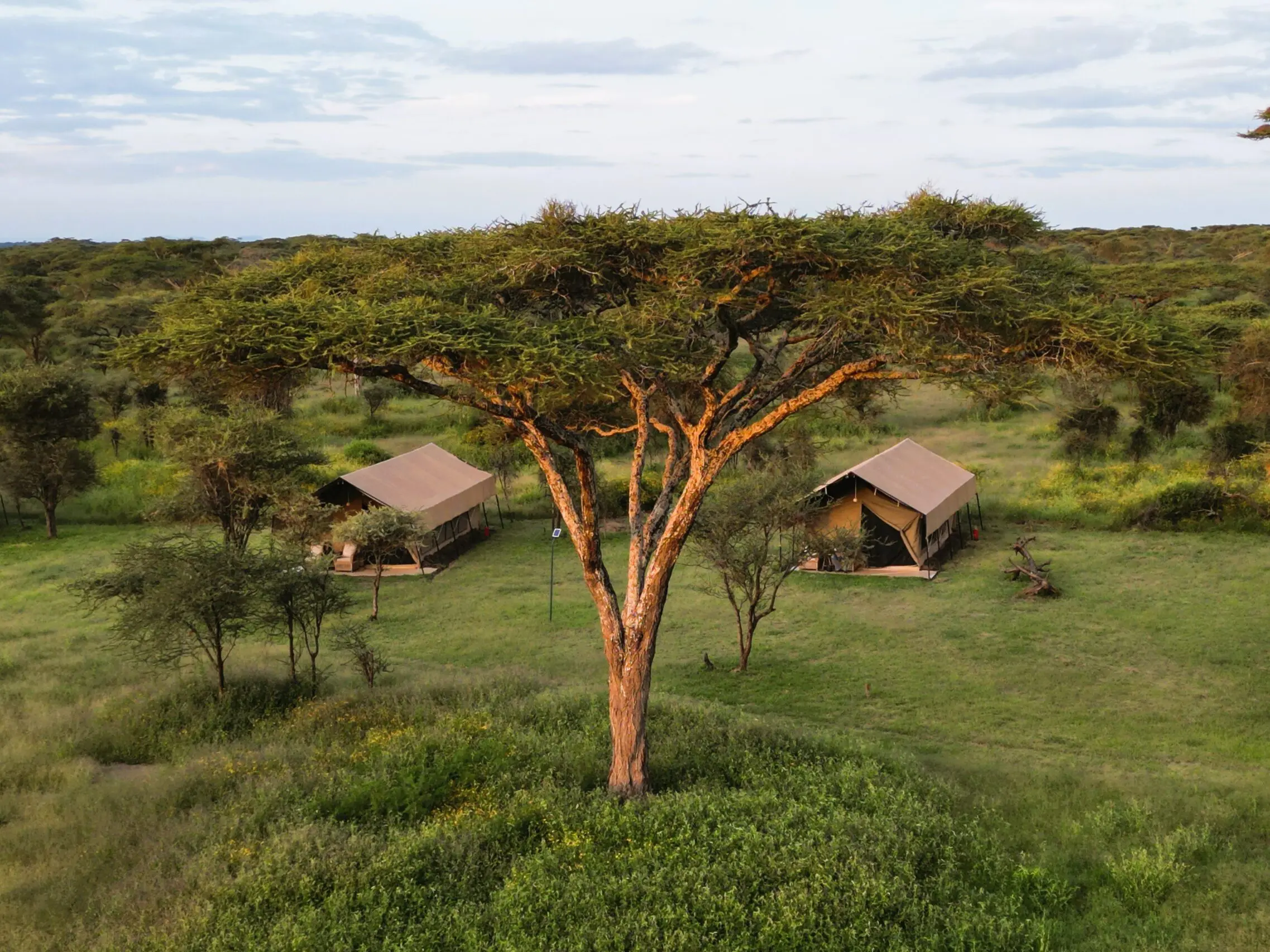
Africa Safari Ngorongoro Ndutu
Surrounded by elephants
Africa Safari Ngorongoro Ndutu is located within the Ngorongoro Conservation Area, just outside Serengeti National Park and south of Lake Ndutu. This remarkable region is especially known as a key location during the calving season of the Great Migration—one of the most extraordinary wildlife events on Earth. From January to February, thousands of wildebeest, zebras, and gazelles give birth on these open plains, attracting predators such as lions, leopards, and hyenas, and creating a powerful and unforgettable natural spectacle.
Beyond the migration season, the area offers exceptional wildlife viewing throughout the year. A rich diversity of species can be found here, including lions, leopards, cheetahs, servals, and other smaller predators, alongside giraffes, elephants, zebras, gazelles, and many more. The nearby Masek and Ndutu lakes provide vital water sources that sustain the ecosystem and ensure consistent wildlife activity across the seasons.
Africa Safari Ngorongoro Ndutu offers an immersive stay in the heart of nature, featuring 13 Safari Comfort Tents, 2 Safari Comfort Family Tents, and 6 Luxury Glamping Tents. All units include private en-suite bathrooms, combining comfort with an authentic bush experience. In addition, the camp offers 5 Safari Tents with shared facilities, providing a more affordable option for travellers.
It is an ideal destination for those seeking a genuine safari experience, with exciting game drives that allow guests to explore the savanna landscape and observe wildlife in its natural habitat.
Highlights
- In the middle of nature where wildlife passes by
- Close to where millions of wildebeest will calve
- Ideal location between the Ngorongoro Crater and Serengeti NP
- Luxury safari tents with desired comfort
- Cozy restaurant with WiFi and the tastiest dishes
- Waking up to birdsong

Africa Safari Serengeti Ikoma
A backyard full of wildlife
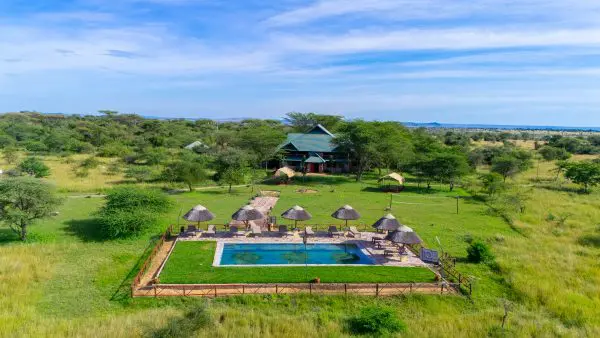
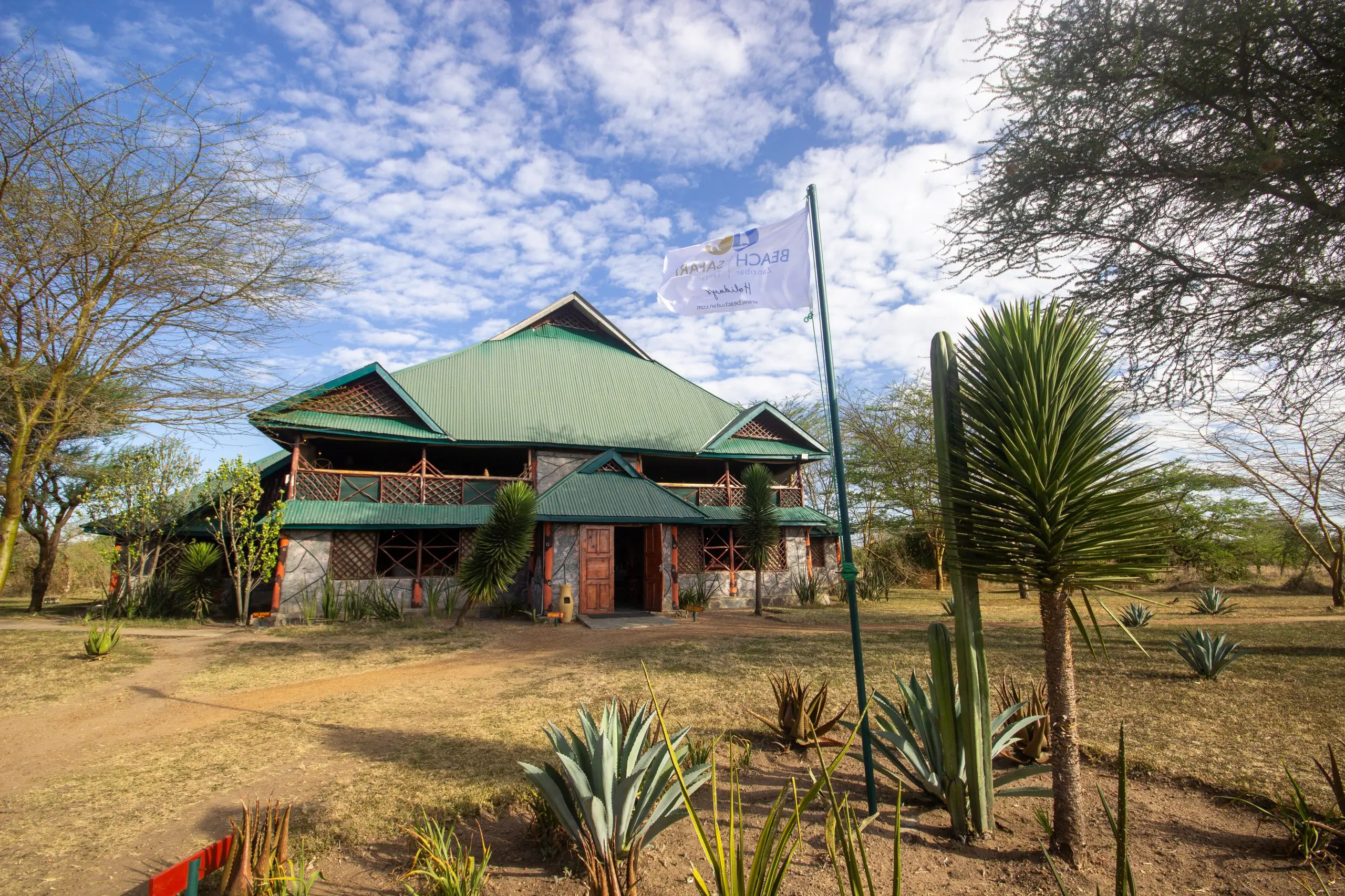
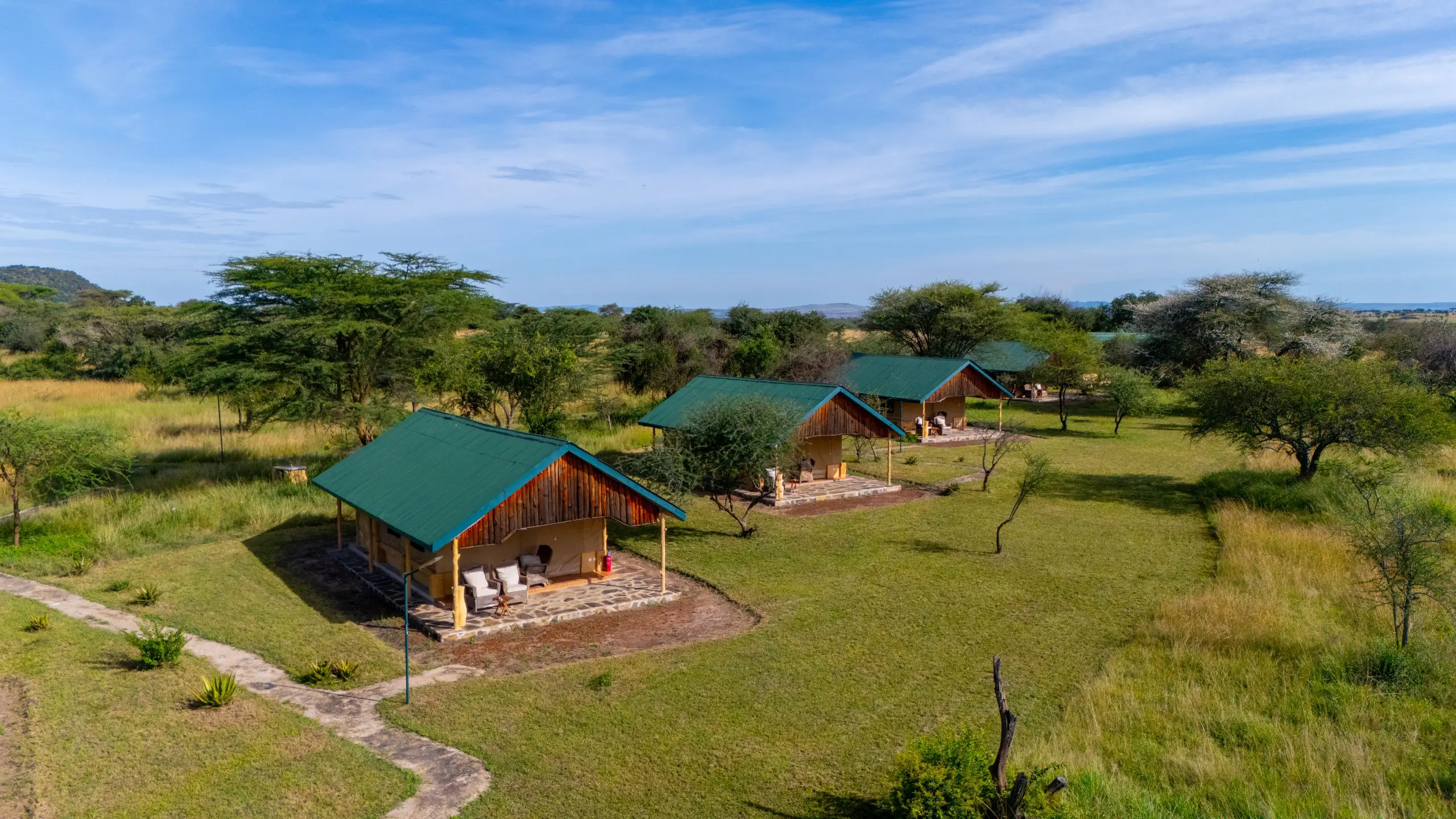
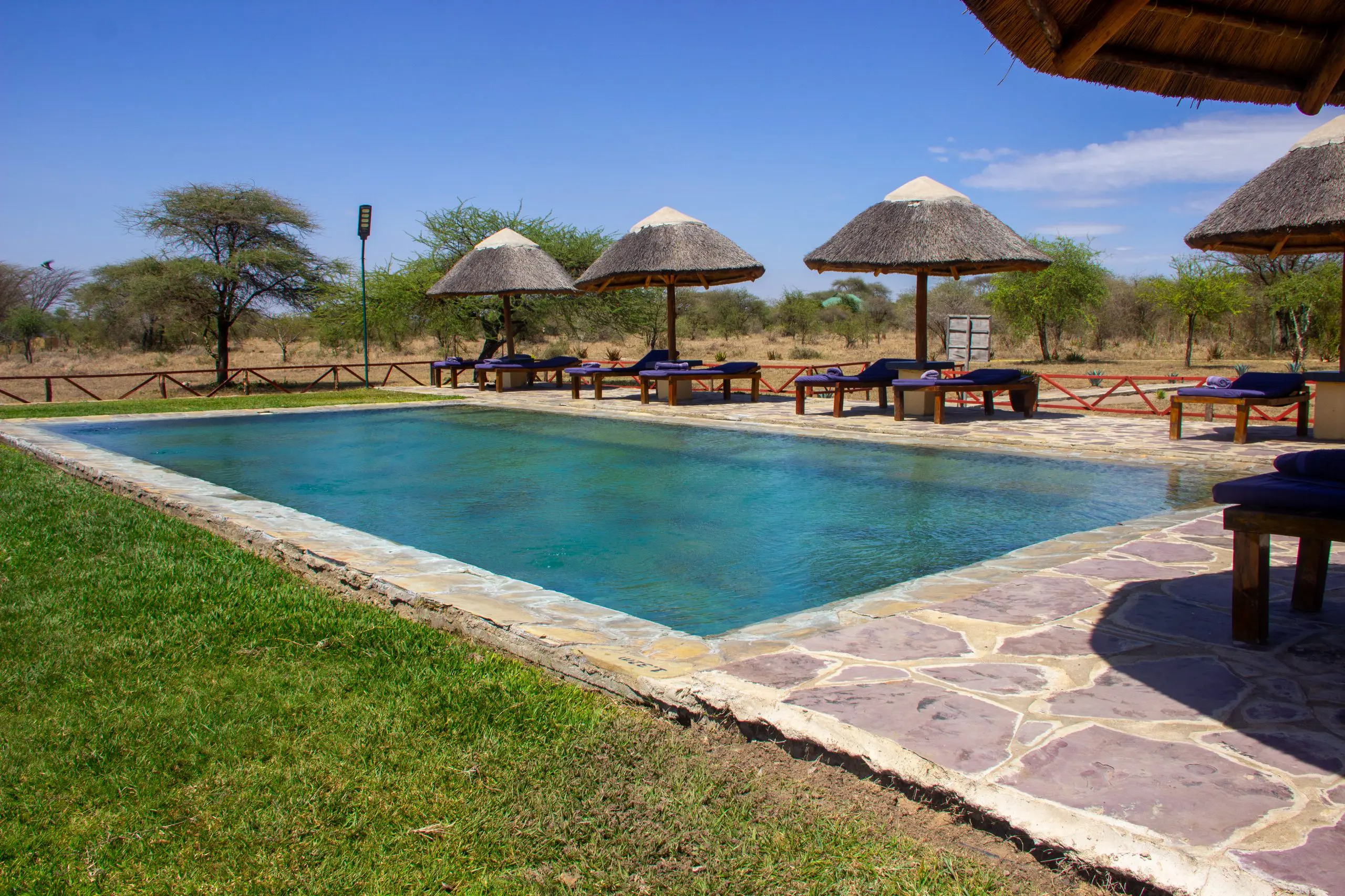
In the middle of the Serengeti Ecosystem grass plains lies Africa Safari Serengeti Ikoma, a unique safari accommodation just 300 meters from Serengeti National Park. This accommodation offers stunning views of wildlife roaming freely, and it is an ideal stopover for exploring the Serengeti.
The spacious tents range from cozy double tents to safari comfort tents with permanent bathrooms. Both with grandiose views over the grassy plains of Serengeti and Ikona. The surrounding area, including the Grumeti River, offers plenty of wildlife, including the Great Migration in certain months. You can also take a bushwalk and night game drive with a TAWA ranger in the nearby Ikona Game Controlled Area, a hidden treasure for wildlife enthusiasts.
Highlights
- An accommodation where wildlife loves to linger
- Comfortable tents with veranda overlooking the grassy plains
- A lovely pool overlooking the wilderness
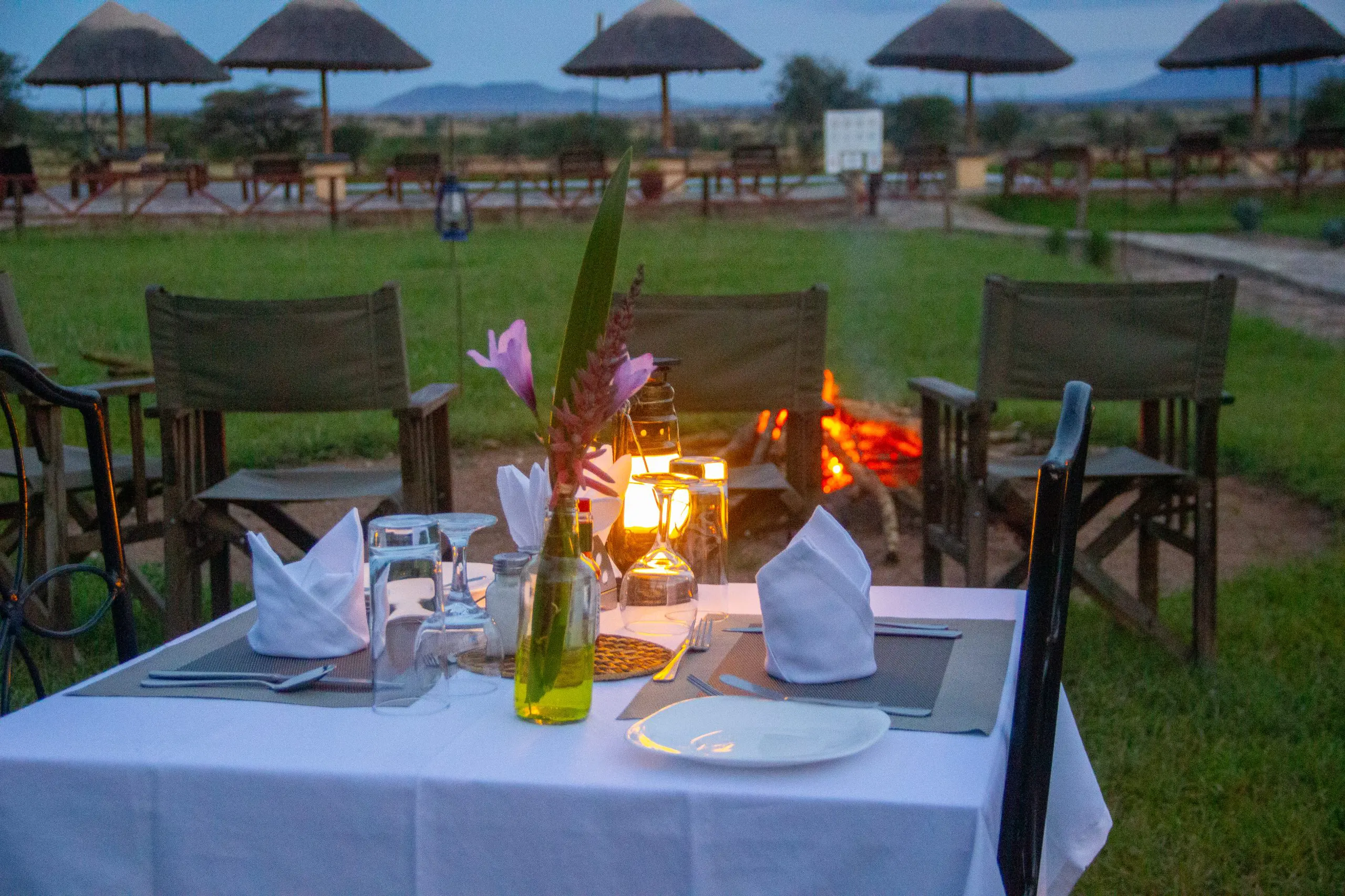
- Large restaurant with a cozy safari bar
- A campfire under the stars
- Close to the entrance Serengeti National Park
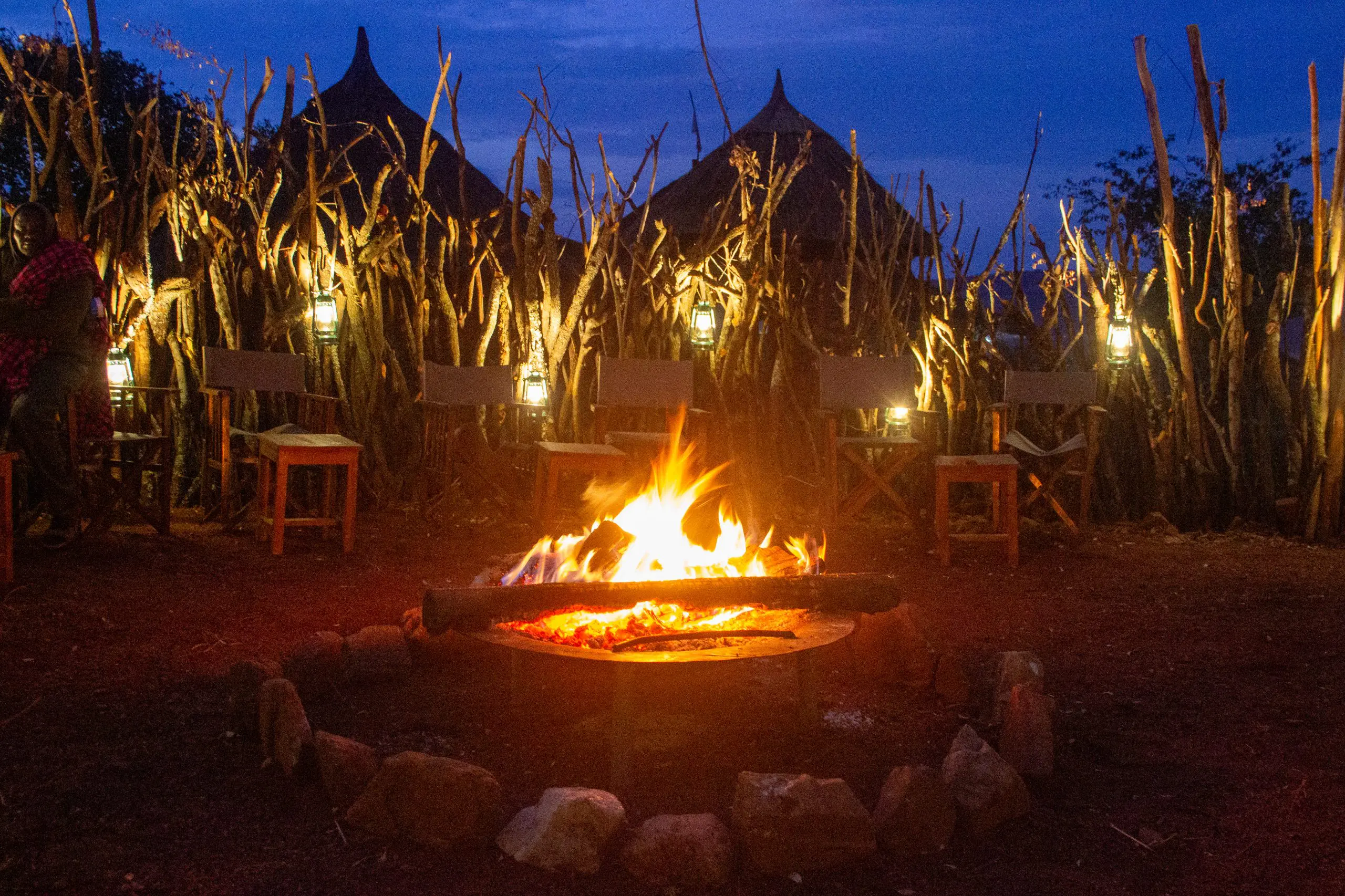
Africa Safari Maasai Boma
Meet the traditional culture
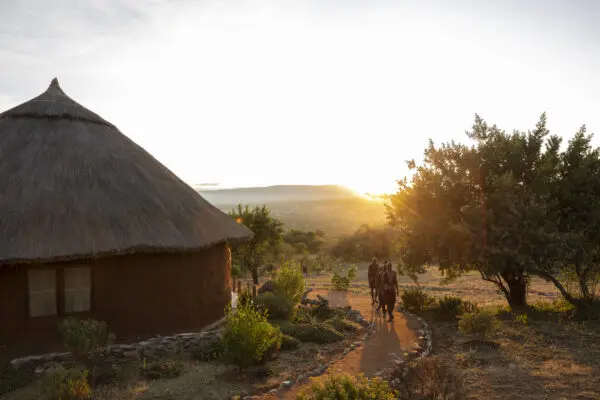
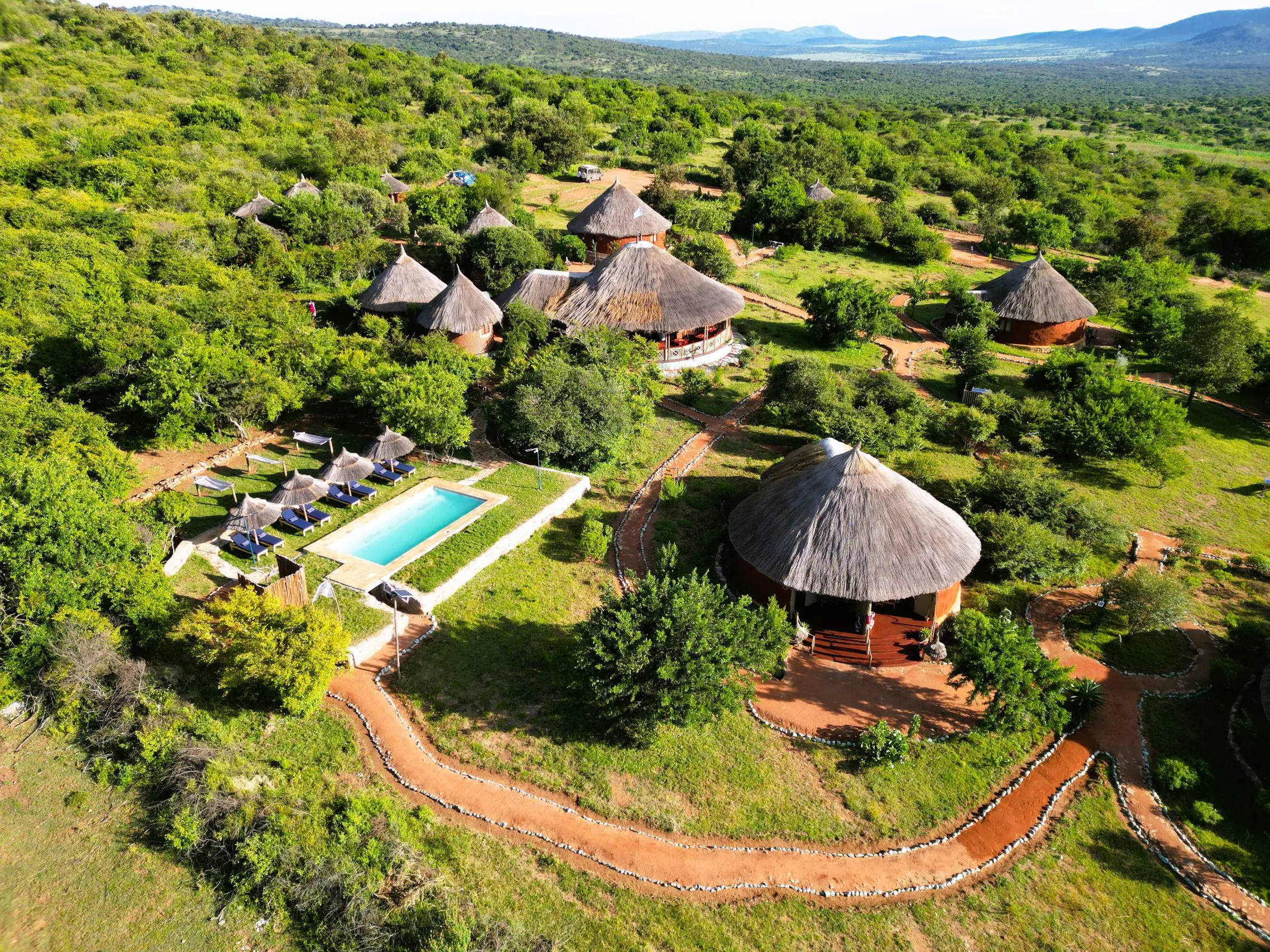
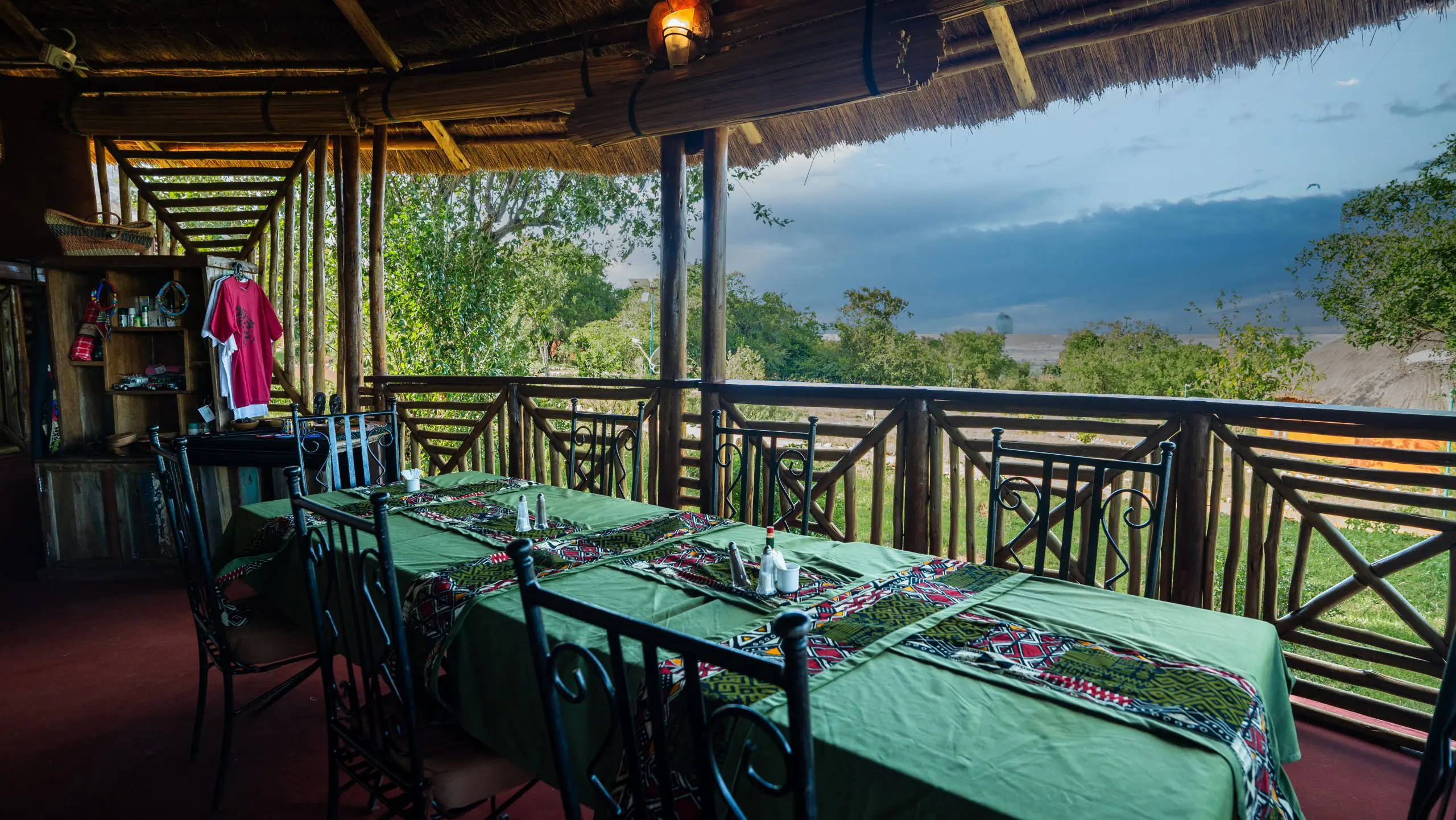
At Africa Safari Maasai Boma you can stay in traditional round terracotta huts with thatched roofs, surrounded by stunning views of verdant landscapes and the Maasai Mara in Kenya. This unique accommodation is ideally located for a safari in northern Tanzania, with Lake Natron to the east, Serengeti National Park to the west, and Ngorongoro to the south. Here you will be introduced to Maasai culture and the traditional building style of the bungalows and huts, inspired by a Maasai boma.
Located just 15 minutes from Serengeti’s Klein’s Gate, Africa Safari Maasai Boma offers game drives to the famous river crossing during the Great Migration and outstanding wildlife viewing in the area, including the Pololeti Game Reserve. It is a must-visit during your tour of northern Tanzania.
Highlights
- Breathtaking location against the Kenyan border
- The only affordable accommodation in the area
- Perfect place to stay between Serengeti and Lake Natron
- Inspired by traditional Maasai culture
- Located next to Pololeti Game Reserve
- A lovely pool with great views
Serengeti National Park
From vast plains to rocky ‘kopjes’
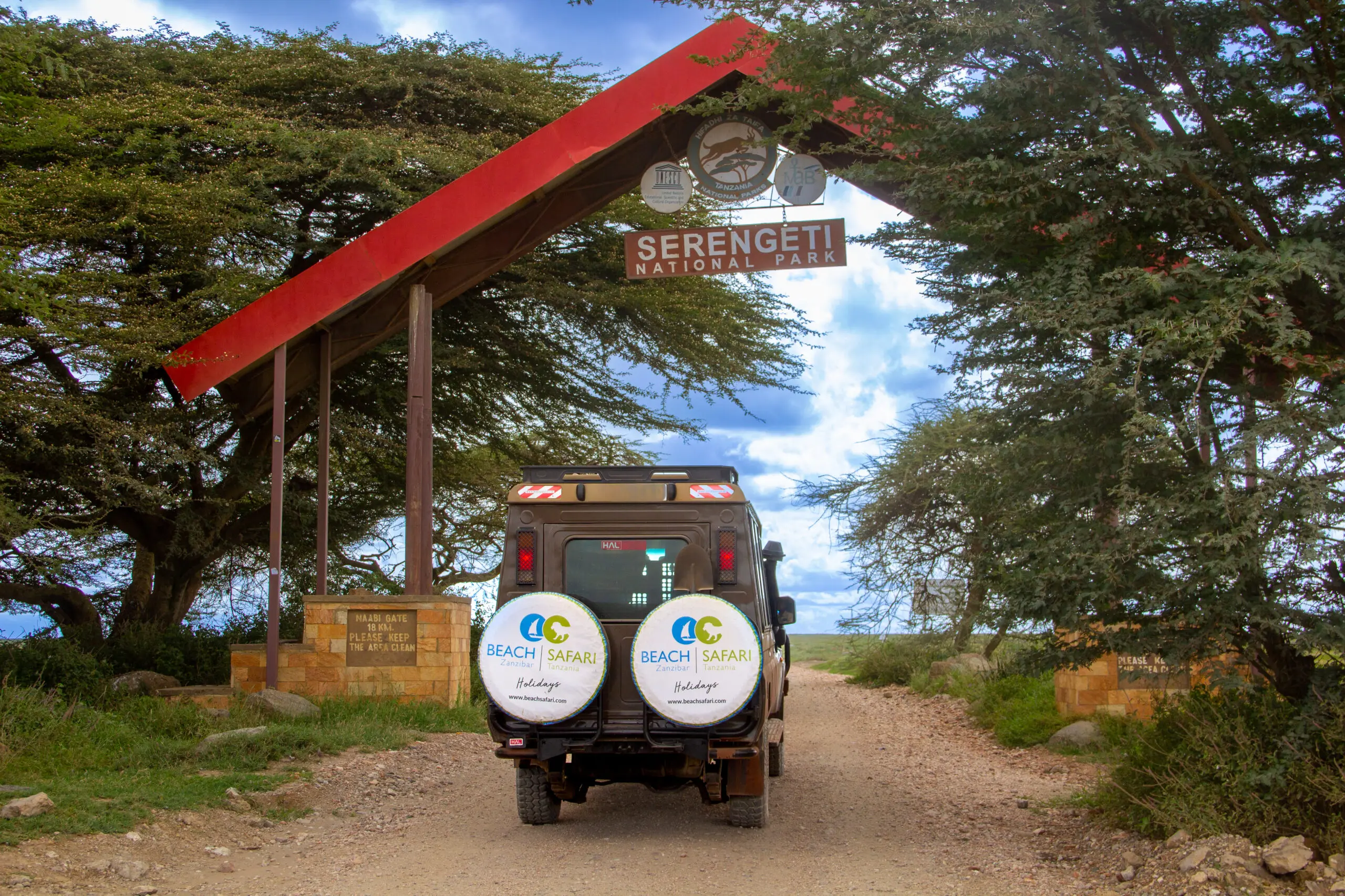
With vast open plains stretching to the horizon and an abundance of wildlife, Serengeti National Park crowns itself a true paradise for any safari enthusiast. Hence, we recommend that you set aside several days for this.
Serengeti National Park covers an impressive area of nearly 15,000 square kilometers and is rightly the largest and perhaps most popular national park in Tanzania’s northern circuit and perhaps in all of Africa.
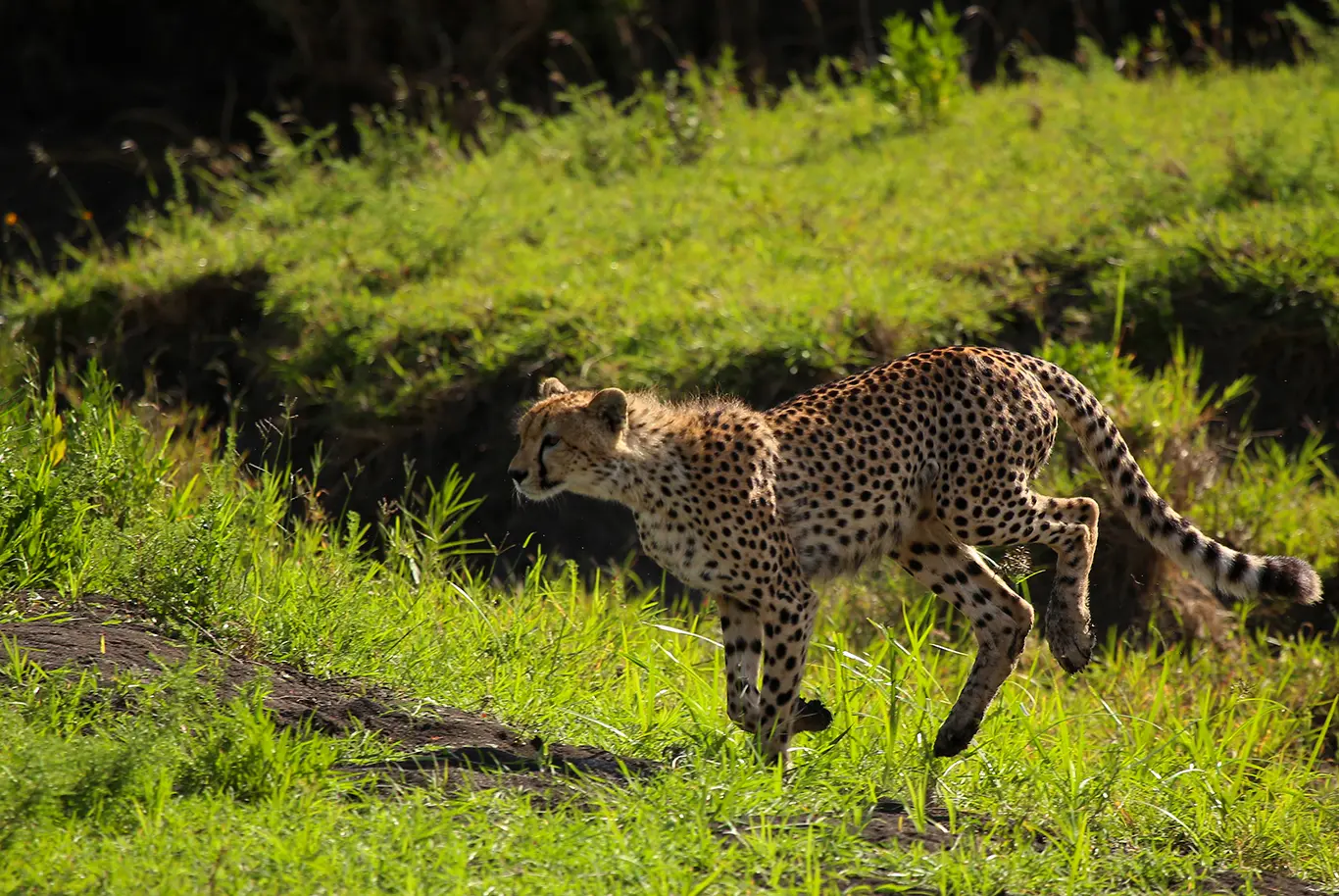
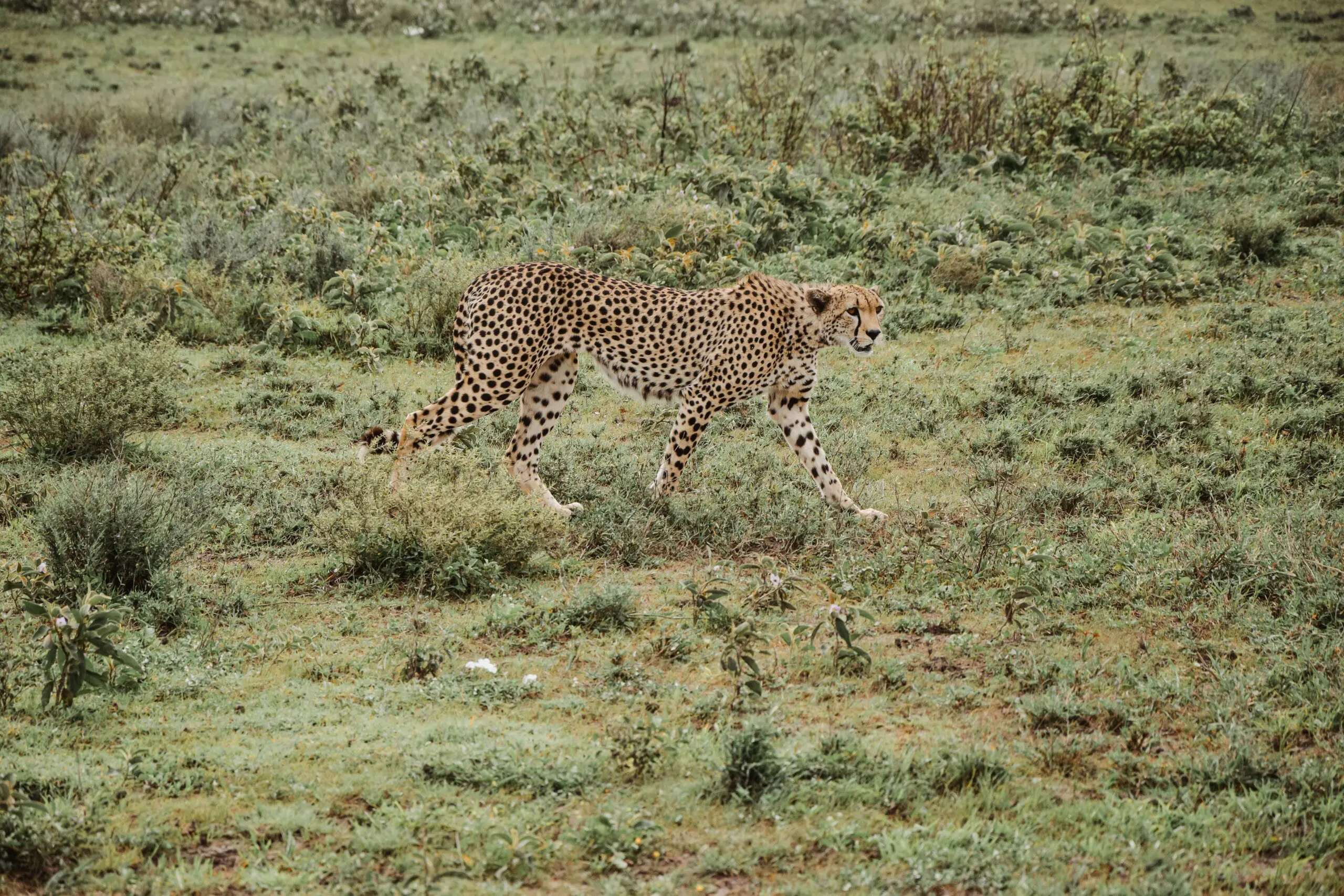
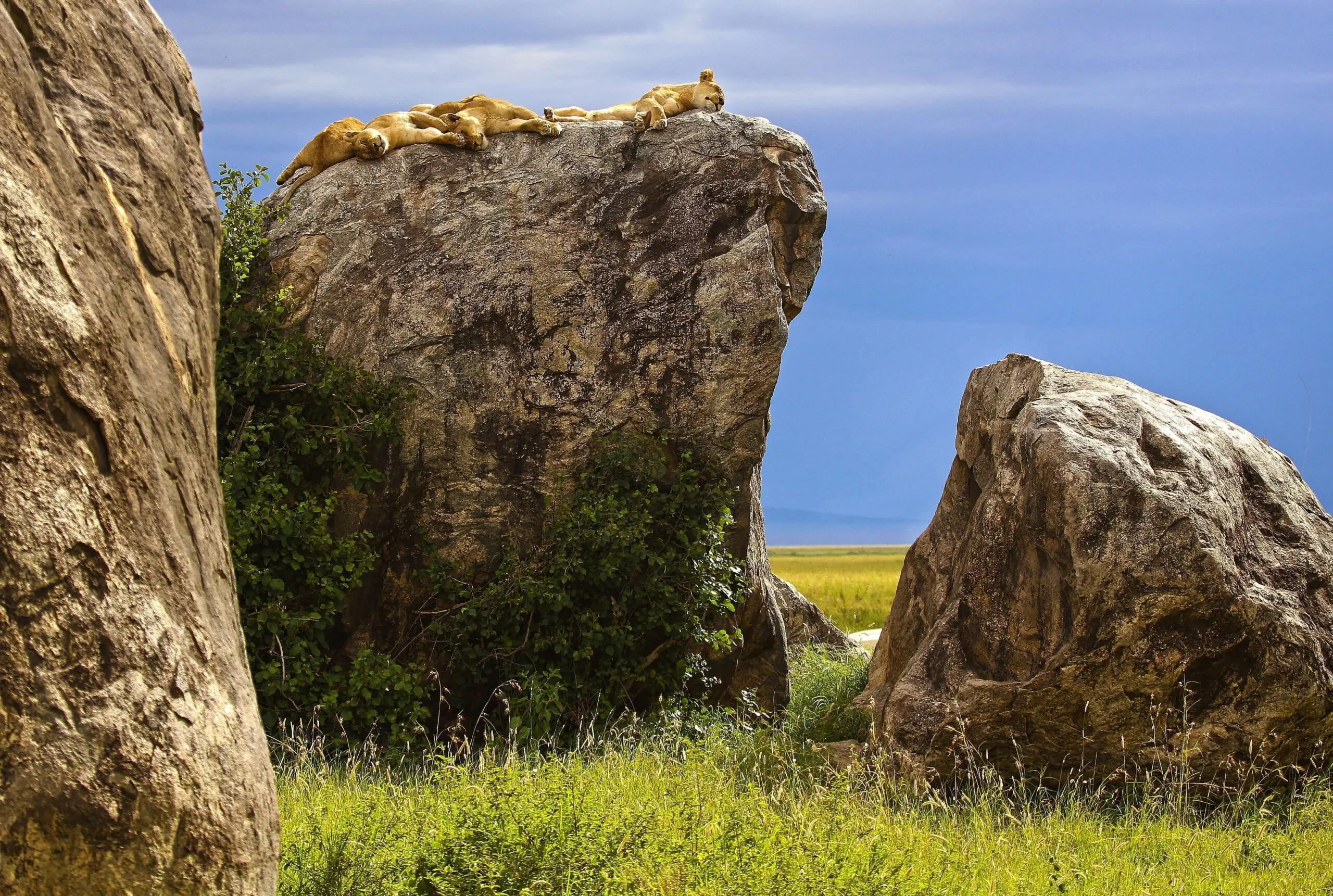
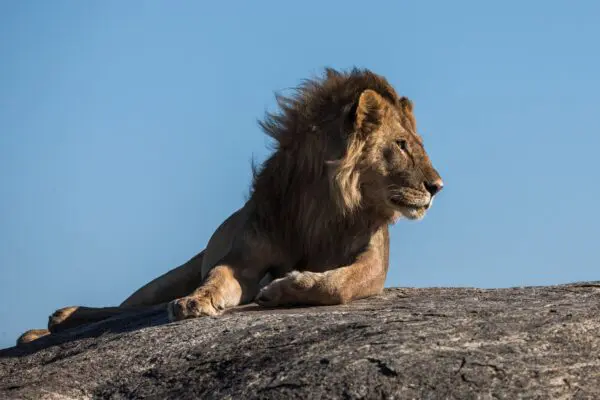
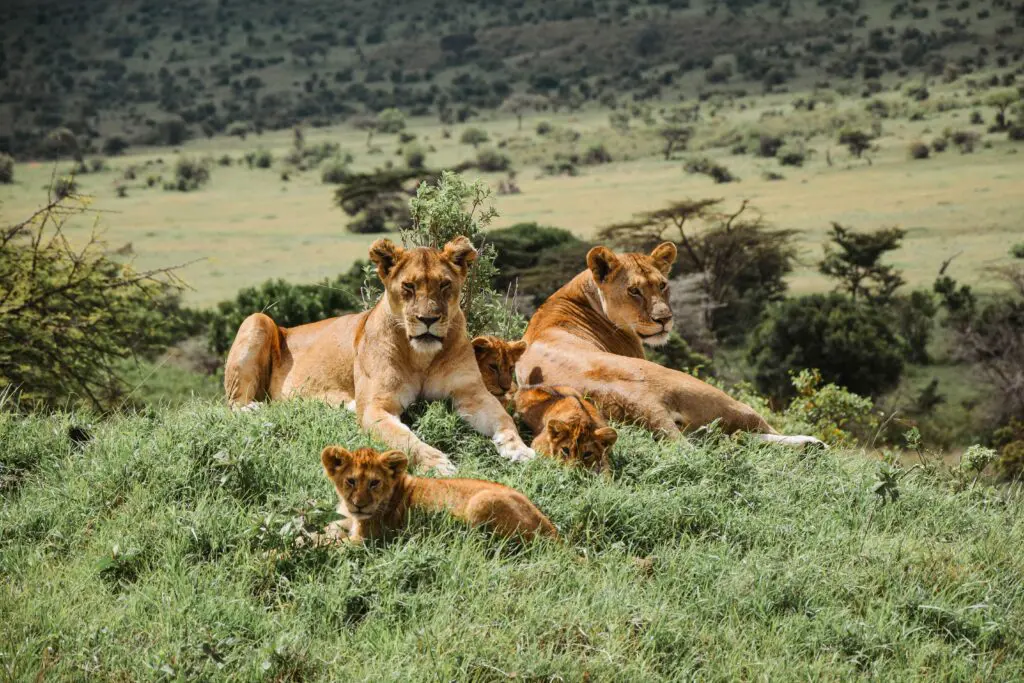
The Serengeti is known worldwide as host to the Great Migration and many big cats such as lions, cheetahs and cheetahs. However, elephants, giraffes, hippos, crocodiles, buffalo and impala are also common residents here. This area is extremely popular because of the high probability of witnessing a hunting party of these predators. The landscape in northern Serengeti NP is characterized by “kopjes,” rocky granite formations that are more than 550 million years old and often serve as lookouts for these feline hunters during their search for prey.
Wildlife you can spot:
Wildebeests | Zebras | Thomson’s gazelles | Lions | Cheetahs | Cheetahs | Cheetahs | Cheetahs | Elephants | Giraffes | Hippos | Crocodiles | Buffalo | Impalas | Hyenas | Rhinos | Warthogs | Waterbucks | Vultures | Baboons | Mongoose | Aardvarks | Serval Cats | Meerkats
The Great Trek of the Serengeti National Park
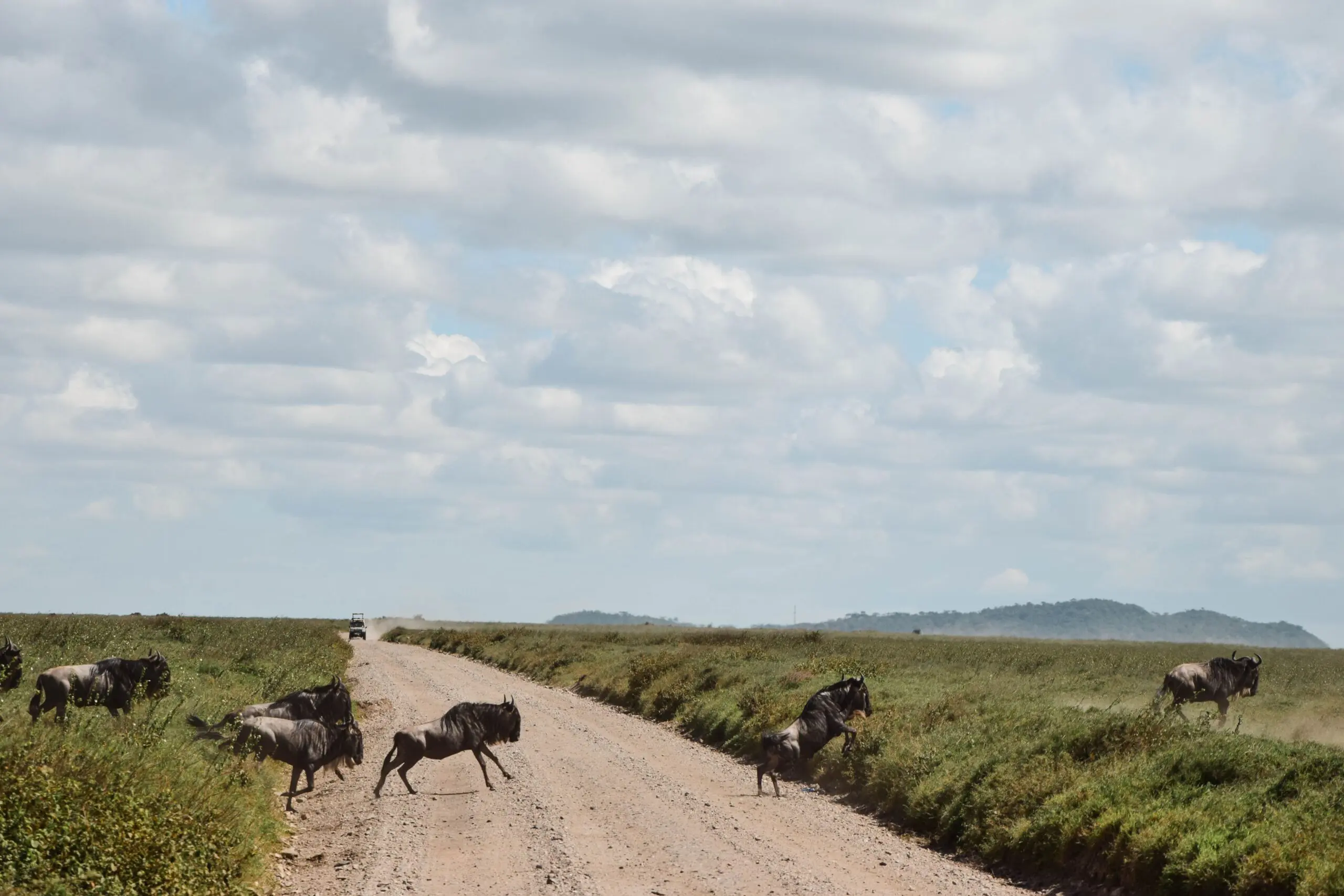
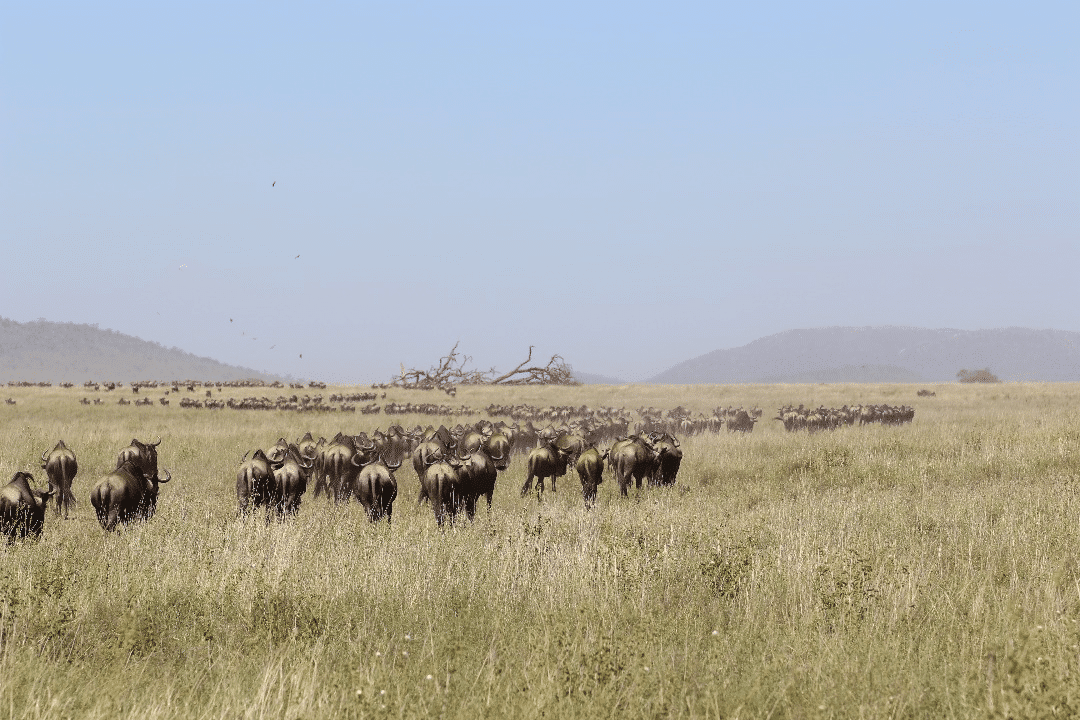
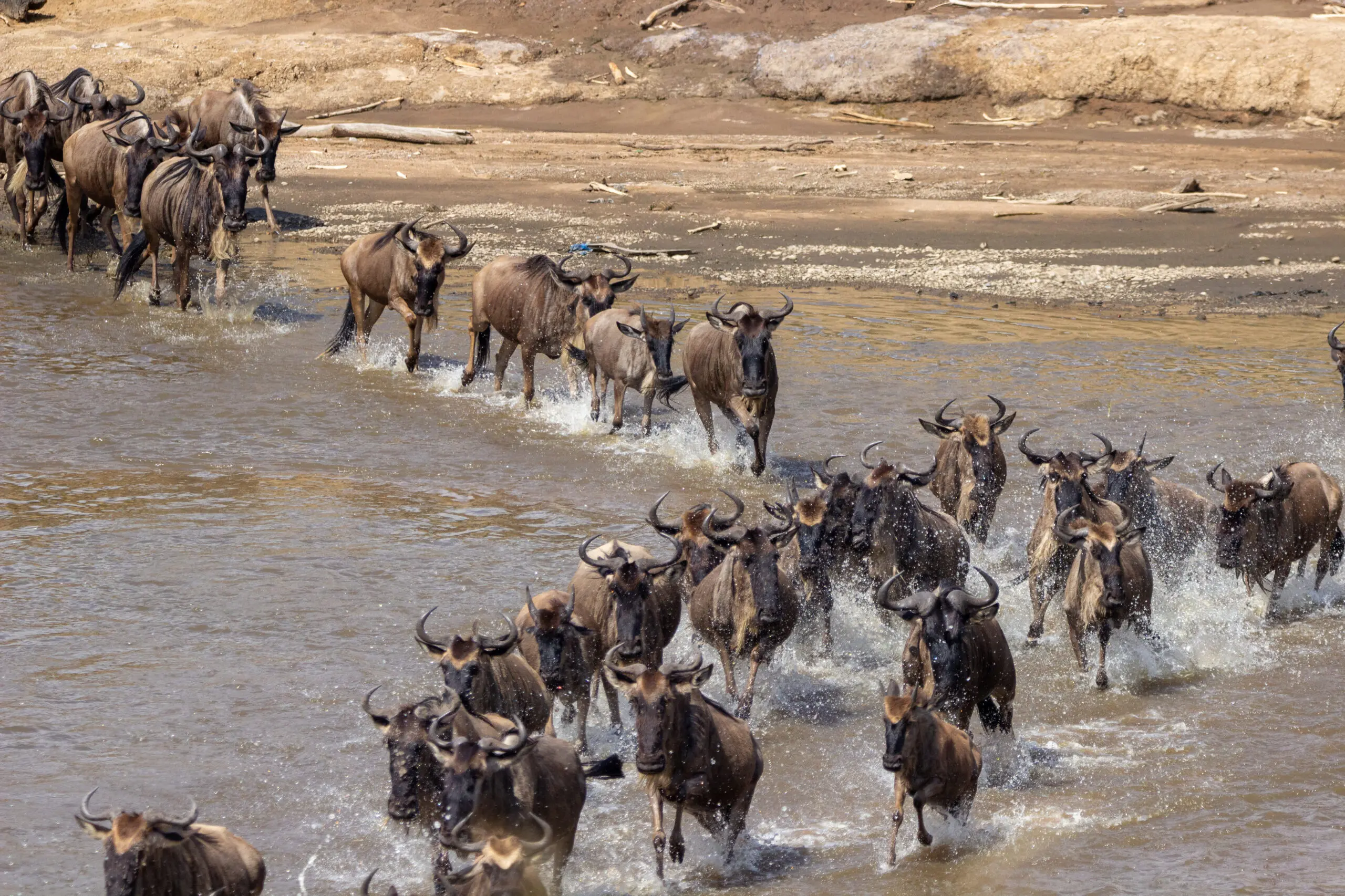
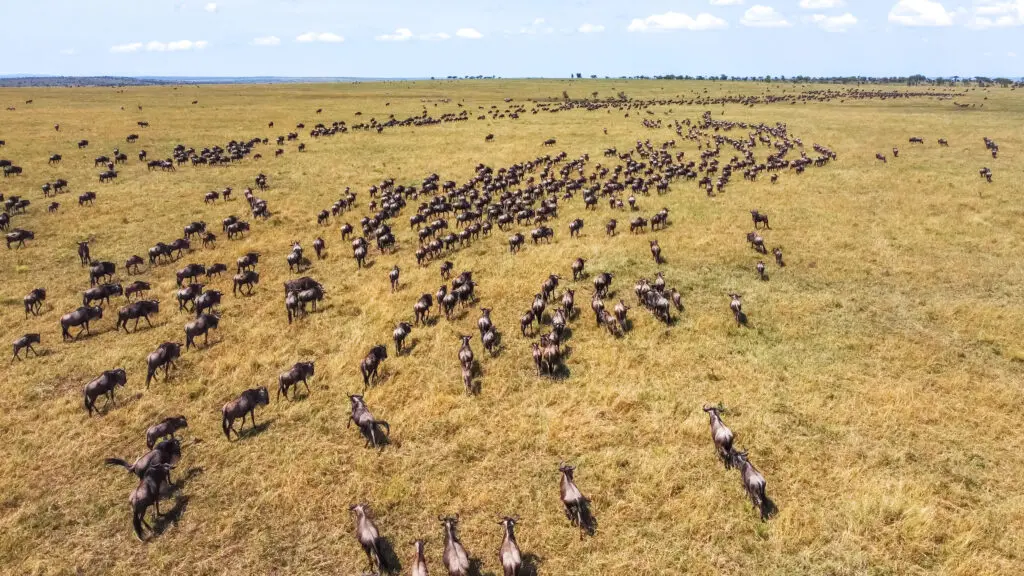
This is a natural spectacle that many people like to see during their safari trip in Tanzania. One of the highlights in Serengeti NP, but also one of the most difficult to spot. Every year, the six million wildebeest, and thousands of zebras and gazelles migrate through Serengeti National Park in search of fresh grass and water.
Seasonally, we know approximately where the Great Migration is located, but never exactly. This is due to many natural factors, which makes seeing the Great Migration very unique. Our drivers/guides always do their best to locate the Great Migration.
- January/February | Calf season in Southern Serengeti / Ndutu area
- March/April | From south to central Serengeti NP via the west side
- June/July | From central to north Serengeti NP
- August to October | The river crossing in Northern Serengeti NP
- November/December | From north to south Serengeti NP via the east side
Practical information
Location: Serengeti National Park is located in northern Tanzania and extends into southwestern Kenya. It is one of the most famous game reserves in Africa.
Entrance fee: The entrance fee may vary depending on your age and period of your visit. This entrance fee (park fee) is always included in our tours.
Best time to visit: The Serengeti is known for the annual migration of wildebeest and zebra, culminating in the river crossing (North) in August/September and the calf season (South) in January/February. This is an excellent time to visit the park. However, Serengeti National Park is beautiful all year round and very good for wildlife spotting.
Climate: The climate in the Serengeti can vary, but it is generally warm during the day and cool at night.
Ngorongoro Crater
World’s largest volcanic crater
Nothing can prepare you for the breathtaking beauty of Ngorongoro Crater. As you stand at the viewpoint and contemplate the Crater, you see the clouds drifting away around the crater rim and feel a cool, mountainous breeze. Mother Nature at her best. The Ngorongoro Crater is a UNESCO World Heritage Site and the world’s largest volcanic crater that has dried up and created a whole new ecosystem. It is also called the 8th wonder of the world.
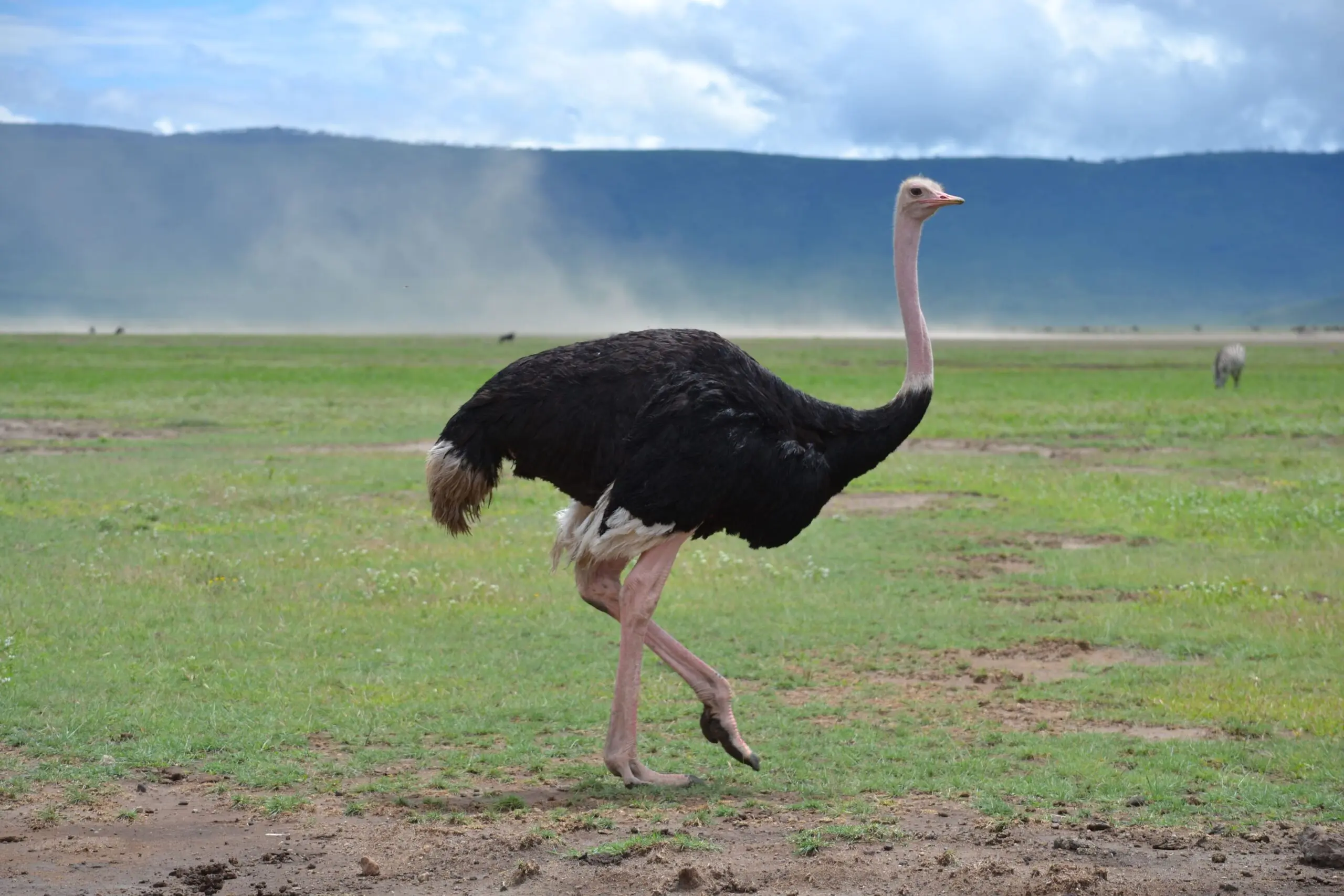
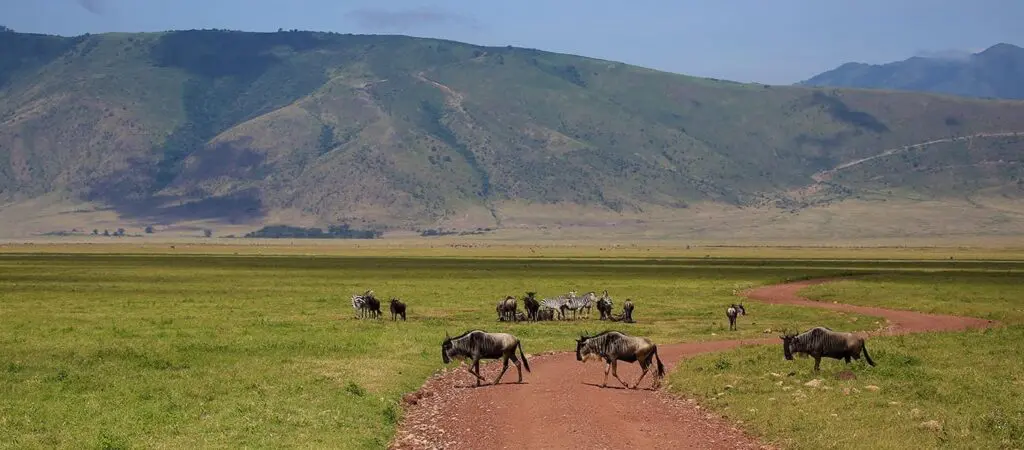
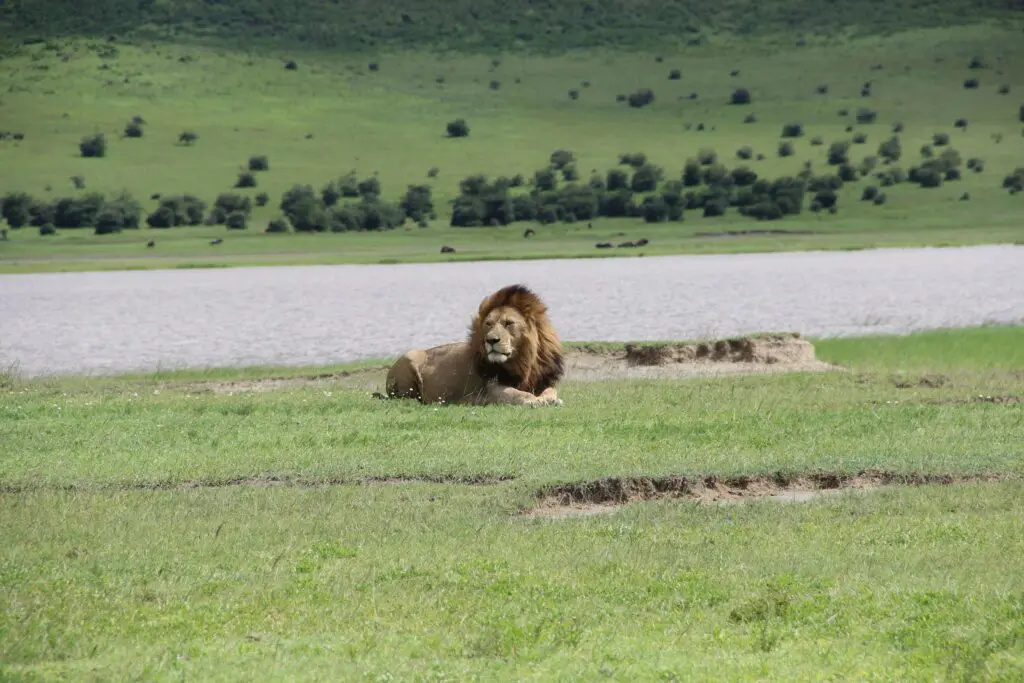
With its lush green grasslands, shimmering lakes and meandering rivers, the crater is home to many wild animals, including the Big Five (lions, elephants, buffalo, leopards and rhinos). It is also an essential resting place for migrating birds. In short, Ngorongoro Crater is an enchanting piece of nature that will surprise you with its unparalleled beauty and biodiversity.
Wildlife you can spot:
Lions | Leopards | Black Rhinos | Elephants | Buffalo | Zebras | Wildebeest | Waterbucks | Impalas | Hippos | Hyenas | Flamingos | Birds of Prey
Wildlife of Ngorongoro Crater
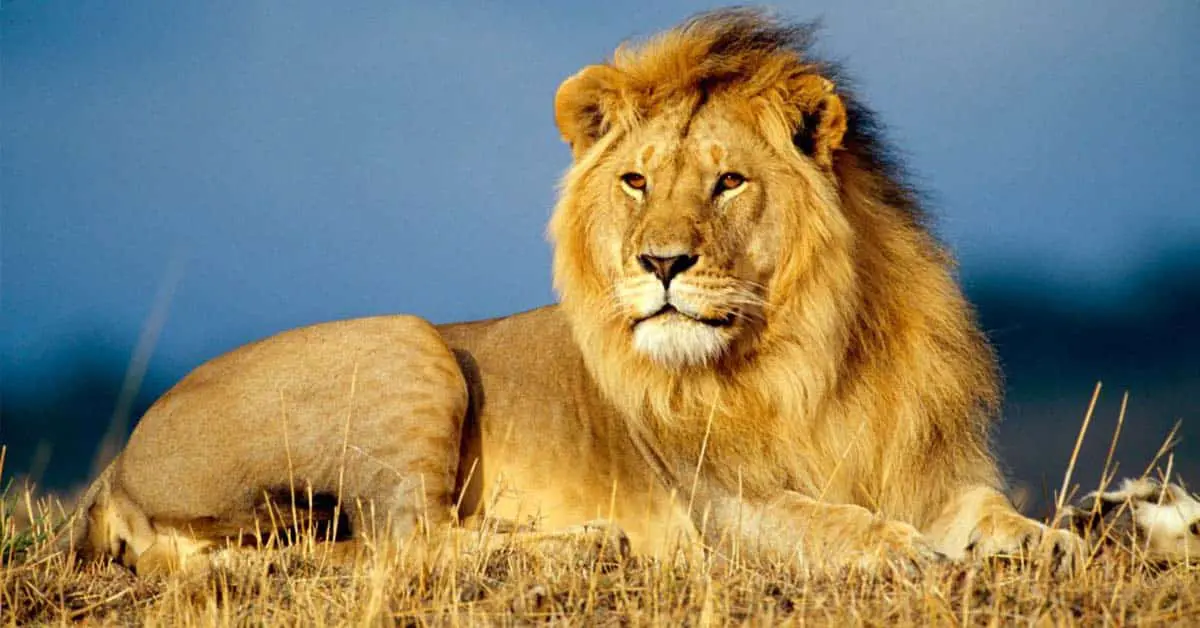
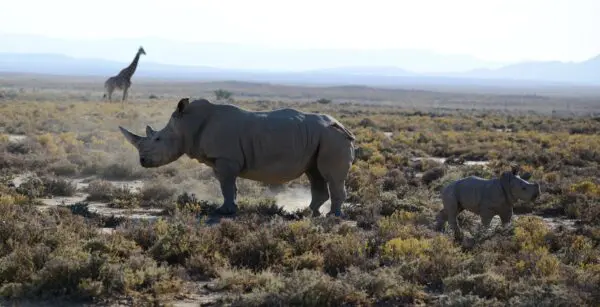
Ngorongoro Crater is home to an impressive variety of wildlife, making it one of the most remarkable wildlife sanctuaries in the world. In this natural amphitheater-like setting, you can witness powerful lions guarding their territory, elegant leopards deftly prowling through the grass, imposing black rhinos, herds of grazing buffalo and robust elephants strolling peacefully.
It is a place where the Big Five converge and where countless other animals, including zebras, giraffes, hippos and numerous bird species, also thrive. A safari in the Ngorongoro Crater is an unforgettable opportunity to come face to face with the magnificent animals that call this unique landscape home. Ngorongoro Crater is an absolute must-see on any tour of northern Tanzania.
Practical information
Location: Ngorongoro Crater is located in northern Tanzania, near the Serengeti National Park.
Entrance fee: There is an entrance fee to enter the Ngorongoro Conservation Area, of which the crater is a part, plus an entrance fee to enter the crater by safari jeep. These entrance fees (park fees) are always included in our trips.
Best time to visit: Ngorongoro Crater is accessible year-round with many chances of spotting wildlife.
Climate: The climate in Ngorongoro Crater can vary, but it is generally cooler than in the surrounding areas because of the altitude.
Lake Manyara National Park
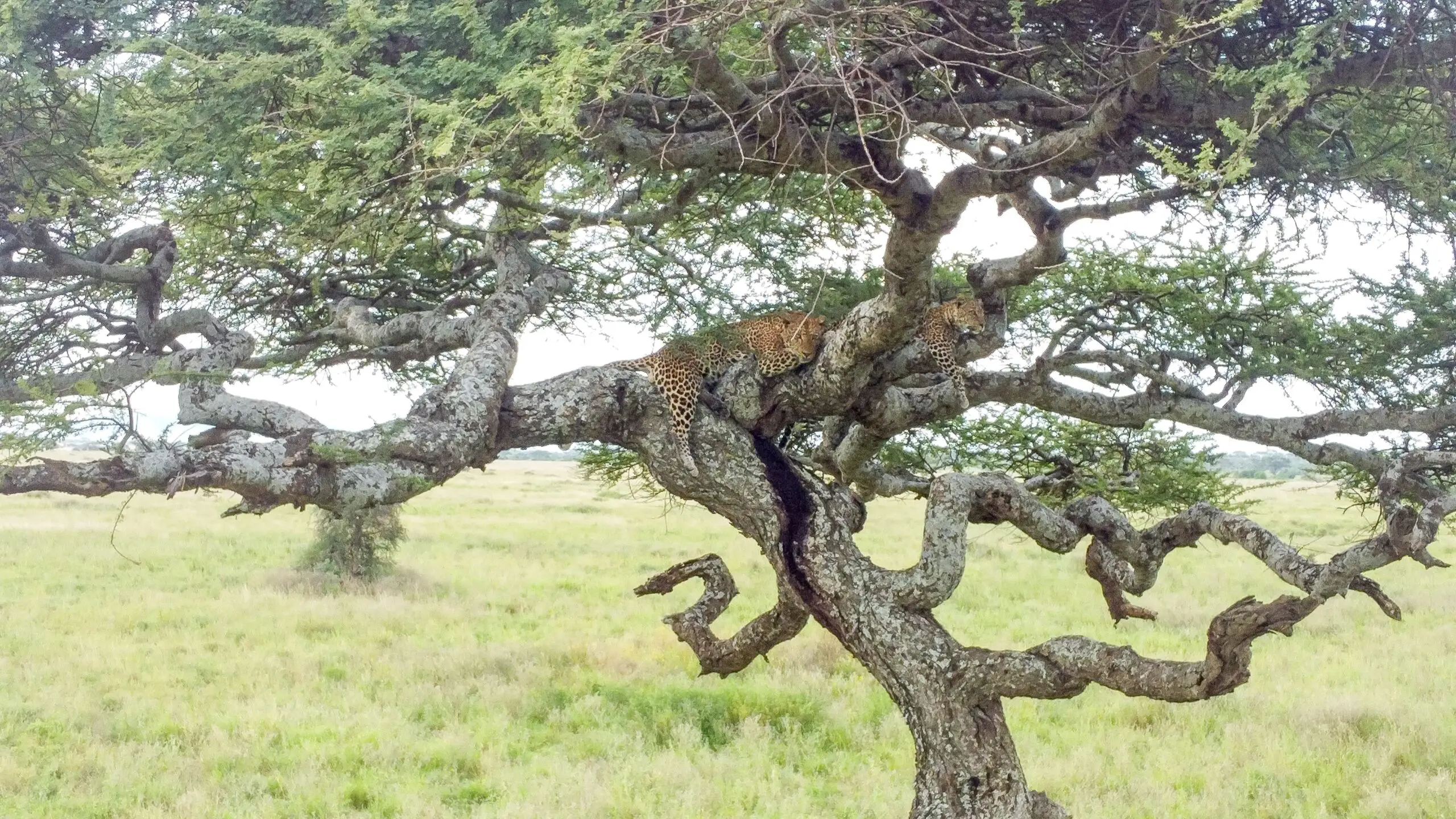
Lake Manyara National Park is one of the most varied safari parks in northern Tanzania. At the foot of the Great Rift Valley, forest, open floodplains, wetlands, acacia woodland and the alkaline lake come together within one protected area.
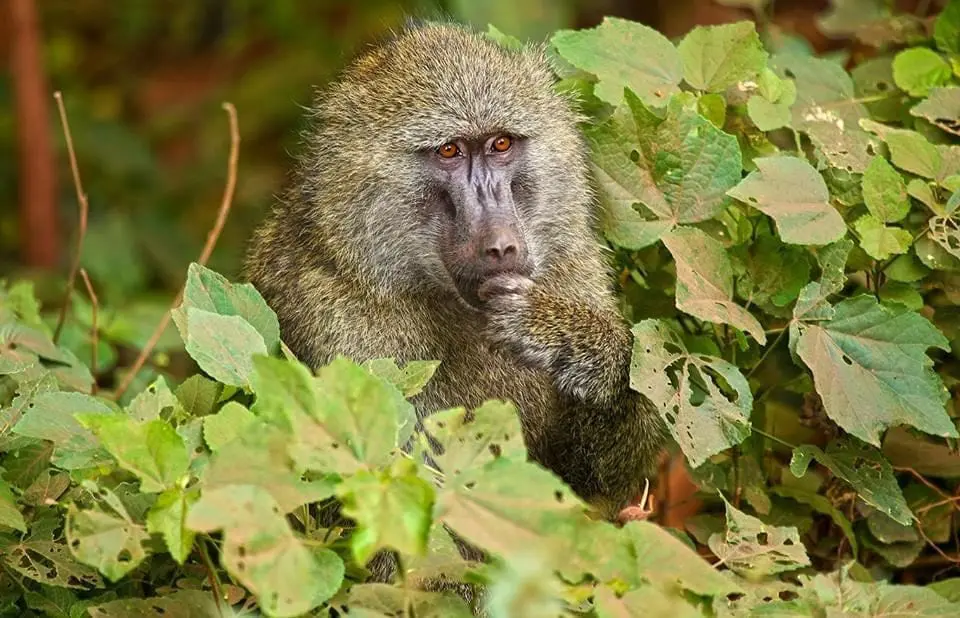
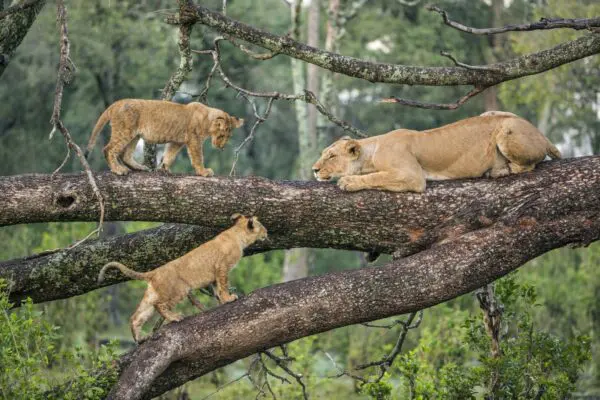
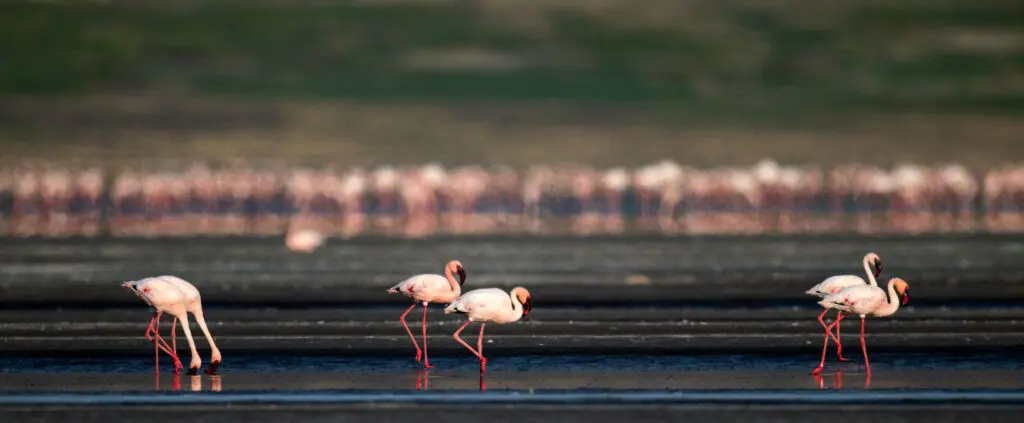
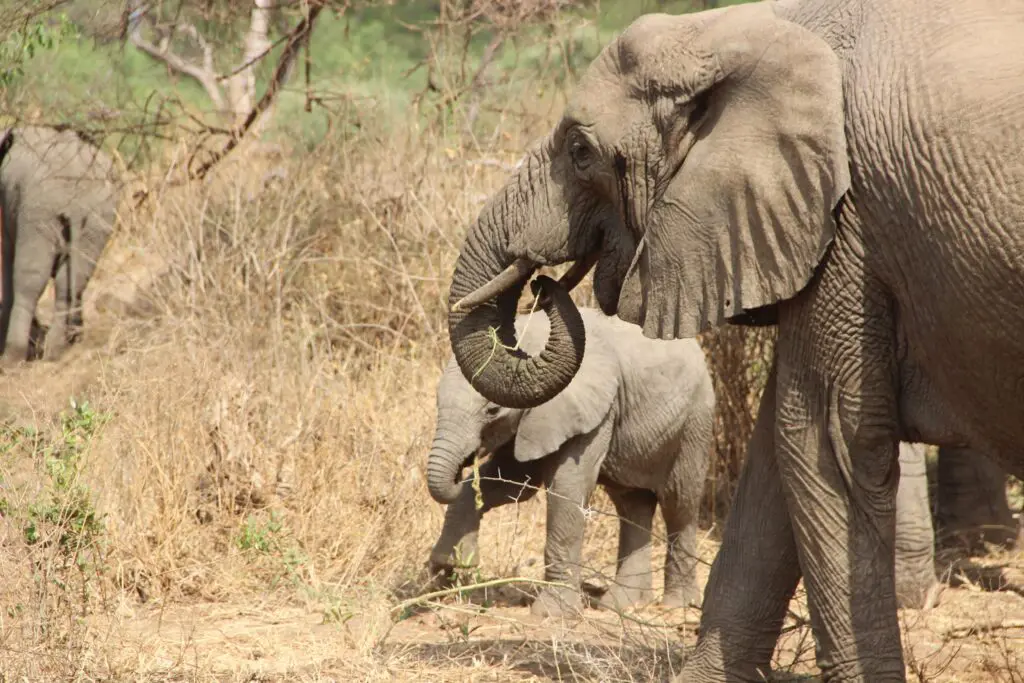
The park is known for its tree climbing lions, large groups of baboons, elephants and rich birdlife. More than 400 bird species have been recorded here, while flamingos can gather around the lake when conditions are right.
Lake Manyara is also easy to include in a safari through northern Tanzania. Its location near Mto wa Mbu makes it a natural stop between Arusha and other safari areas in the Northern Circuit.
Lake Manyara National Park at a glance
Lake Manyara combines many different habitats within one park. This makes the scenery change quickly during a game drive and creates suitable habitats for mammals, birds and primates.
- Country: Tanzania
- Region: Northern Tanzania
- Location: at the foot of the Great Rift Valley
- Size: 648.7 km²
- Distance from Arusha: approximately 125 km
- Driving time from Arusha: approximately 2 to 2.5 hours
- Birdlife: more than 400 species recorded
- Known for: tree climbing lions, flamingos, elephants and varied landscapes
- Nearby town: Mto wa Mbu
- Visiting period: year round
Tanzania National Parks currently lists Lake Manyara National Park at 648.7 km². The main entrance lies close to Mto wa Mbu, around 125 kilometers from Arusha by road. For current official park information, visit the TANAPA Lake Manyara National Park page.
What makes Lake Manyara National Park special?
The character of Lake Manyara lies in its variety. A safari can take you from dense green forest to open plains and onwards towards the lake and wetlands. Each habitat attracts different animals and birds.
The tree climbing lions and flamingos may be the best known residents, but the changing scenery is just as much a part of the experience.
Tree climbing lions
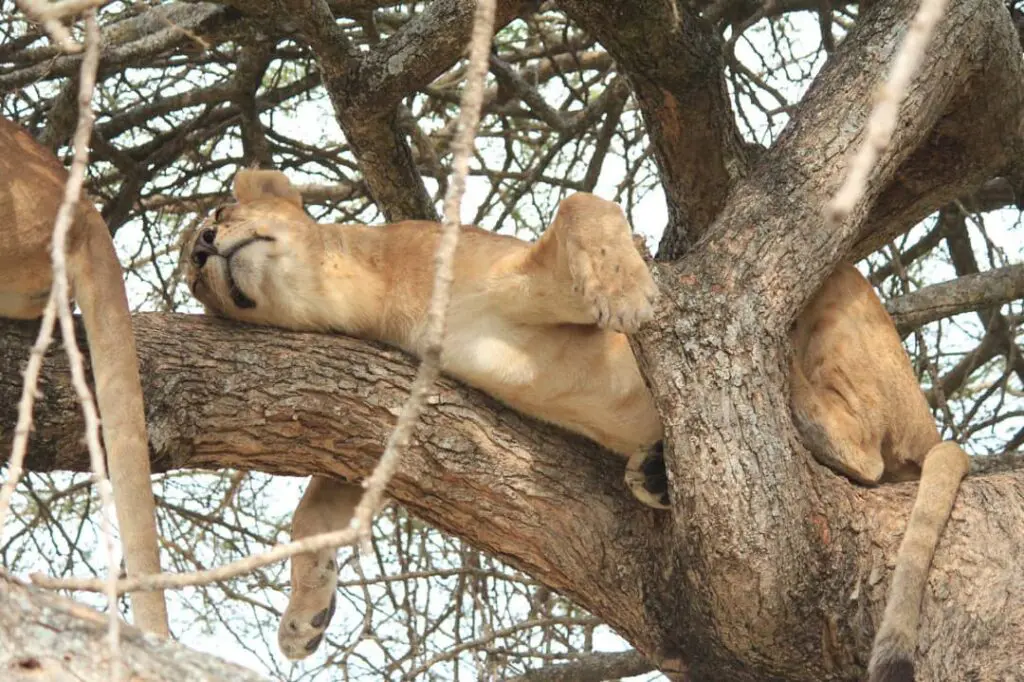
Lake Manyara is closely associated with its tree climbing lions. Lions can sometimes be seen resting in the branches of acacia trees, although sightings always depend on the animals and conditions on the day.
Seeing one therefore takes some luck. It should never be treated as a guaranteed sighting. That uncertainty is part of every safari. You never know exactly what is waiting around the next corner.
Flamingos on Lake Manyara
Lake Manyara is an alkaline lake that provides feeding grounds for many waterbirds. Lesser and greater flamingos can gather along its shores, together with pelicans, storks, herons and other species.
Flamingo numbers are not the same throughout the year. Their presence depends on seasonal conditions, water levels and food availability. A lake filled with pink flamingos is therefore possible, but it cannot be promised on every visit.
For bird lovers, this variation makes Lake Manyara interesting throughout different periods of the year.
From groundwater forest to the Rift Valley
The landscape changes noticeably as you move through Lake Manyara National Park.
Near the entrance, freshwater springs support a lush groundwater forest with tall trees. Blue monkeys and baboons are often associated with this greener part of the park. Further on, the landscape opens towards acacia woodland, floodplains, papyrus wetlands and the alkaline lake.
The Great Rift Valley escarpment rises behind the park and forms a striking backdrop throughout much of the area. Hot springs can also be found along the lakeshore.
These different habitats are one of the reasons why so many species can live within Lake Manyara National Park.
Wildlife in Lake Manyara National Park
Lake Manyara is home to a wide variety of wildlife. During a game drive you may encounter elephants, buffaloes, giraffes, zebras, wildebeest and lions on the plains and in the woodland.
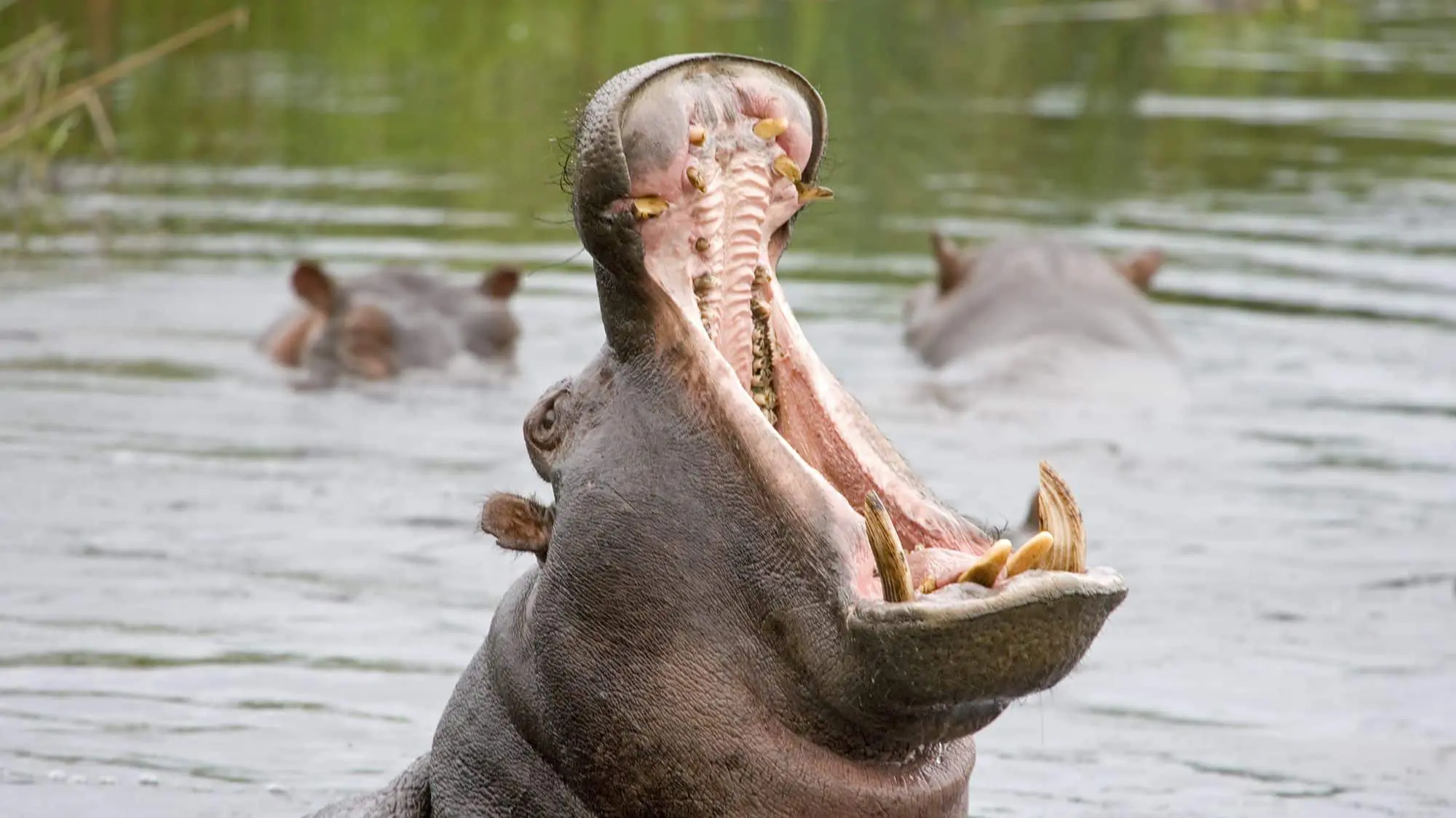
Hippos live around pools and wetlands, while baboons, blue monkeys and bushbuck can be seen in and around the groundwater forest.
Safari sightings can never be planned exactly. The animals move freely through the park, which means that every game drive is different.
Animals you can see in Lake Manyara
Animals recorded in Lake Manyara National Park include elephants, lions, buffaloes, giraffes, zebras, wildebeest, hippos, baboons, blue monkeys and bushbuck.
Some animals are easier to find than others. Your guide will look at the habitat, tracks and activity in the park when searching for wildlife, but nature always decides what you eventually see.
That is also why it is worth looking beyond the famous tree climbing lions. A troop of baboons moving through the forest or elephants appearing between the trees can be just as memorable.
Birdlife around Lake Manyara
More than 400 bird species have been recorded in Lake Manyara National Park, making the area especially interesting for birdwatching.
The wetlands and lakeshore attract waterbirds such as pelicans, storks, herons and spoonbills. Fish eagles can also be found in the area. Forest, woodland and open areas support their own bird species, so the variety changes as you travel through the park.
Binoculars are worth bringing even when birds are not your main reason for visiting. Many species are much easier to appreciate when you can take a closer look.
Things to do in Lake Manyara National Park
A game drive is the main way to experience Lake Manyara, but it is not the only activity available. Birdwatching, viewpoints, boardwalks and the canopy walk offer different ways to see the park and its surroundings.
The activities that can be included depend on your itinerary and the arrangements for your safari.
Go on a game drive
A game drive takes you through the different habitats of Lake Manyara National Park and gives you the chance to look for wildlife along the way.
Because forest, wetlands, open plains and woodland lie close together, the surroundings can change within a relatively short drive. This also means the type of wildlife you are looking for changes as you move through the park.
There is no fixed checklist for a successful game drive. Taking time to watch animal behavior, birds and the landscape is just as much part of the experience as finding one particular species.
Walk among the treetops
Lake Manyara also has a tree top walkway with viewing platforms between the trees. From here you experience the forest from a completely different height and can look for birds, butterflies and monkeys around the canopy.
Read more about the Tree Top Walkway in Lake Manyara National Park if you would like to include this activity in your visit.
Watch birds and enjoy the viewpoints
Lake Manyara is particularly suitable for travelers who enjoy taking time to look around rather than focusing only on larger mammals.
Birdwatching spots, boardwalks and viewpoints offer views across wetlands, the lake and the Rift Valley landscape. Hippo pools and wetland areas can also provide quieter moments where you can simply watch what happens around the water.
What is the best time to visit Lake Manyara?
Lake Manyara National Park can be visited throughout the year. The best period depends mainly on what you hope to see and how you would like to experience the landscape.
Seasonal changes influence vegetation, water levels, birdlife and road conditions. Flamingo numbers around the lake can also vary according to conditions.
During periods of heavier rain, some routes in the park may temporarily become less accessible. Current conditions and advice from guides and park staff should therefore always be taken into account.
There is no single period in which every animal or bird is guaranteed. When Lake Manyara is part of a longer safari through northern Tanzania, it often makes more sense to look at the journey as a whole and choose the travel period that suits the complete itinerary.
Where is Lake Manyara National Park?
Lake Manyara National Park lies in northern Tanzania, just south of Mto wa Mbu and at the base of the Great Rift Valley escarpment.
The main entrance is approximately 125 kilometers by road from Arusha. The journey generally takes around 2 to 2.5 hours under normal conditions.
Its location makes Lake Manyara suitable for combining with several other safari areas in northern Tanzania. The exact order of the parks depends on the route you choose and where you stay.
How does Lake Manyara fit into a northern Tanzania safari?
Lake Manyara forms part of Tanzania’s Northern Circuit and can be combined with destinations such as Ngorongoro, Serengeti and Tarangire.
This makes the park particularly interesting for travelers who want to experience different landscapes during one safari. Lake Manyara adds forest, wetlands, an alkaline lake and Rift Valley scenery to a route that may look very different again a day later.
Many travelers visit Lake Manyara for a day, while an overnight stay in the surrounding area is another option. The right choice depends on the rest of your route.
See our safaris in Tanzania to see how Lake Manyara can form part of a longer journey. You can also view our 8 Days Zanzibar & Lake Manyara trip for an example of a journey that includes the park.
Staying near Lake Manyara National Park
There are several places to stay around Lake Manyara, Mto wa Mbu and the wider Rift Valley area. The right location depends on where you are coming from and where your safari continues the next day.
Paradise & Wilderness has several accommodations in the Manyara region. Africa Safari Manyara Escarpment offers a stay close to Lake Manyara and the Rift Valley, while Africa Safari Manyara Migombani lies close to the national park.
Another option is Africa Safari Rift Valley, which can be included depending on the route of your safari.
Where you stay is best considered as part of the complete journey rather than as a separate decision.
Practical information for visiting Lake Manyara
A little preparation helps you enjoy the park comfortably. Keep your passport or identification and park documents available for checks at the entrance. Remain inside your vehicle unless you are at a designated area or boardwalk and always keep a safe distance from wildlife.
Bring sun protection, insect repellent and binoculars. Neutral colored clothing is practical for a safari day.
Some activities can involve additional charges. Because official tariffs can change, current fees should always be checked when your safari is planned rather than relying on an old price found online.
When you travel with Paradise & Wilderness, the park visits included in your safari are arranged as part of your itinerary. Our team can also help you understand which activities fit naturally into your route.
Experience Lake Manyara as part of your Tanzania journey
Lake Manyara offers something different from the wide plains many people first picture when they think of a Tanzania safari. Forest, wetlands, the Rift Valley and the lake create a varied setting where there is always something to watch, from elephants and baboons to waterbirds along the shore.
It also fits naturally into a wider journey through northern Tanzania.
Would you like to know how Lake Manyara can fit into your route? Tell us what you would like to see and how you prefer to travel. Together we can look at a safari that suits your wishes and gives each place enough time.
Ask us about your Tanzania safari
Frequently asked questions about Lake Manyara National Park
These practical questions can help when deciding whether Lake Manyara fits into your Tanzania safari.
Can you visit Lake Manyara National Park in one day?
Yes, Lake Manyara National Park can be visited in one day. A day visit gives you time for a game drive through several of the park’s habitats. An overnight stay near the park can also work well when Lake Manyara is part of a longer Northern Circuit route.
Do you have to stay overnight at Lake Manyara?
No, you do not have to stay overnight at Lake Manyara. Both day visits and overnight stays are possible. The best option depends on the rest of your safari route, the activities you want to include and where you travel next.
Are flamingos always at Lake Manyara?
No, flamingos are not always present at Lake Manyara in the same numbers. Their presence is seasonal and depends on conditions around the alkaline lake. Flamingos can gather in large groups when conditions are suitable, but this should never be presented as a guaranteed sighting.
Can you always see tree climbing lions in Lake Manyara?
No, you cannot always see tree climbing lions in Lake Manyara. The park is known for lions resting in trees, especially around acacia woodland, but sightings depend on where the lions are at the time of your visit.
What should you bring to Lake Manyara National Park?
For Lake Manyara National Park, bring drinking water, sun protection, insect repellent and binoculars. Follow the instructions of your guide and park staff, particularly around elephants, hippo pools and other wildlife areas.
Can Lake Manyara be combined with Serengeti and Ngorongoro?
Yes, Lake Manyara can be combined with Serengeti and Ngorongoro as part of a safari through northern Tanzania. Its location within the Northern Circuit makes it a natural addition to many safari routes.
Practical information
Location: Lake Manyara National Park is located in the northern region of Tanzania, about 126 kilometers southwest of Arusha.
Entrance fee: The entrance fee may vary depending on your age and period of your visit. This entrance fee (Park fee) is always included in our tours.
Best time to visit: The dry period December to April and June to October are generally the best periods for wildlife safaris, as animals tend to gather at water sources. However, the park is good to visit all year round, with many chances of spotting wildlife.
Climate: The climate in this area is generally hot and humid, but temperatures can vary depending on the season.
Tarangire National Park
Marching herds of elephants
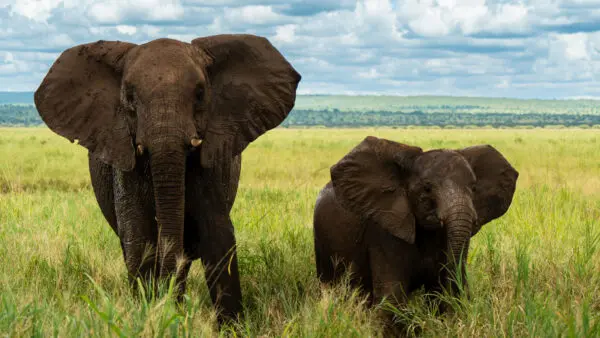
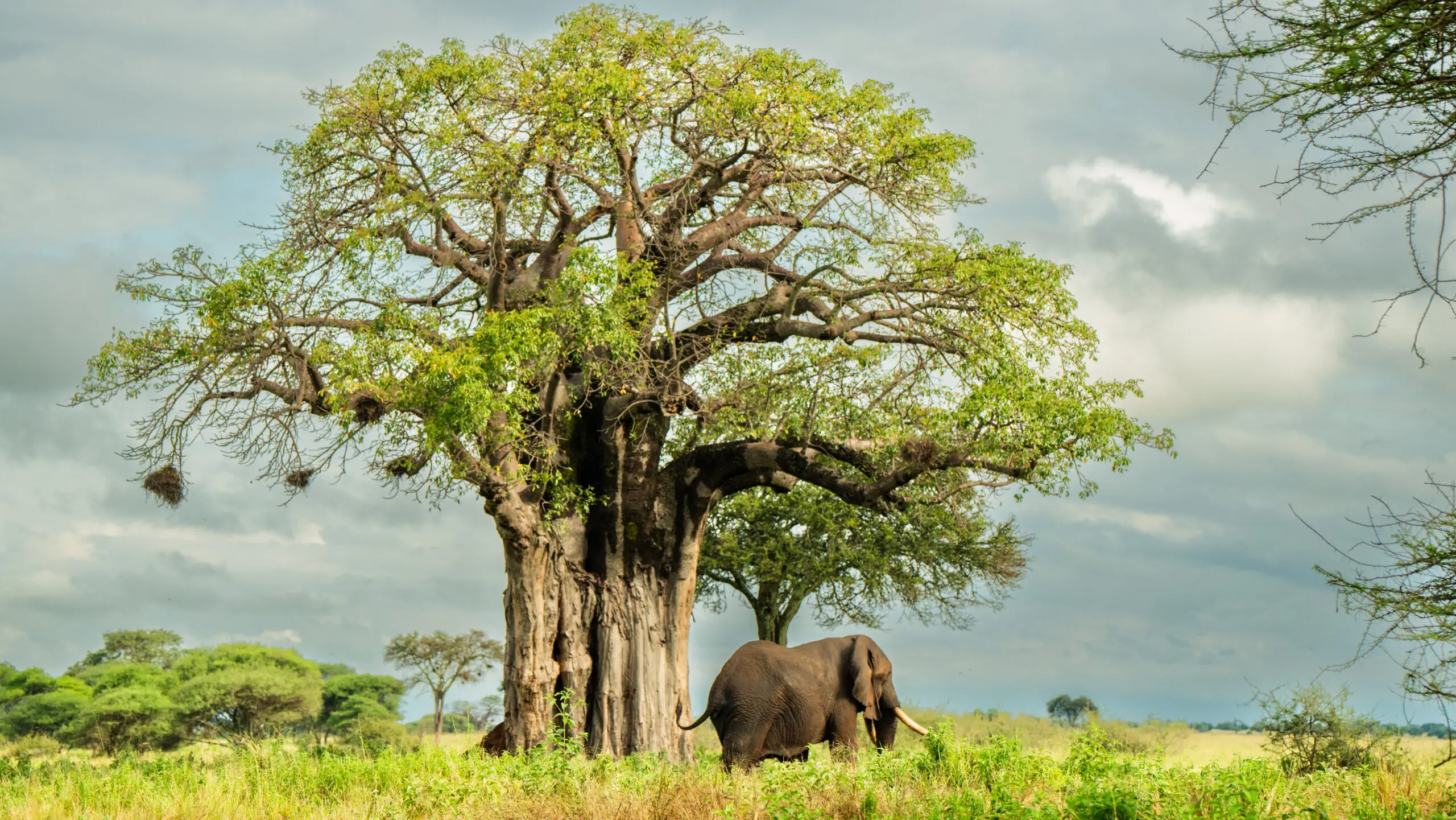
Tarangire National Park is a fun and impressive wildlife park! On the way from Arusha to Lake Manyara you will pass this beautiful wildlife park, which is known for its large groups of elephants and ancient Baobab trees. There is plenty of wildlife to see, as a large river flows through it and the terrain is open.
In the dry season, the Tarangire River is the only permanent source of water for all wildlife and thus the place to easily spot wildlife. Tarangire National Park is 2850 square kilometers, making it the sixth largest park in Tanzania. After Serengeti National Park it offers the highest concentration of wildlife. Tarangire is known for its Baobab trees. Their impressive, thick trunks store water and provide a source of food and shade for many animal species. These iconic trees are not only a natural treasure, but also a symbol of the beauty and resilience of the African wilderness.
Wildlife you can spot:
Wildebeest | Zebras | Buffalo | Gazelles | Rhinos | Warthogs | Impalas | Pythons | Lions | Leopards | Nearly 500 bird species
Wildlife of the Tarangire National Park
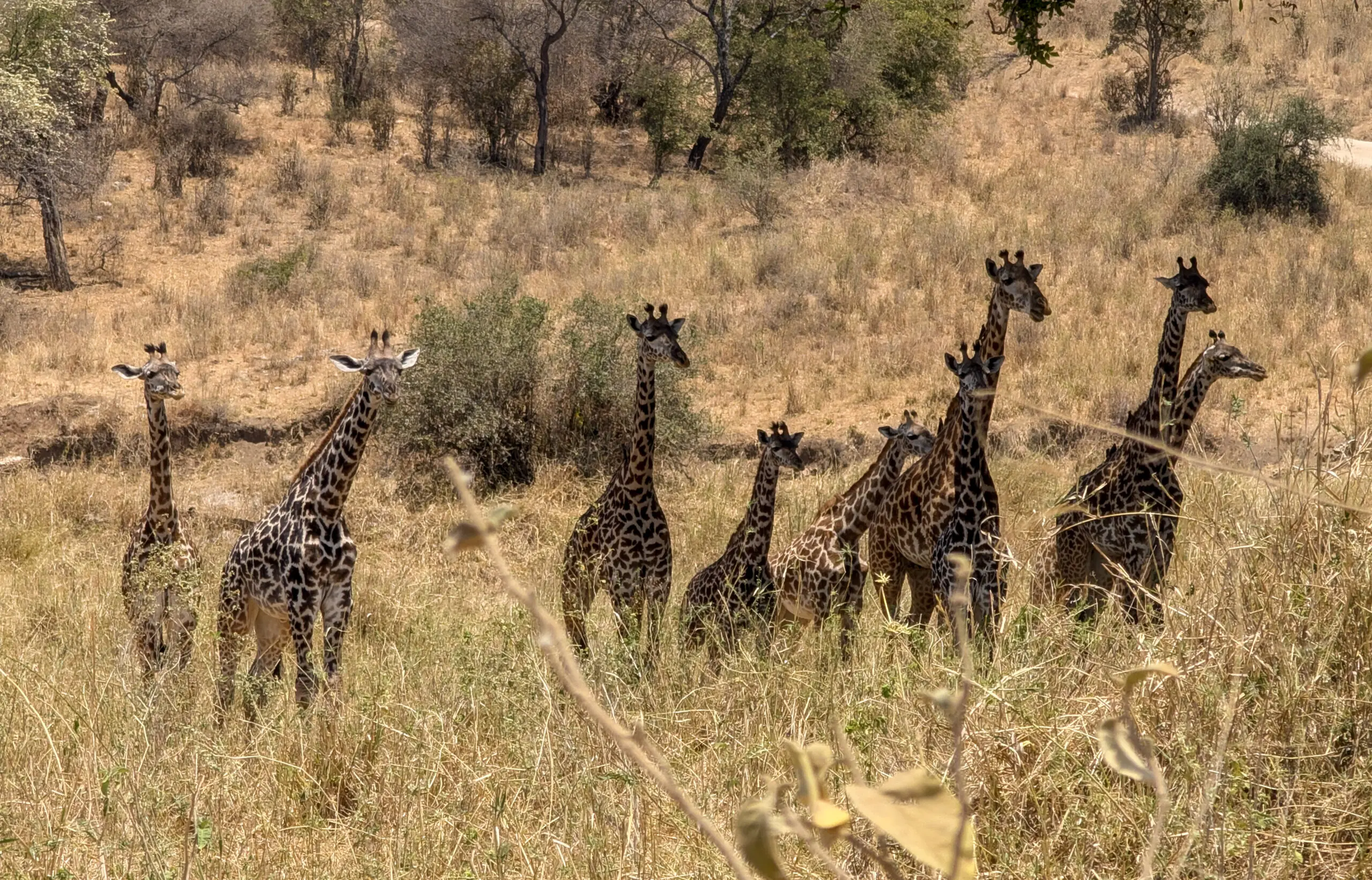
Tarangire National Park in Tanzania is known for its abundance of wildlife and as wonderful safari experiences. Here you can see huge elephants roaming in large herds, feasting on the succulent vegetation. The park is also home to troops of baboons playfully swinging through the trees, leopards lurking in the shade, lions dominating the savannah and countless giraffes walking elegantly along the horizon. With its rich and varied wildlife, Tarangire NP offers an unforgettable adventure for nature and safari lovers.
Practical information
Location: Tarangire National Park is located in northern Tanzania, about 120 kilometers southeast of the city of Arusha.
Entrance fee: The entrance fee may vary depending on your age and period of your visit. This entrance fee (park fee) is always included in our tours.
Best time to visit: The dry period December to April and June to October are the best times to visit Tarangire, as wildlife gathers near the Tarangire River, giving you excellent opportunities to spot animals. However, the park is good to visit all year round, with many chances to spot wildlife.
Climate: The climate in Tarangire is generally hot and dry, with higher temperatures during the dry season.
Ikona Wildlife Management Area
What makes Ikona Wildlife Management Area special?
As soon as you enter the Ikona area, silence and endless plains surround you, turning into vast savannas. Here, nature still lives at its own pace. You feel free and momentarily detached from the hustle and bustle of everyday life. Located on the edge of the Serengeti, Ikona is an important transit area for the Great Migration of wildebeest and zebra.
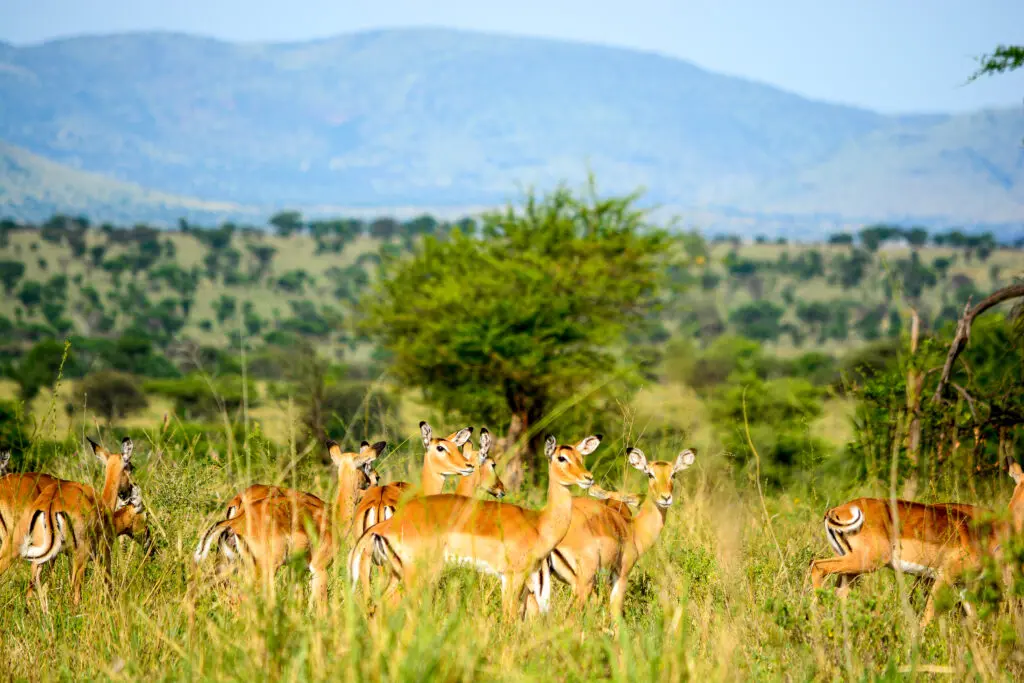
Among acacia trees, open grasslands and eroded riverbeds, elephants, giraffes, lions and countless antelope species live side by side and with each other. If you listen carefully, you will hear the constant birdsong, and with attention, wildlife can be spotted everywhere. Everything here is about balance: between man and nature, between protection and experience.
Ikona is a community-driven Wildlife Management Area where local communities and nature work together. Remote, pure and rich in wildlife, perfect for those seeking the real Africa.
What animals can you spot in Ikona?
Wildebeests | Elephants | Lions | Buffalo | Giraffes | Waterbucks | Warthogs | Leopards | Antelopes | Zebras | Hippos | Black-and-white colobus monkeys | Crocodiles
On the edge of the Serengeti: the passage of the Great Migration
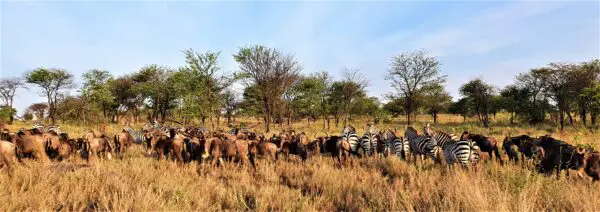
Because of its location adjacent to the Serengeti, Ikona acts as a corridor for migrating herds. In the dry season, wildebeest and zebra migrate through the grasslands and along the riverbeds, followed by predators. This provides dynamic safari moments with hunting and grazing scenes in a rugged, less crowded setting.
The difference between Ikona and other (national) parks
Whereas famous parks like the Serengeti excel in grandeur and visitor numbers, Ikona actually offers a smaller-scale, quieter experience. As a Wildlife Management Area, the emphasis is on community involvement and wildlife management, with activities you’re less likely to find elsewhere: guided walking safaris and night game drives. That makes Ikona ideal for travelers who seek depth, want to be close to nature and deliberately keep the impact on the environment small.
Walking safari & Night game drive
In Ikona Wildlife Management Area, you have the unique opportunity to explore the park on foot and then take a game drive at night. A nice change from the many car rides during your trip in northern Tanzania.
Click here for more information about the walking safari in IKONA.
Click here for more information about the Night Game Drive in IKONA
Practical information
Location: Ikona Wildlife Management Area is located on the edge of Serengeti National Park
Best time to visit: The dry seasons from December to March and June to October are the best times to visit this park. At this time of year, wild animals gather around the waterholes, making it easier to spot them. What’s more, between May and October you have the best chance of seeing the Great Migration here
Pololeti Game Reserve
The hidden gem of northern Tanzania
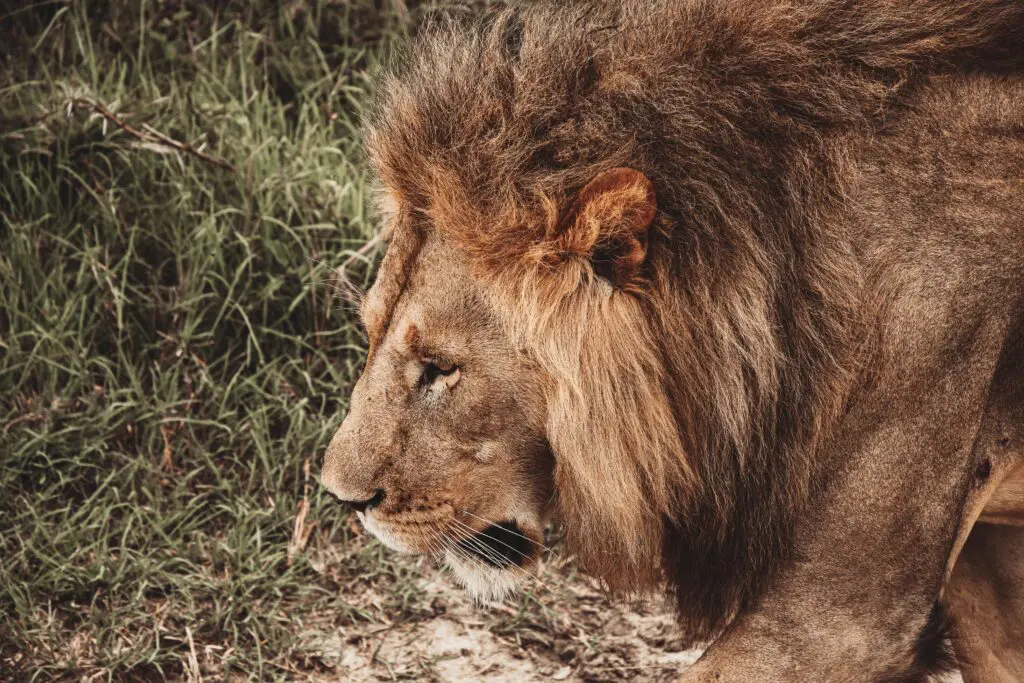
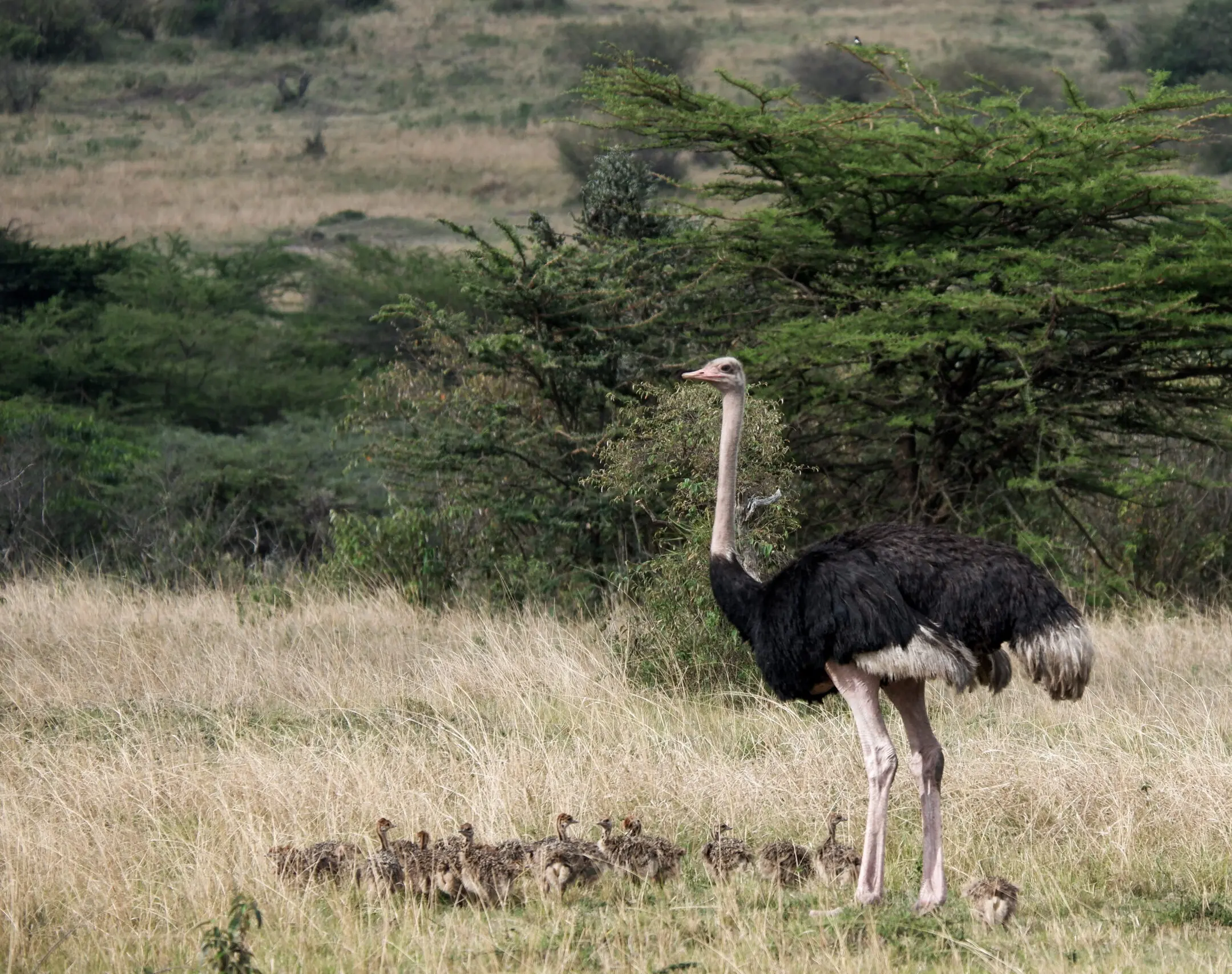
The Pololeti Game Reserve is part of the Loliondo Game Controlled Area, now under the NCAA (Ngorongoro Conservation Area Authority). An important area for wildebeest and an intermediate area for animals from Serengeti NP. Because wildlife knows no boundaries, you will find a wide variety of wildlife here, including hunting lions, roaming elephants, grazing buffalo, running antelope and more.
Pololeti Game Reserve is a vast and beautiful nature reserve and is known for its pristine natural beauty and diverse wildlife populations. This area includes a wide range of ecosystems, including savannahs, forests and wetlands, which provide habitat for a rich variety of animals.
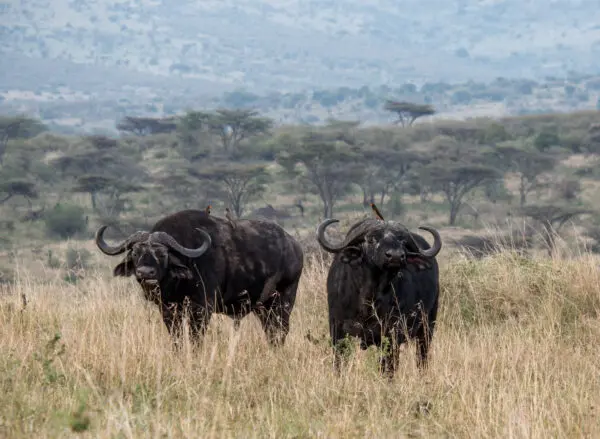
The game reserve is home to the iconic Big Five, including lions, elephants, leopards, buffalo and rhinos. It is also a haven for many other animal species, including giraffes, zebras, cheetahs and numerous bird species. The region offers exceptional safari experiences, with opportunities for game drives, guided walks and cultural encounters with local Maasai communities.
With a visit to this area, you’ll be treated to a truly authentic safari adventure, away from the crowds, where the focus is on conserving the remarkable wildlife and preserving the pristine natural environment.
Wildlife you can spot:
Lions | Elephants | Leopards | Buffalo | Rhinos | Giraffes | Zebras | Wildebeests | Cheetahs | Hyenas | Elk | Gazelles | Impalas | Crocodiles | Hippos | Dikdiks | Numerous bird species | Meerkats
Practical information
Location: Pololeti Game Reserve is located in northern Tanzania, against the Kenyan border, on the border with Northern Serengeti National Park (Kleins gate).
Entrance fee: The entrance fee may vary depending on your age and period of your visit. This entrance fee (Park fee) is always included in our tours.
Best time to visit: The dry period December to April and June to October are generally the best periods for wildlife safaris, as animals tend to gather at water sources. However, the park is good to visit all year round, with many chances of spotting wildlife.
Climate: The climate can vary, but generally it is warm during the day and cool at night.
Prices
| Number of people | Low season | Mid season | High season |
|---|---|---|---|
| 2 people | €3,459 | €4,385 | €4,759 |
| 4 people | €2,808 | €3,532 | €3,720 |
| 6 people | €2,591 | €3,249 | €3,373 |
| Other | On request | ||
* The displayed package prices exclude international flights. If preferred, we can include international flights when preparing your personalised quotation.
Includes
- Domestic flight
- Accommodations according to daily program
- Full board care
- Water in the safari jeep
- Pick-up & Drop-off at the airport or in Arusha
- Park fees for the national parks described
- WMA + GCA Concession/Conservation fees
- African 4×4 safari jeep with pop-up roof and large windows
- English-speaking private driver/guide
- Game drives & excursions as per daily program
- Booking fee
Excludes
- International flights
- Visa
- Insurance
- Drinks
- $2.50 p.p.p.n. Tourism Development Levy and Village fee
- Contribution SGR à €5 p.p.
- Contribution Calamity Fund at €2,50 per booking of max. 9 persons
- All items of a personal nature
- Anything not mentioned in the itinerary
Domestic flight
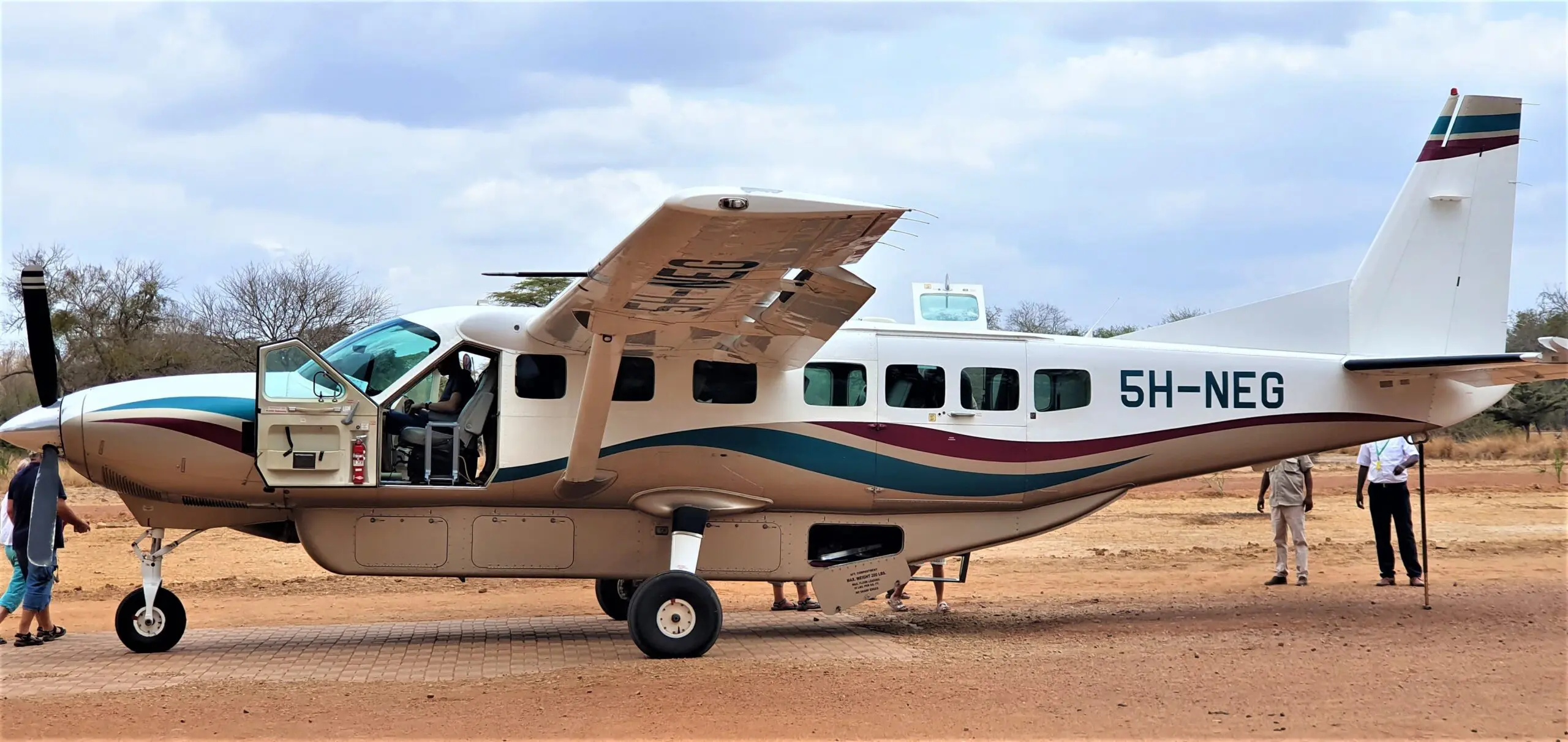
This package includes a domestic flight. This is a fast, convenient and safe way to travel across the vast and diverse landscapes of the country. We work with several local airlines and even fly several routes with our own plane. You are allowed +/- 15 kg of luggage per person in a soft suitcase or (weekend) bag during the domestic flight, plus hand luggage.
Safari Jeep
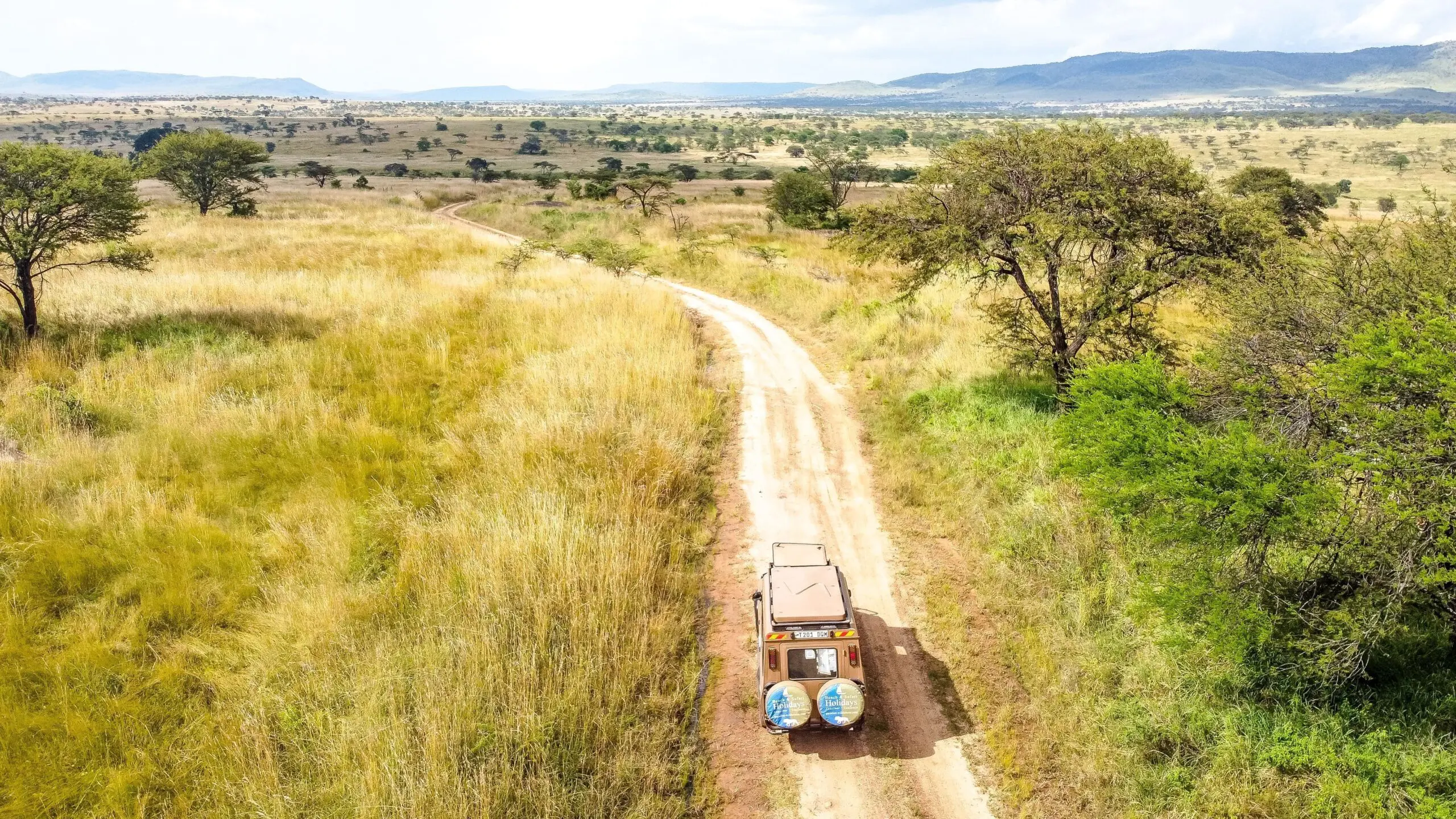
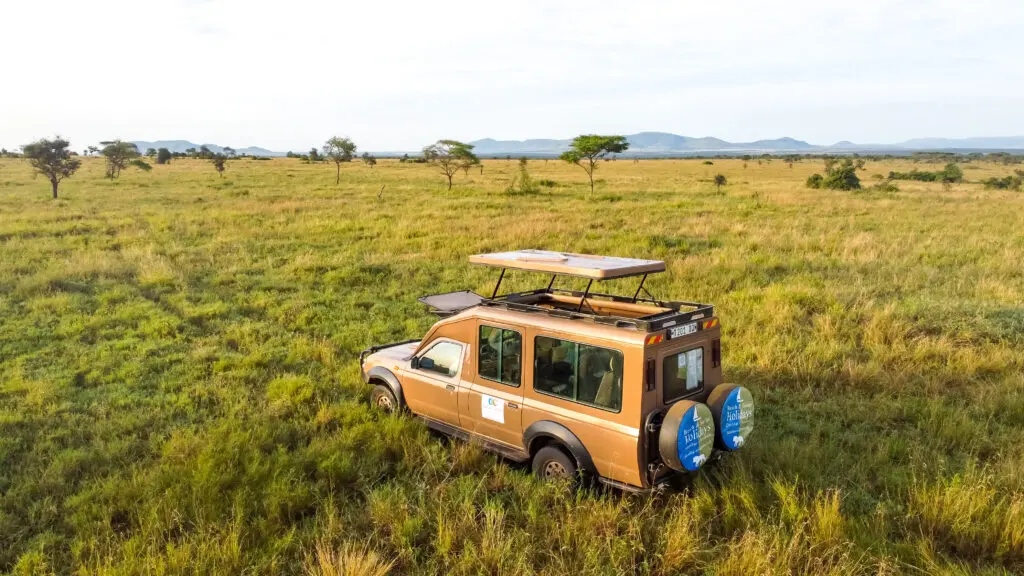
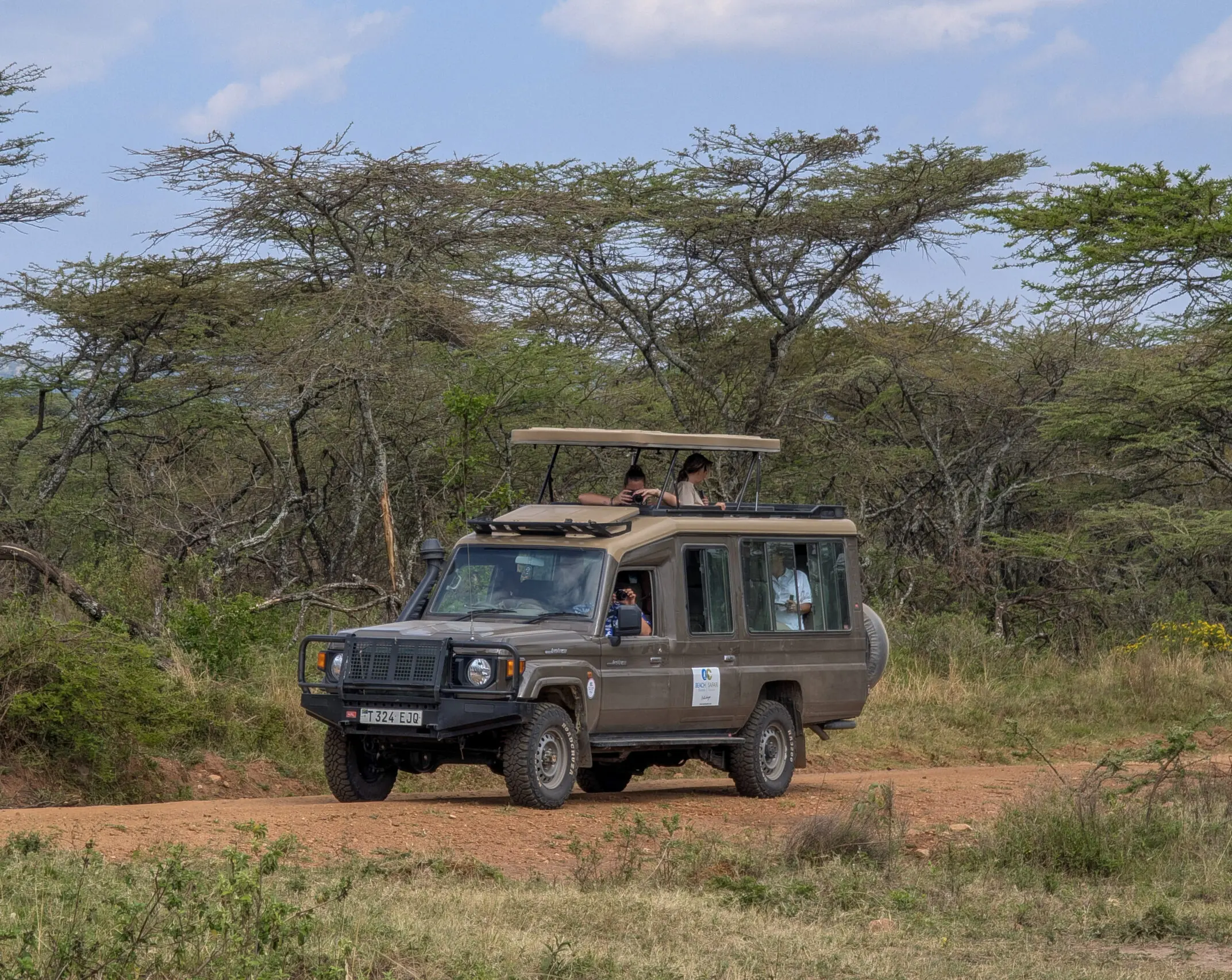
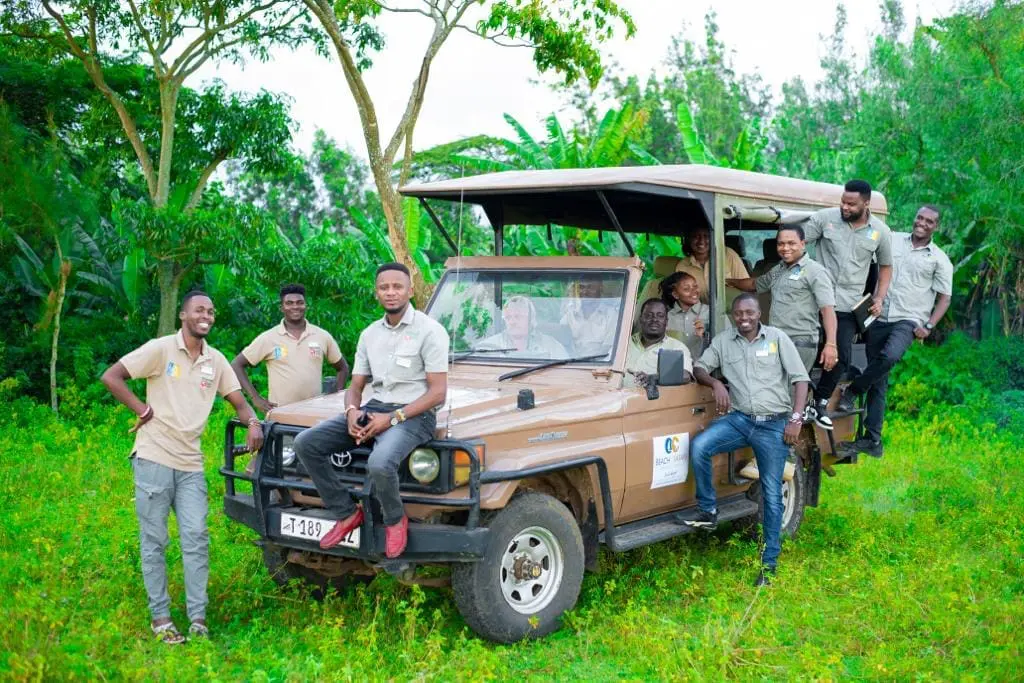
During this safari tour, you will travel around in a 4×4 safari jeep with pop-up roof. This, with four-wheel drive, safari jeep is perfect for taking photos. The vehicles have low emissions, so make less noise. This allows you to get quite close to the wild animals without disturbing or scaring them off.
The safari jeeps are well maintained and have comfortable seats and a cooler for cold water. Our English-speaking driver/guide has extensive knowledge of flora and fauna. He makes sure you get to see the best of the national parks. He will give you as much time as you need to ask questions, take pictures and enjoy the beautiful scenery.
Distances in Tanzania and Zanzibar
The vast scale of Tanzania and Zanzibar means your safari covers many travel distances — road trips that reveal the country's nature and let you experience its different ecosystems, cultures and landscapes, from the Serengeti plains to Kilimanjaro and the white beaches of Zanzibar.
View the distances| From | To | Duration |
|---|---|---|
| Kilimanjaro Airport | Africa Safari Arusha | +/- 1.5 hour |
| Kilimanjaro Airport | Africa Safari Manyara Escarpment | +/- 3.5 hour |
| Kilimanjaro Airport | Africa Safari Rift Valley | +/- 3.5 hour |
| Arusha Airport | Africa Safari Lake Manyara | +/- 2 hours |
| Arusha Airport | Tarangire National Park | +/- 2.5 hour |
| Africa Safari Arusha | Arusha Airport | +/- 20 min |
| Africa Safari Arusha | Arusha National Park | +/- 1 hour |
| Africa Safari Arusha | Lake Manyara National Park | +/- 2 hours |
| Africa Safari Arusha | Lake Natron | +/- 6 hours |
| Africa Safari Arusha | Tarangire National Park | +/- 2 hours |
| Africa Safari Manyara Escarpment | Arusha National Park | +/- 2.5 hours |
| Africa Safari Manyara Escarpment | Lake Manyara National Park | +/- 10 min. |
| Africa Safari Manyara Escarpment | Lake Natron | +/- 3 hours |
| Africa Safari Manyara Escarpment | Ngorongoro Crater | +/- 1 hour |
| Africa Safari Manyara Escarpment | Serengeti National Park | +/- 5 hours |
| Africa Safari Manyara Escarpment | Tarangire National Park | +/- 50 min |
| Africa Safari Karatu | Africa Safari Arusha | +/- 3 hours |
| Africa Safari Karatu | Africa Safari Manyara Escarpment | +/- 45 min. |
| Africa Safari Karatu | Africa Safari Rift Valley | +/- 30 min. |
| Africa Safari Karatu | Lake Manyara National Park | +/- 45 min. |
| Africa Safari Karatu | Ngorongoro Crater | +/- 30 min. |
| Africa Safari Karatu | Tarangire National Park | +/- 2 hours |
| Africa Safari Rift Valley | Lake Manyara National Park | +/- 10 min. |
| Africa Safari Rift Valley | Tarangire National Park | +/- 50 min |
| Africa Safari Rift Valley | Ngorongoro Crater | +/- 1 hour |
| Africa Safari Rift Valley | Serengeti National Park | +/- 5 hours |
| Africa Safari Rift Valley | Arusha National Park | +/- 2 hours |
| Africa Safari Lake Natron | Lake Manyara / Africa Safari Manyara Escarpment | +/- 3 hours |
| Africa Safari Lake Natron | North Serengeti / Africa Safari Maasia Boma | +/- 4.5 hours |
| Africa Safari Lake Natron | Arusha / Arusha Airport | +/- 6 hours |
| Africa Safari Maasai Boma | Africa Safari Serengeti Ikoma | +/- 4 hours |
| Africa Safari Maasai Boma | Africa Safari South Serengeti / Ndutu | +/- 4 hours |
| Africa Safari Maasai Boma | Lake Natron / Africa Safari Lake Natron | +/- 4.5 hours |
| Africa Safari Serengeti Ikoma | Africa Safari Karatu | +/- 6 hours |
| Africa Safari Serengeti Ikoma | Seronera airstrip | +/- 15 min |
| Africa Safari Serengeti Ikoma | Ngorongoro Crater | +/- 3.5 hours |
| Africa Safari South Serengeti | Ngorongoro Crater | +/- 1.5 hour |
| Africa Safari South Serengeti | Africa Safari Serengeti Ikoma | +/- 3 hours |
| Africa Safari South Serengeti | Africa Safari Manyara Escarpment | +/- 2.5 hours |
| Africa Safari South Serengeti | Africa Safari Karatu | +/- 2 hours |
| Zanzibar Airport | Reef & Beach Resort | +/- 1.5 hour |
| Zanzibar Airport | Zanzibar Bay Resort / Paradise Beach Resort | +/- 45 min |
| Zanzibar Airport | Dream of Zanzibar | +/- 45 min |
| Zanzibar Airport | Shaba Boutique Hotel / Stone Town | +/- 15 min |
Round trips
Browse our inspirational trips to Tanzania and/or Zanzibar, each tailorable to your wishes.
13 Days | Complete Northern Circuit
Choose this ultimate safari tour of northern Tanzania, where the heart of African wilderness...
11 Days | Complete Northern Circuit
Northern Tanzania is home to the world’s finest wildlife parks in Africa, offering an ...
10 Days | Highlights Northern Tanzania
Join us on an extraordinary safari tour of the diverse areas of northern Tanzania, where unt...
10 Days | National Parks in Northern Tanzania & Zanzibar
Discover enchanting customs and traditions on this inspiring 10-day tour of Tanzania and Zan...