





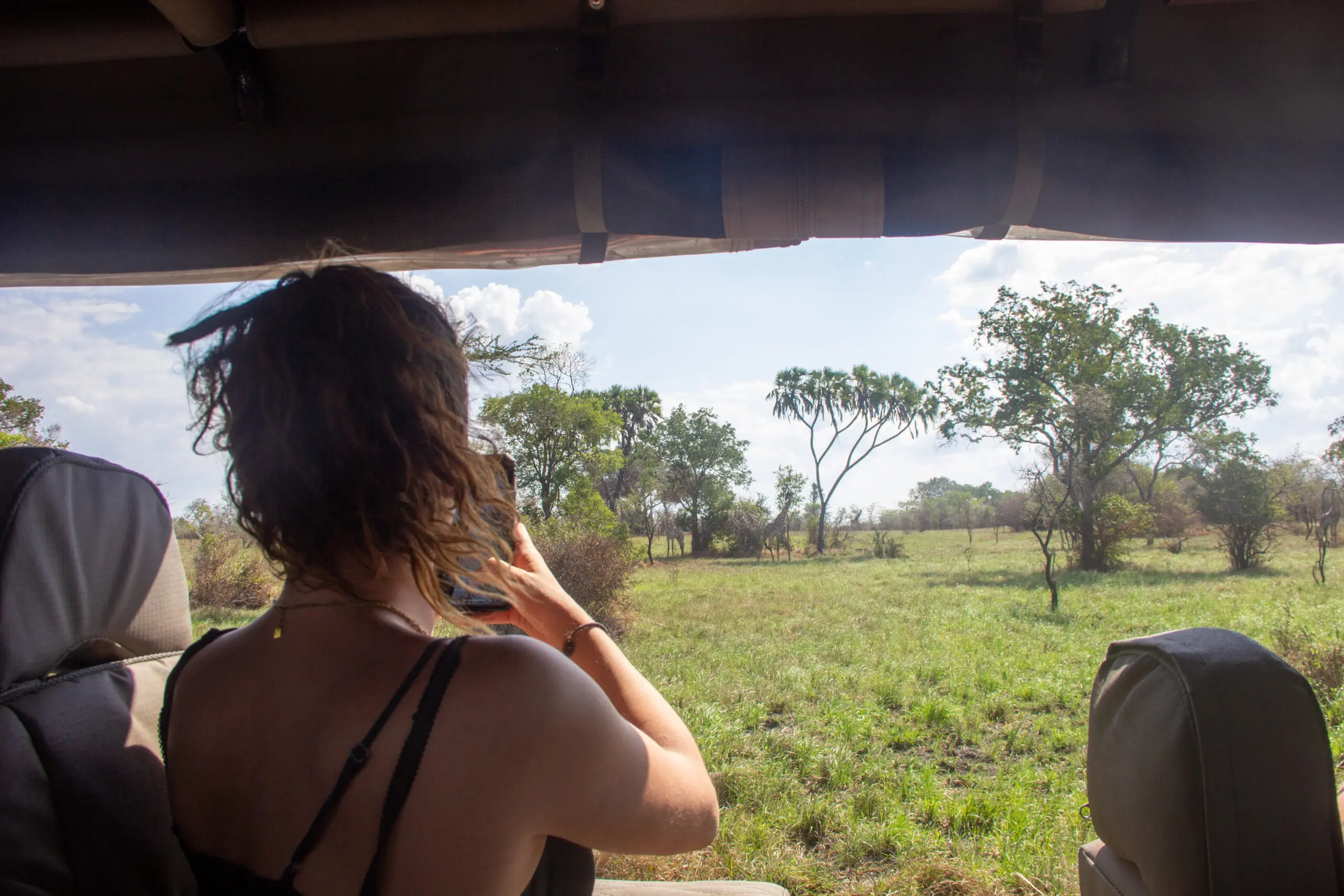
What animals will you encounter on safari in Tanzania?
During a safari in Tanzania, you may encounter lions, elephants, giraffes, zebras, wildebeest, buffalo, cheetahs, leopards, hippos, crocodiles, monkeys and hundreds of bird species. Which animals you see depends on the park, the season, the landscape and the time of day.
Wild animals move freely through Tanzania’s national parks and reserves. Sightings can therefore never be guaranteed. That unpredictability is also what makes every safari different.
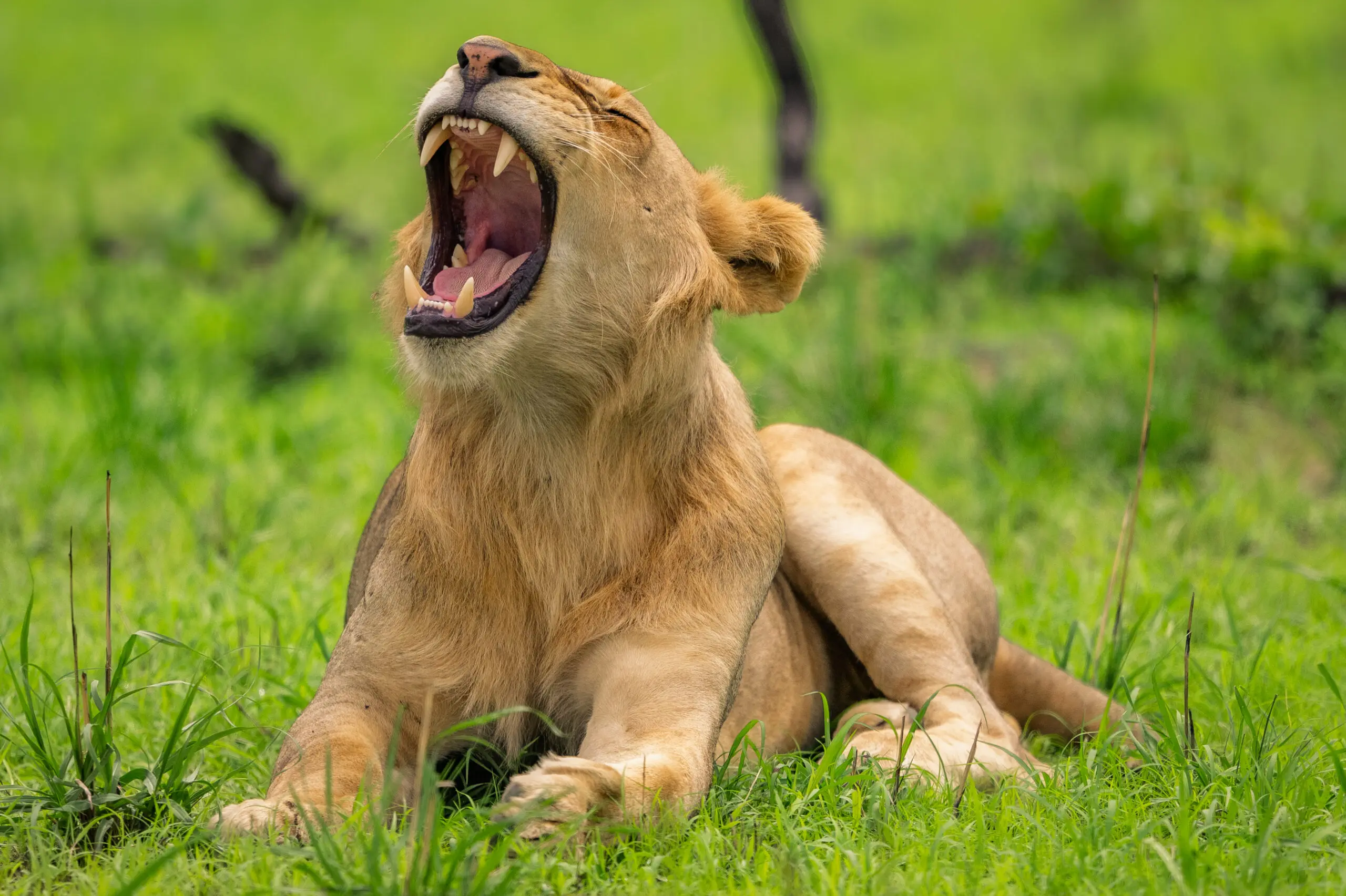
What animals live in Tanzania?
Tanzania has open grasslands, dry savannas, forests, lakes, swamps, rivers and coastal ecosystems. Each landscape provides a habitat for different animals.
A safari in Tanzania is therefore not only about finding the largest species. Birds, monkeys, smaller predators, animal tracks and the behavior of herds are all part of the experience.
Which animals are part of the Big Five?
The Big Five consists of the lion, leopard, African elephant, black rhino and African buffalo. The name does not refer to the five largest animals in Africa. It originated during the hunting era and described five animals that were considered difficult and dangerous to approach on foot.
Today, the term is used by safari travelers hoping to observe these animals responsibly in their natural habitat.
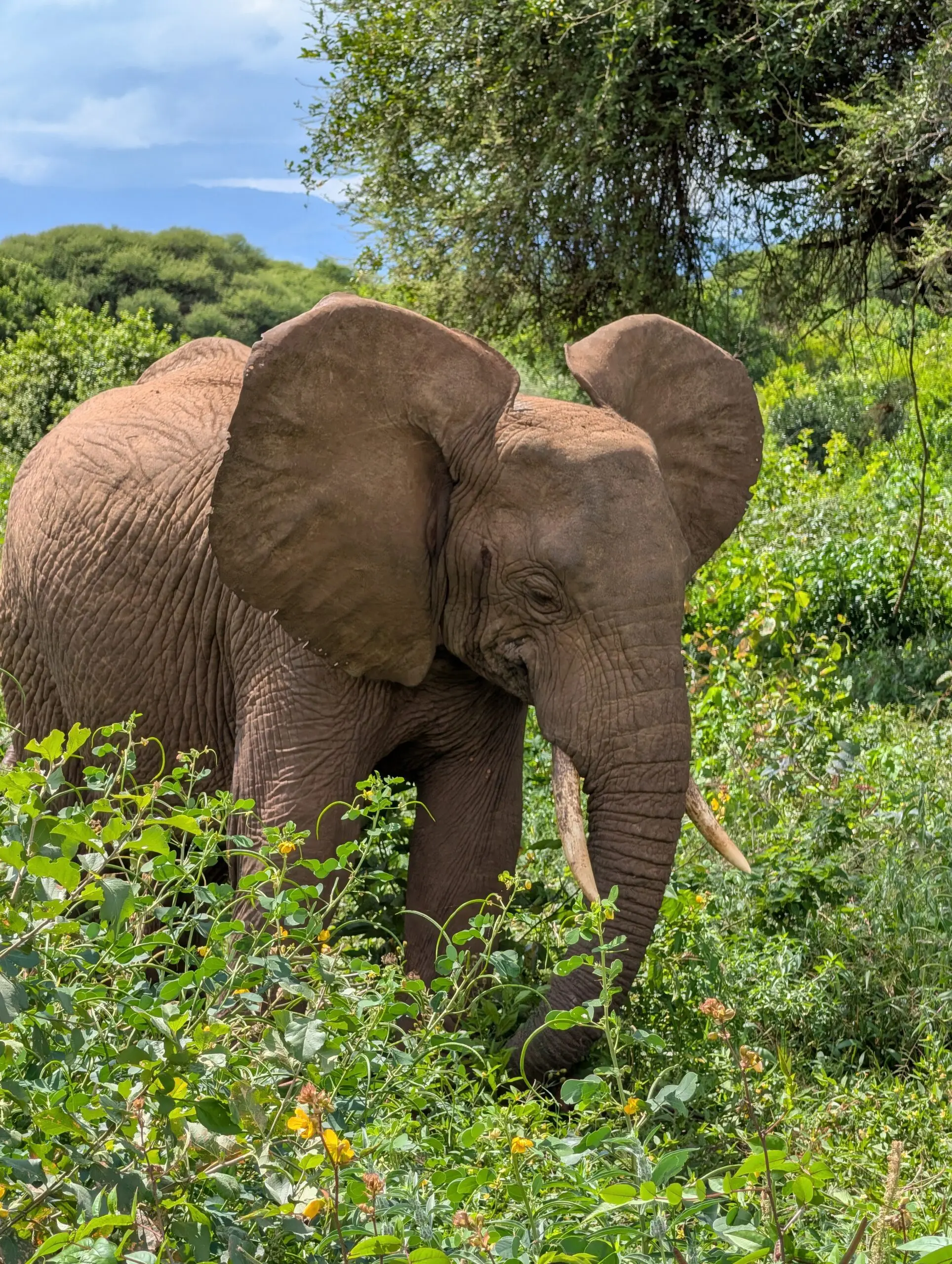
Which grazers and browsers live on Tanzania’s savannas?
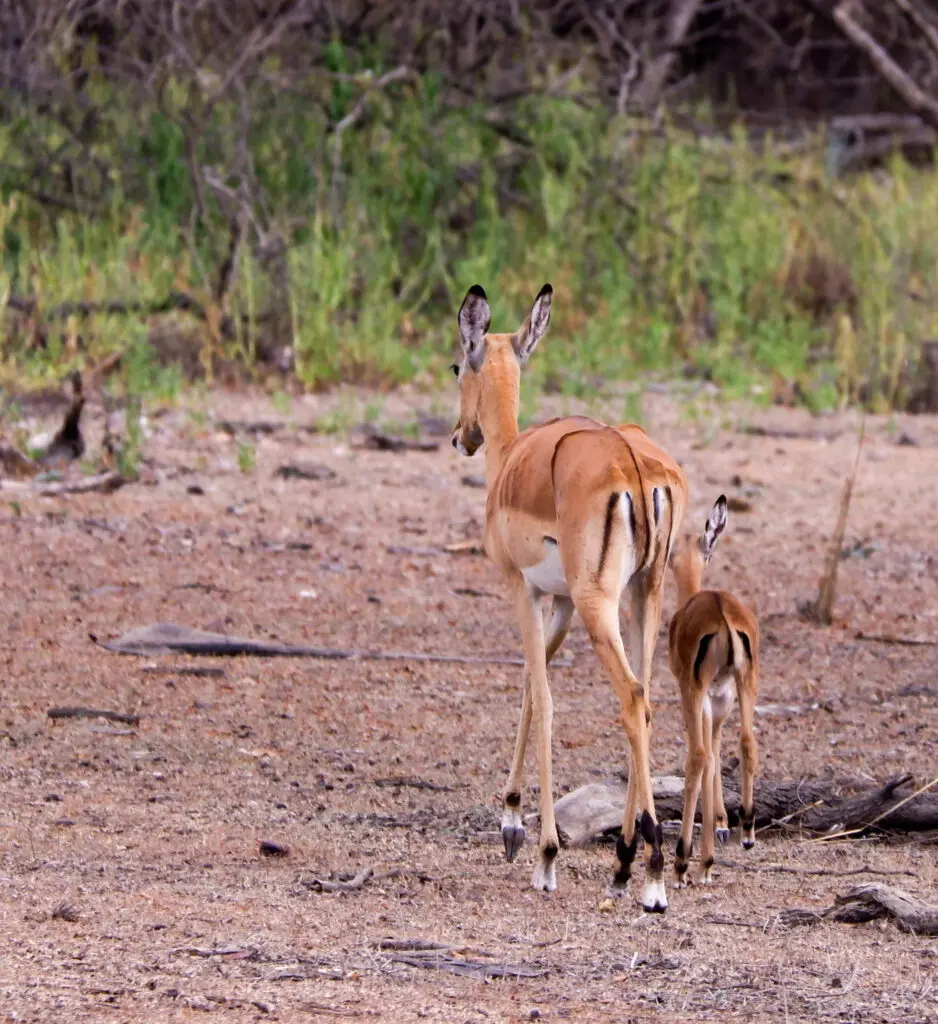
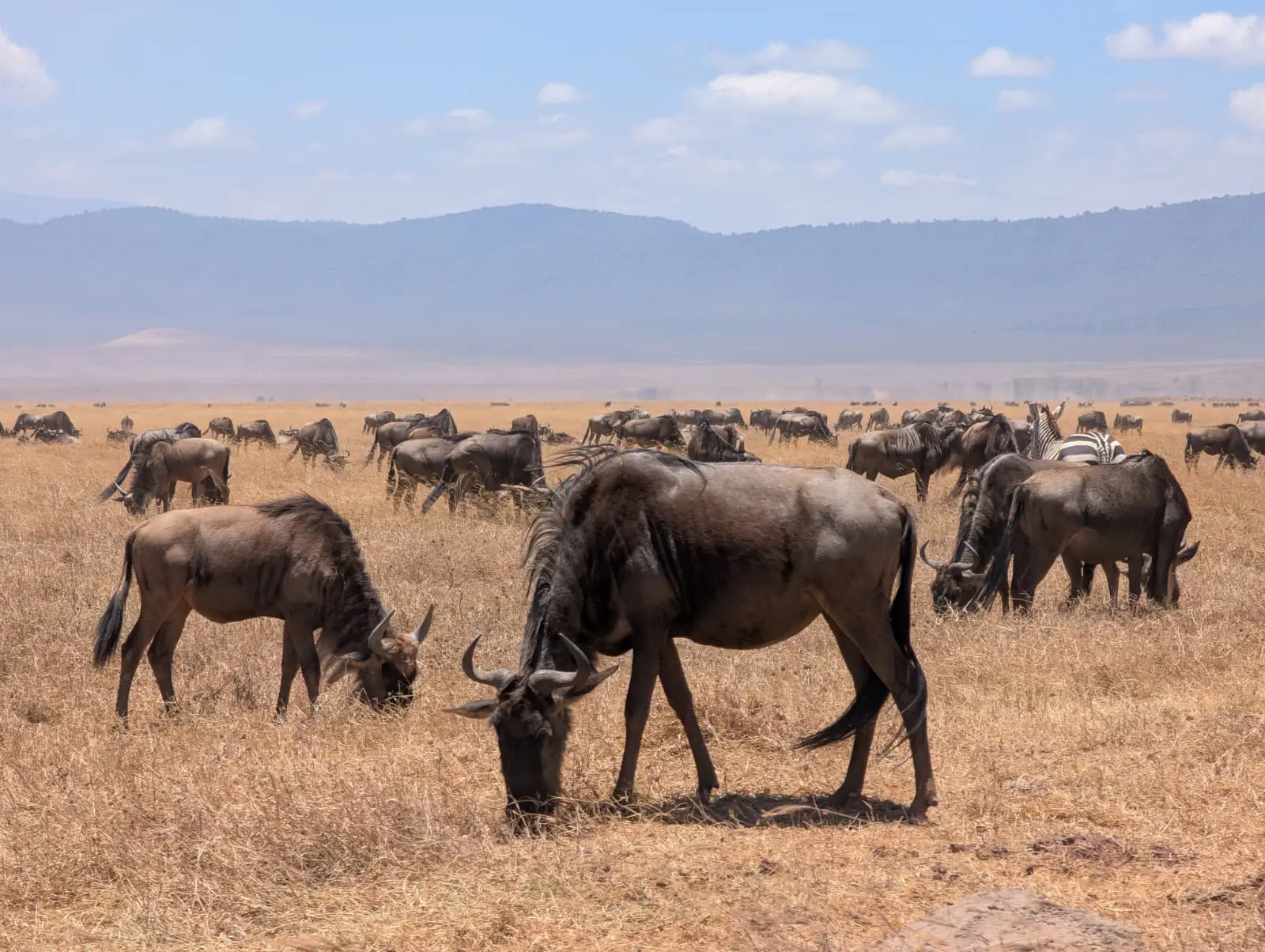
Wildebeest, zebras, giraffes, impalas, gazelles, elands, waterbucks and hartebeest are among Tanzania’s best-known herbivores. Each species uses the landscape differently. Zebras mainly graze on taller grasses, while wildebeest feed on shorter, fresher grass. Giraffes browse on leaves that are out of reach for most other animals.
Zebras and wildebeest regularly travel together. On a much larger scale, their continuous movement through the Serengeti ecosystem forms part of the Great Migration.
At first glance, a herd may seem calm, but there is always something happening. Animals forage for food, protect their young and watch for predators. When several animals suddenly look in the same direction, a lion, cheetah or other predator may be nearby.
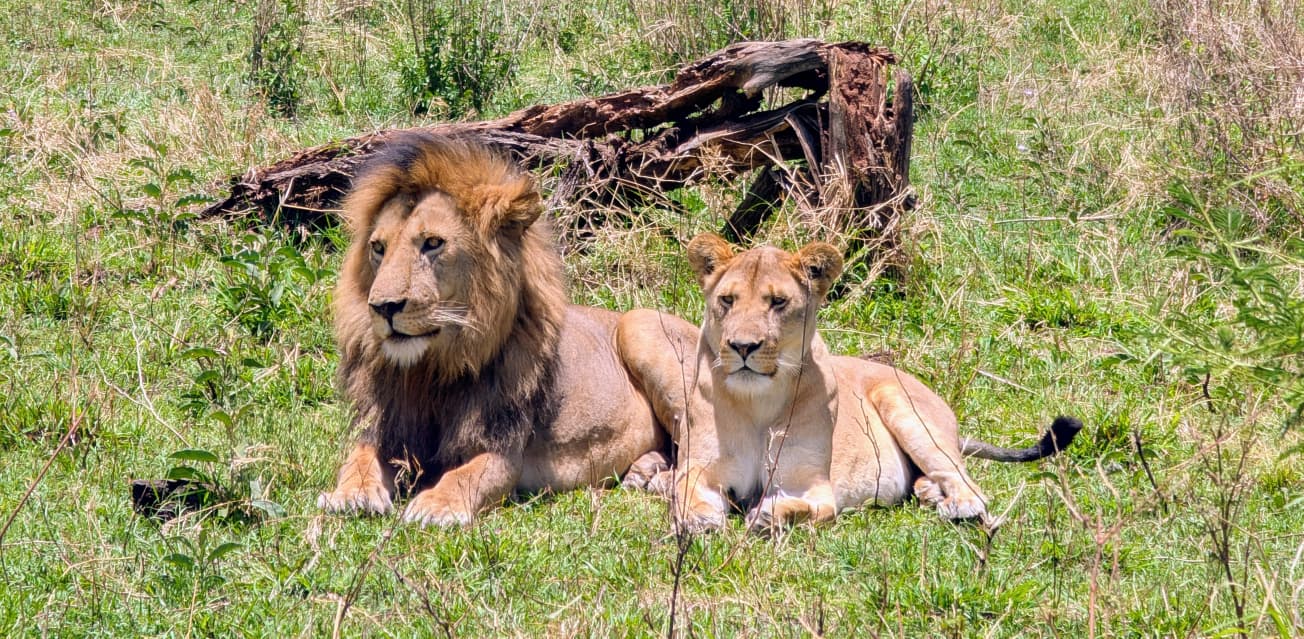
Which predators might you encounter in Tanzania?
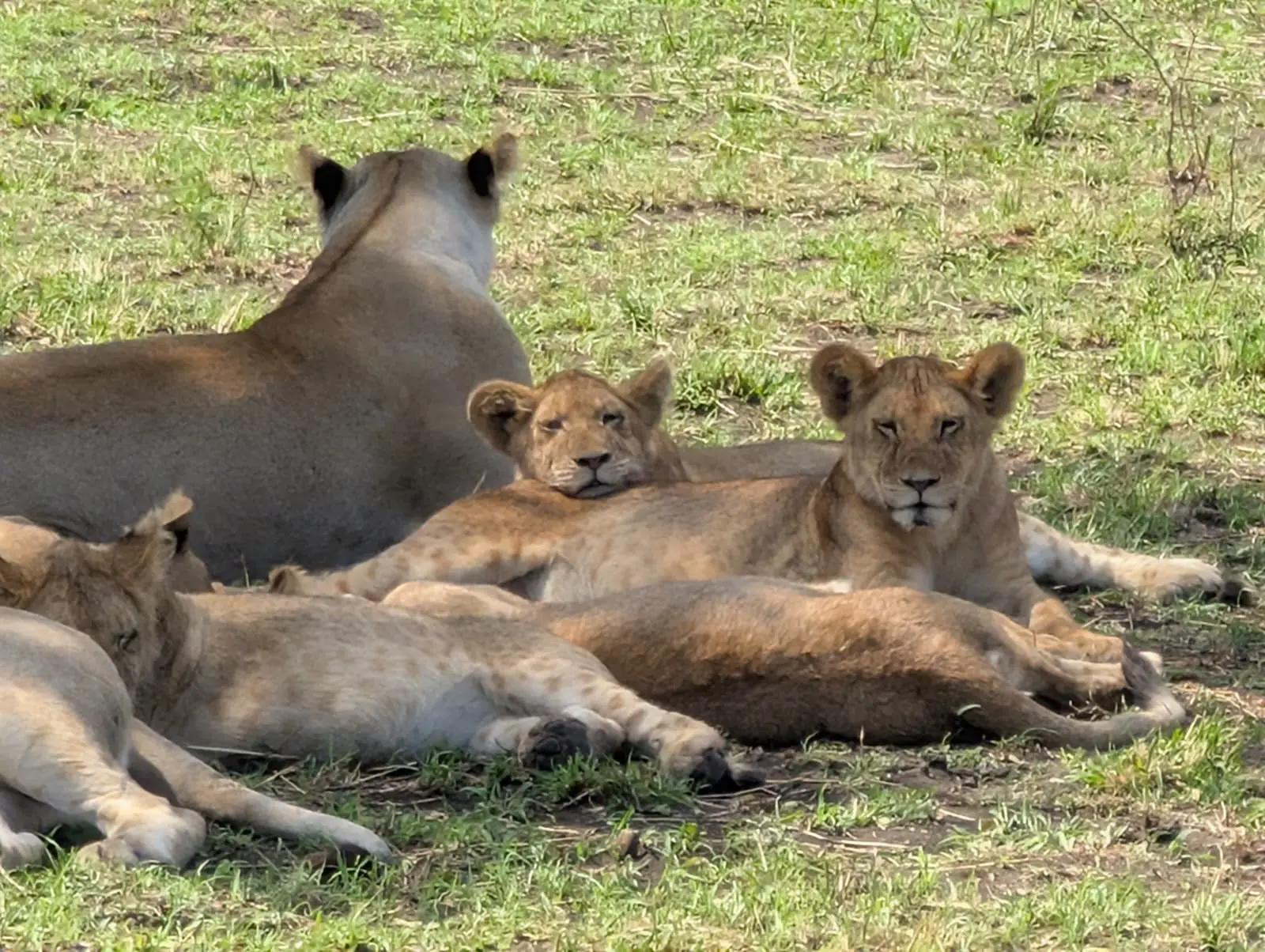
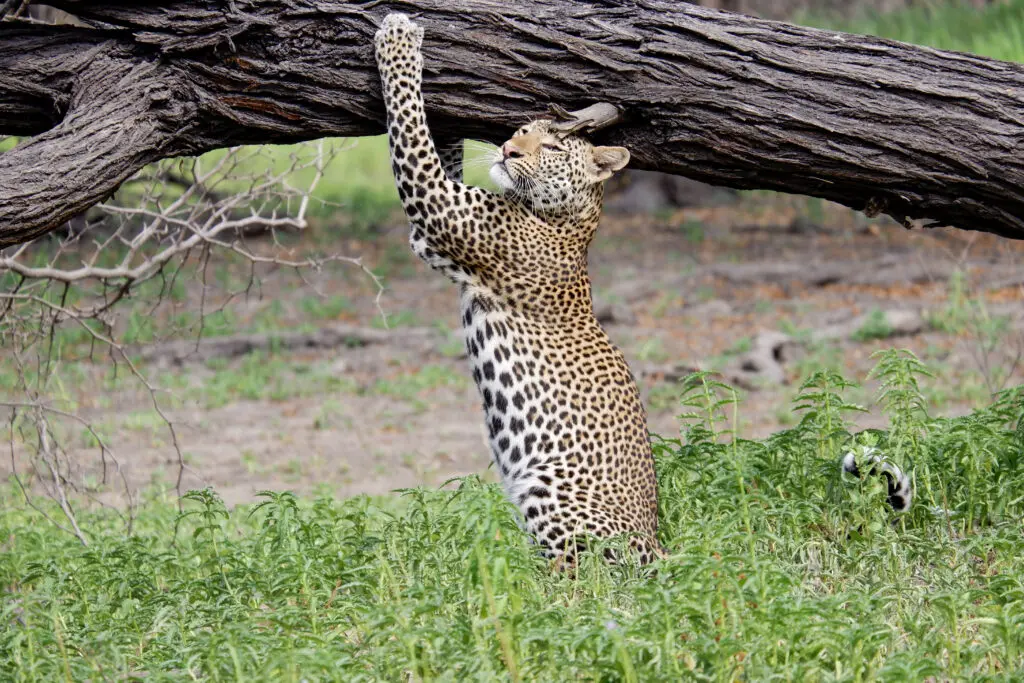
Lions are Tanzania’s best-known predators. They often live in prides and rest for much of the day. Cheetahs mainly hunt in open terrain, where they can use their speed. Leopards usually live alone and regularly rest in trees or dense vegetation.
Spotted hyenas are both hunters and scavengers. They live in social groups and communicate through a wide range of sounds. Jackals, servals and mongooses are other predators you may encounter during a safari.
The African wild dog is one of Southern Tanzania’s most distinctive predators. Wild dogs live in packs and cover large distances. Selous Game Reserve and Nyerere National Park form an important habitat for this endangered species. Encountering a pack remains special and unpredictable.
Which animals live around rivers and lakes?
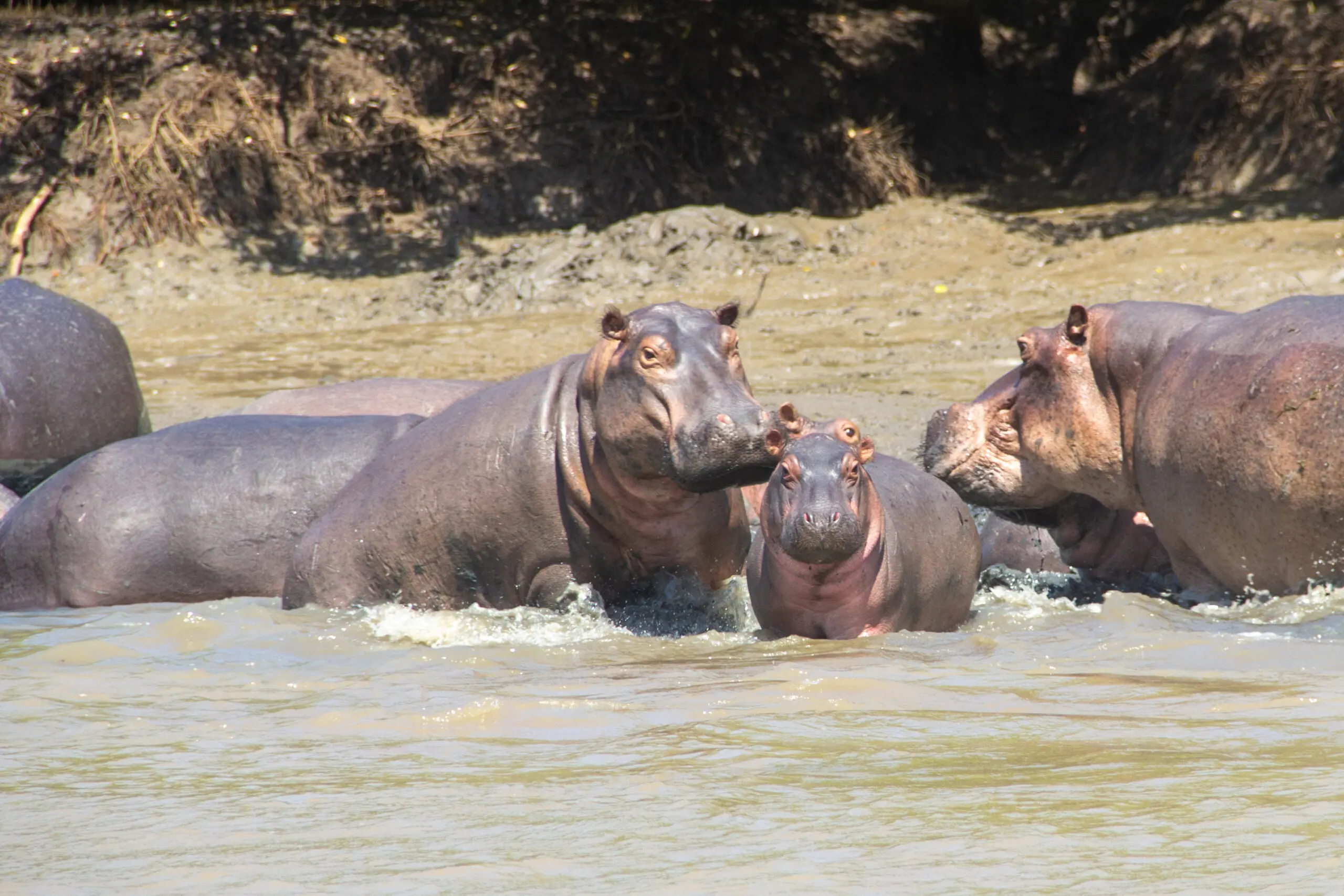
Rivers, lakes and waterholes attract animals that come to drink, cool down or search for food. Hippos spend much of the day in the water, while Nile crocodiles rest along the banks or move almost invisibly through the river. Elephants, buffalo, giraffes and antelopes also regularly visit the water.
Around the Rufiji River in Selous Game Reserve and Nyerere National Park, you may encounter hippos, crocodiles and many species of birds. A boat safari allows you to observe the riverbanks and their wildlife from a different perspective than during a game drive.
Which monkeys live in Tanzania?
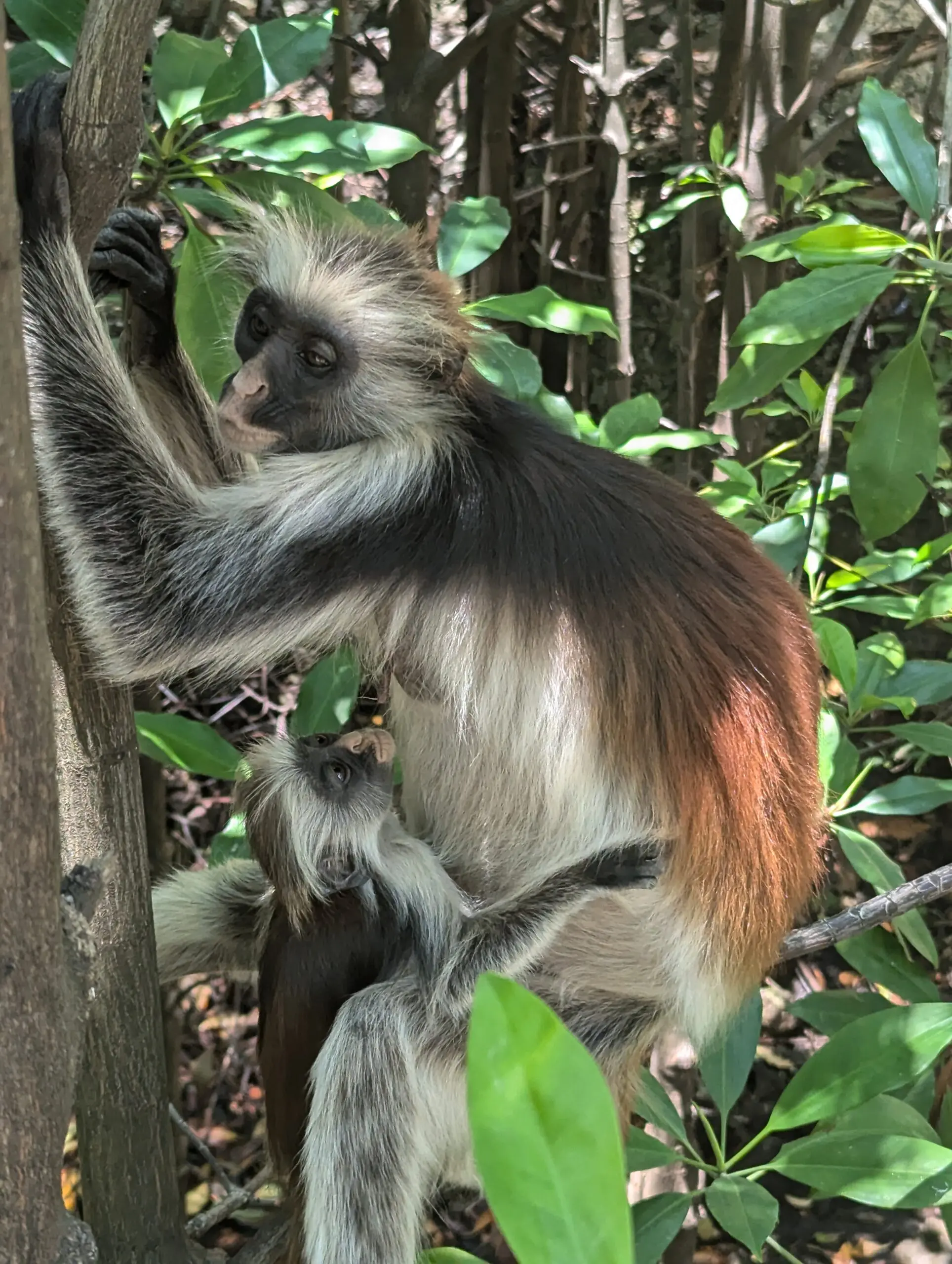
Baboons and several monkey species mainly live in forested and water-rich areas. In Lake Manyara National Park, you may encounter large groups of baboons. Blue monkeys and vervet monkeys move through trees and bushes and are often active in areas with plenty of food.
Monkeys are fascinating to observe for longer periods. They groom one another, warn the group of danger and protect their young. Always keep food out of sight, follow your guide’s instructions and never feed wild monkeys.
What smaller mammals can you see?
A safari is about more than large animals. Warthogs, mongooses, rock hyraxes, jackals and smaller antelopes are easily overlooked. Some species live in burrows, while others hide among rocks, bushes or tall grass.
Look for tracks in the sand, holes in the ground and sounds coming from the vegetation. An experienced guide can often identify which animal left a track and explain what may have happened there earlier.
What birds can you see on a safari?
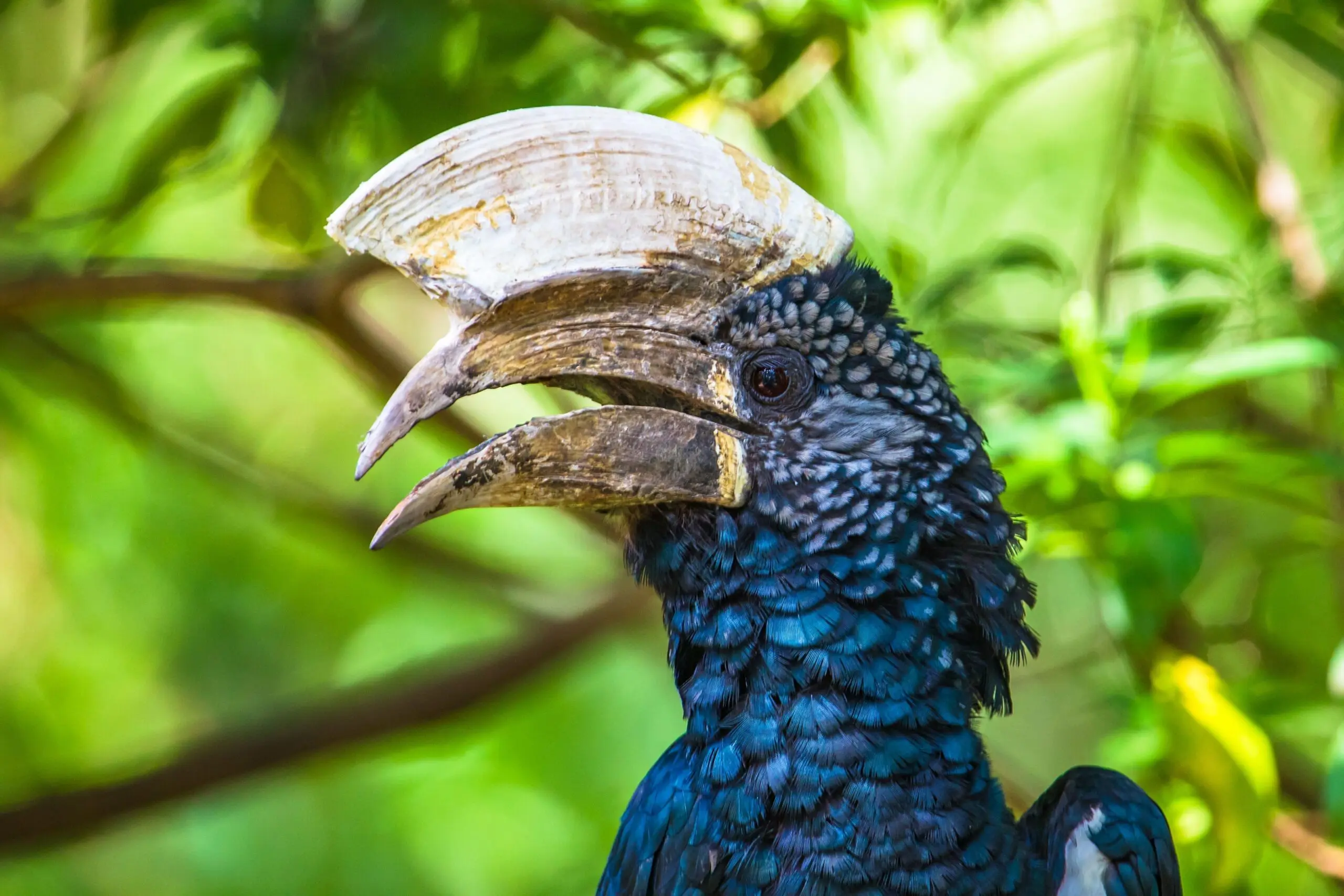
Tanzania is home to an extraordinary variety of birds. Ostriches, secretary birds, kingfishers, bee-eaters, eagles, vultures, pelicans and flamingos stand out because of their size, colors or behavior.
The species you see depend on the landscape. Lakes and marshes attract waterbirds, while ostriches and secretary birds prefer open plains. Birds of prey use trees, rocks and other elevated positions as vantage points.
Binoculars make it easier to observe their colors and behavior. Travelers with a particular interest in birdlife can also add a guided bird-watching excursion to their trip.
Which animals can you see in each national park?
Each national park has its own combination of landscape, water and vegetation. As a result, the wildlife experience differs from park to park.
The table below provides a general overview. The listed species live in these areas, but whether you encounter them depends on their movements, the season and a little luck.
|
Park or area |
Characteristic animals |
Landscape |
Good to know |
|
Wildebeest, zebras, lions, cheetahs, hyenas, giraffes and leopards |
Open plains, rocky kopjes and river areas |
The location of the migrating herds changes throughout the year. Ask your travel specialist which part of the Serengeti best suits your travel period. |
|
|
Lions, buffalo, elephants, zebras, wildebeest and black rhinos |
Grassland, marshes, water and forest within a volcanic crater |
The crater offers one of Tanzania’s best chances of spotting the rare black rhino and potentially completing the Big Five. |
|
|
Elephants, zebras, buffalo, giraffes, antelopes and predators |
River, savanna and baobab trees |
The Tarangire River attracts many animals during drier periods. |
|
|
Elephants, buffalo, giraffes, zebras, monkeys, birds and lions |
Groundwater forest, lake, marshes and open terrain |
Tree-climbing lions are sometimes seen, but a sighting cannot be guaranteed. |
|
|
Flamingos, other birds and smaller mammals |
Soda lake, volcanic landscape and dry plains |
The experience focuses more on landscape, birdlife and culture than on large herds. |
|
|
Wildebeest, zebras, predators and young animals during certain periods |
Open grassland, woodland and seasonal lakes |
Rain and fresh grass influence the presence of the migrating herds. The area is especially important during the calving season. |
|
|
Elephants, buffalo, lions, hippos, crocodiles, birds and African wild dogs |
Rivers, lakes, forests and savannas |
A boat safari on the Rufiji River offers a different perspective on wildlife. |
|
|
Giraffes, zebras, wildebeest, elephants, buffalo, lions and hippos |
Open plains, savanna and water-rich areas |
The open landscape offers wide views and good opportunities to observe wildlife. |
|
|
Saadani National Park |
Elephants, giraffes, buffalo, waterbucks, zebras, hippos, crocodiles and birds |
Coastal savanna, woodland, the Wami River, mangroves and Indian Ocean beaches |
Saadani combines bush, river and coastal habitats. Wildlife can be more dispersed than in Tanzania’s best-known northern parks. |
Tip from our local guide
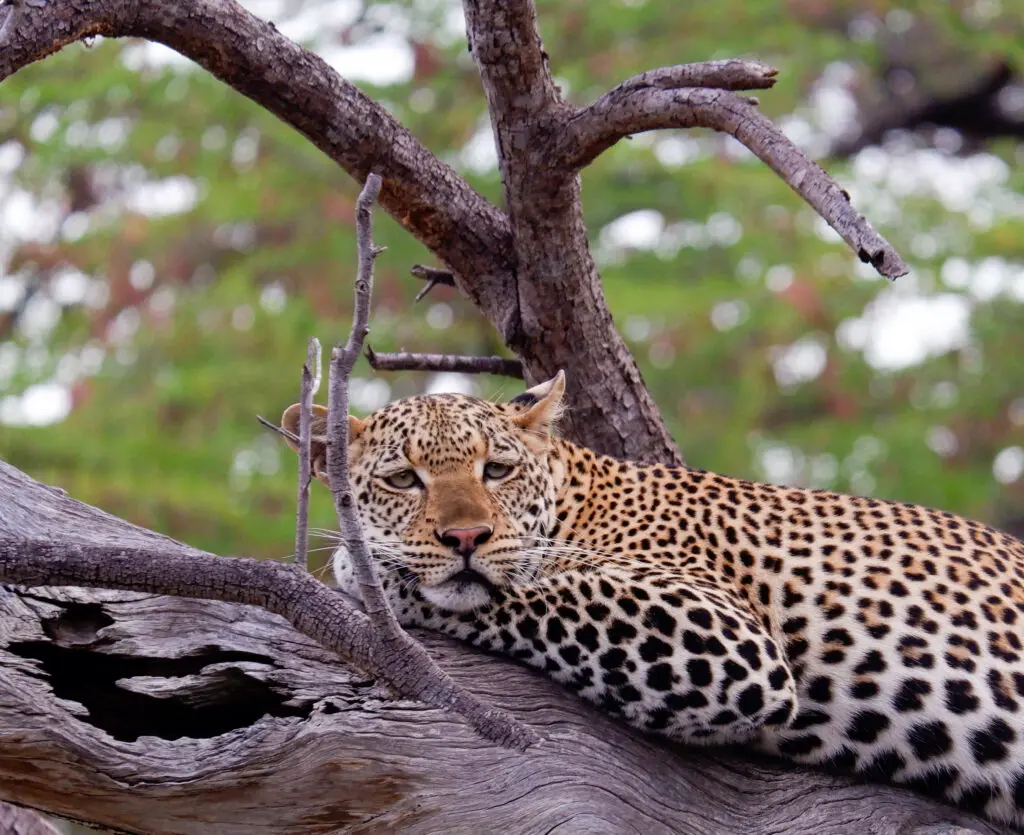
During a game drive, do not only look straight ahead. A leopard may be resting among the branches, while a lion can disappear almost completely into tall grass. Guides therefore also watch for tracks, sounds and the reactions of other animals.
Which animals are harder to find on safari?
Solitary, shy and well-camouflaged animals are usually harder to find than large herds. Animals with a large territory or a nocturnal rhythm also appear less predictably. A species may live in a park without being seen during every visit.
Why is a leopard hard to spot?
Leopards usually live alone and regularly rest in trees or dense vegetation. Their spotted coat blends into leaves, branches and shadows. Guides look for details such as a tail hanging from a branch, prey stored in a tree or monkeys and antelopes sounding an alarm.
Why is the black rhino rare?
The black rhino occurs in limited numbers and within protected habitats. Even in an area where rhinos live, distance and vegetation can make a sighting difficult.
The Ngorongoro Crater generally provides the best opportunity to see a black rhino during one of Paradise & Wilderness’ northern safari routes. Binoculars help you observe the animal calmly without needing to approach it.
Why is an encounter with African wild dogs special?
African wild dogs live in packs and move across large areas. A pack may be close to a safari route one day and many miles away the next. Guides use local knowledge and recent sightings, but cannot predict an encounter.
Which nocturnal animals are less likely to appear during the day?
Some animals are mainly active after dark, including genets, porcupines and certain smaller predators. During the day, they rest in burrows, trees or dense vegetation.
A night game drive is only possible in areas where the activity is permitted. Options may include Pololeti Game Reserve, Ikona Wildlife Management Area and Selous Game Reserve. Availability depends on the itinerary, permits and local conditions. Discuss the options with your travel specialist and book the activity in advance.
How does the season affect the animals you see?
Tanzania can be visited throughout the year, but the landscape and distribution of animals change. During drier periods, available water becomes increasingly important. During greener periods, vegetation grows, young animals are born and birdlife becomes especially active.
Which animals can you see during drier periods?
During drier months, animals regularly gather around rivers, lakes and permanent waterholes. Lower vegetation can also make wildlife easier to see in some areas.
Not every species becomes easier to find. Predators remain mobile, while shy animals continue to use trees and bushes for cover. Well-known parks may also attract more visitors during popular travel periods.
Which animals can you see during the green season?
During the green season, dry plains regain their color and seasonal waterholes fill again. This is an attractive period for lush landscapes, birdlife and young animals.
Taller vegetation can make some sightings more difficult, but it also creates a varied and photogenic landscape. Rain does not fall everywhere at the same time and usually does not continue all day. Conditions can differ between regions and from year to year.
When can you see the migrating herds?
The Great Migration is a continuous movement of wildebeest, zebras and other grazers through the Serengeti ecosystem and neighboring areas. Rainfall and fresh grass influence where the herds travel.
December to March: the herds are generally found on the southern Serengeti and Ndutu plains, where the calving season takes place.
April to June: the herds gradually move through the central and western parts of the ecosystem.
July to October: many herds move toward Northern Serengeti, where river crossings may take place.
November: the herds generally begin moving back toward the eastern and southern Serengeti.
These periods provide a general indication rather than a fixed schedule. Exact locations and river crossings cannot be guaranteed. Your travel specialist can advise which area best matches your month of travel, while guides use local knowledge and recent sightings during the safari.
Can you see the Big Five on a single safari?
It is possible to encounter several members of the Big Five during one safari. Seeing all five during one trip still depends on the route, the length of the safari and luck.
Lions, elephants and buffalo are generally seen more often than leopards and black rhinos. The Ngorongoro Crater provides an important opportunity to spot the black rhino, while leopards remain difficult to find because of their solitary and secretive behavior.
A route through several different habitats creates more opportunities than a very short safari in a single park. Even so, a longer trip is never a guarantee.
It also helps not to make the Big Five your only goal. A hunting cheetah, a group of young elephants or a large herd of giraffes can be every bit as memorable.
How can you improve your chances of seeing wildlife?
A relaxed travel pace, enough time in suitable habitats and the guidance of an experienced local guide all improve your chances of finding animals. Patience is just as important as the park you choose.
Why is enough time in each park important?
Animals move throughout the day. With enough time in a park, your guide can explore different areas and respond to recent sightings. An itinerary with many parks and long transfers can leave less time for observing wildlife.
Why are early game drives worthwhile?
Temperatures are often pleasant in the early morning and various animals are active. Predators may still be moving after the night, while grazers begin their day. The softer morning light is also ideal for photography.
Why should you share your wildlife wishes in advance?
A guide cannot promise a particular animal, but the itinerary can take habitats, seasons and likely wildlife movements into account. Share which animals you would most like to see with your travel specialist.
Your travel specialist can then explain what is realistic within your travel period, trip length and preferred route.
Why does staying quiet help during a sighting?
Remaining calm inside the vehicle gives animals space and allows you to follow their behavior for longer. Loud talking, sudden movements or calling out to animals may disturb the situation. Always follow your guide’s instructions.
Which items help when spotting wildlife?
Binoculars are useful for birds, smaller species and animals farther away. A camera with a zoom lens allows you to take photographs without moving closer to an animal.
Protect your equipment from dust and bring sufficient memory, charged batteries and suitable charging equipment.
Which safari route suits your wildlife wishes?
The right safari does not depend on one favorite animal alone. Your travel period, available time, preferred landscapes and desired activities also matter.
The suggestions below provide a starting point. They are not the only places where these animals can be found.
|
Wildlife wish |
Areas to consider |
Good to know |
|
Large herds of wildebeest and zebra |
Serengeti and Lake Ndutu |
The location of the Great Migration changes throughout the year. |
|
Elephants |
Tarangire, Nyerere, Mikumi and Saadani |
Water, food and seasonal conditions influence how herds are distributed. |
|
Lions and other predators |
Serengeti, Ngorongoro, Tarangire, Nyerere and Mikumi |
Sightings still depend on movement, vegetation and animal behavior. |
|
Black rhino |
Ngorongoro Crater |
The species is rare and is often observed from a distance. |
|
African wild dog |
Selous Game Reserve and Nyerere National Park |
Packs move across large territories and cannot be found on demand. |
|
Hippos and crocodiles |
Nyerere, Selous, Saadani and other water-rich areas |
A boat safari can provide a different perspective. |
|
Flamingos and other birds |
Lake Natron, Lake Manyara, Lake Ndutu and wetlands |
Water levels, rainfall and the season influence their presence. |
What makes an encounter with wild animals special?
Tanzania provides a home for large herds, predators, elephants, monkeys, waterbirds and countless smaller species. Every region has its own character.
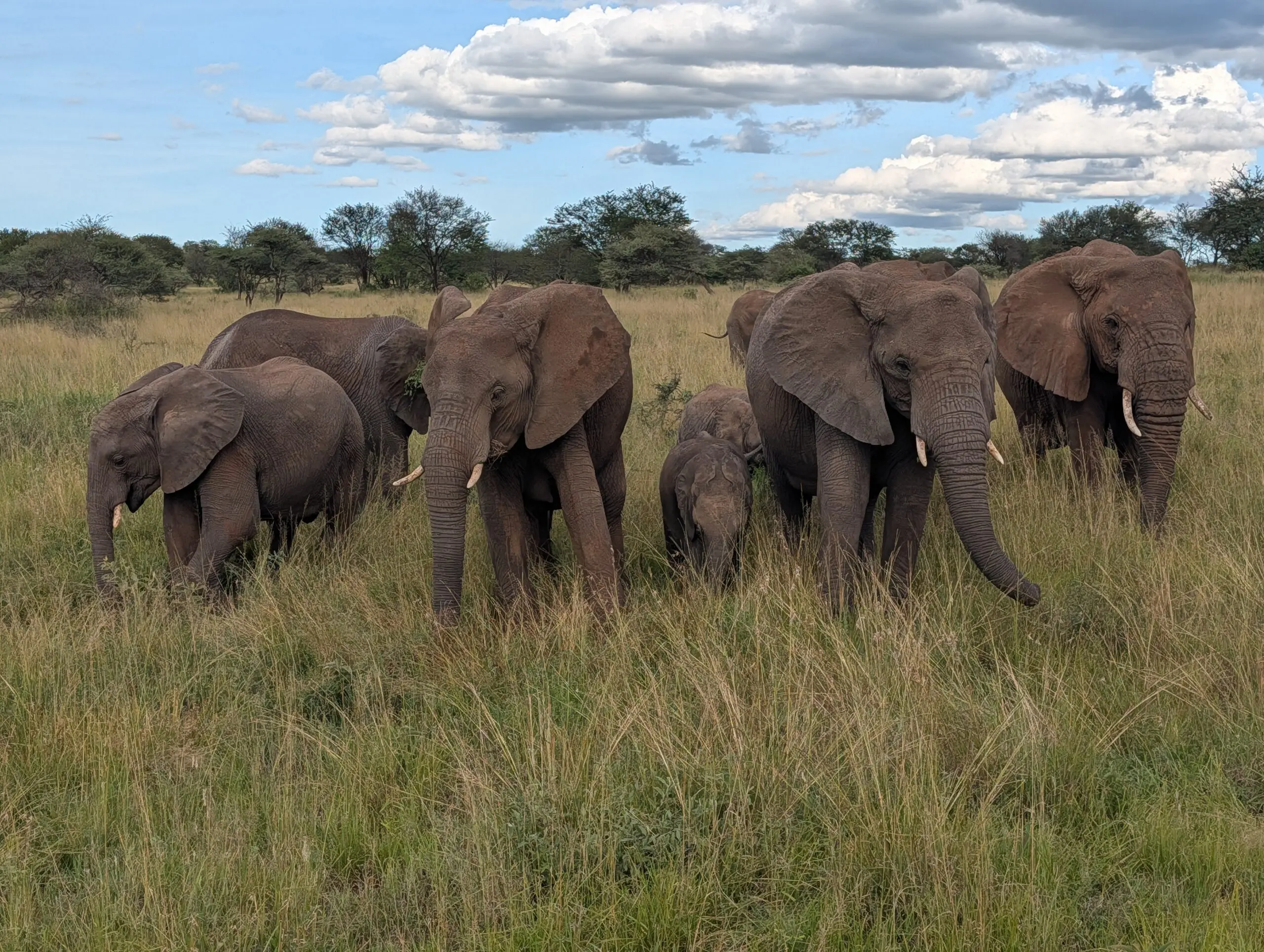
The Serengeti is known for its migrating herds, Tarangire for its elephants, Ngorongoro for the variety of wildlife within the crater and Nyerere for its river ecosystems and vast wilderness.
The most memorable safari is not necessarily the one on which you tick off the most animals. Take the time to watch their behavior, listen to your guide’s explanations and leave room for unexpected encounters. The fact that nothing is fixed is precisely what makes every safari day personal.
What do travelers say about their safari?
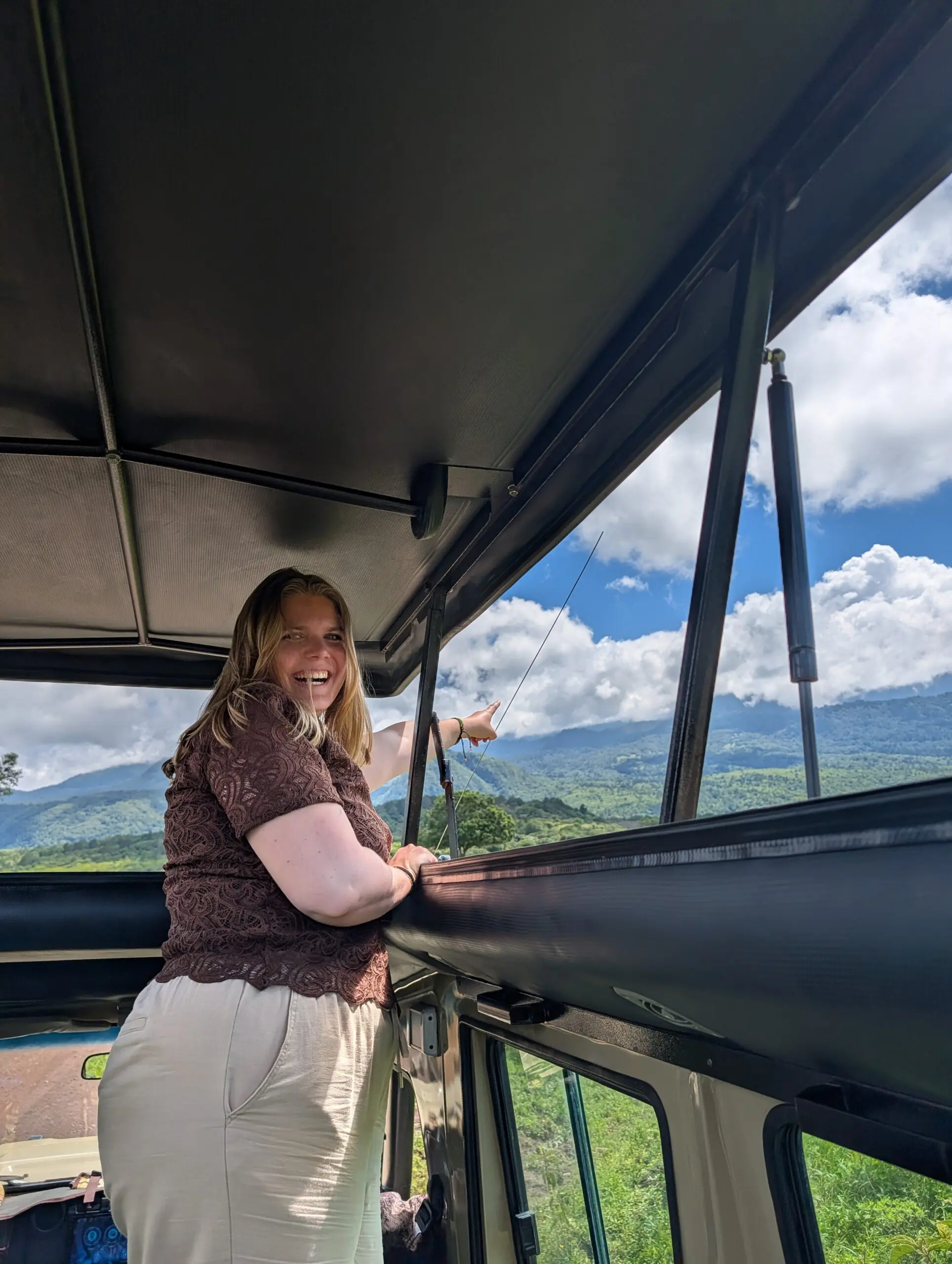
“Leonard spotted animals from a great distance, which made our safari extra special. We felt safe and well guided throughout the trip.”
N M – Tripadvisor review, January 2026. Translated from Dutch.
View the review and more traveler experiences on Tripadvisor
Read more experiences from our travelersWhich safari suits your wildlife wishes?
Tell us which animals, landscapes and activities you would like to experience. Our Tanzania specialists will help create an itinerary that suits your travel period, trip length and preferred pace.
Request personal travel advice
Frequently asked questions about wildlife on safari in Tanzania
How close wild animals come to a safari vehicle differs by species and situation. Some animals calmly walk past vehicles, while others keep their distance. Your guide follows the park rules, monitors safety and always gives the animal enough space.
You may see wild animals from some safari accommodations. This depends on the location, season and behavior of the animals. Lodges near wildlife areas may offer views of giraffes, zebras, antelopes, monkeys or elephants, but sightings always remain unexpected.
Wild animals can be dangerous when people approach them or ignore safety rules. During a guided safari, remain inside the vehicle where required and follow your guide’s instructions. Never leave the vehicle independently and do not attempt to feed or touch an animal.
Children can enjoy wildlife during a safari when the trip length, daily schedule and accommodations suit their age. Shorter travel days, moments of rest and clear explanations help make the experience enjoyable. Discuss the ages of your children with a travel specialist before booking.
Seeing specific wildlife during a safari in Tanzania is never guaranteed. Animals move freely and their location depends on water, food, weather, breeding patterns and natural behavior. An experienced guide and a well-planned itinerary improve your chances of meaningful sightings.
Northern Tanzania generally provides the best chance of seeing the Big Five. Lions, elephants and buffalo occur in several parks, while leopards are more difficult to find. The Ngorongoro Crater offers one of the best opportunities to spot the rare black rhino.