





Wie is de Mol 2026: Discover Tanzania
Wie is de Mol? 2026 takes place in Tanzania!
On this page, we follow which locations in Tanzania you see in Wie is de Mol? per episode. 2026. This creates a living guide in which you discover per broadcast which area is central, why that place is special, and what you can experience there yourself during a trip through Tanzania.

Episodes of Wie is de Mol 2026 in Tanzania
Each episode showcases a different part of Tanzania and Zanzibar. Think of national parks, volcanic landscapes, local villages, and historic cities. It is precisely this variety that makes the route of Wie is de Mol? interesting for travelers.
Throughout the episodes, a complete picture emerges of how a trip through Tanzania is structured, including safari, nature, culture, and coast. This makes this guide not only a look back at the program but also a practical source of inspiration for your own journey.
Have you become curious about this beautiful country? Discover it with a Tanzania & Zanzibar tour!
Wie is de Mol episode 10: All eyes on the final
In episode 10 of Wie is de Mol? 2026, everything comes together. The journey ends where the island feeling is strongest: Zanzibar. Here, the final puzzle pieces fall into place and it becomes clear who the Mole is, who played the game best, and who takes home the win.
After weeks of assignments through the interior of Tanzania and the island of Zanzibar, this final is about one thing: the truth.
Back to Zanzibar
The filming of Wie is de Mol? 2026 ends in Zanzibar with the denouement between Bram, Daan, and Quinty. On the island, the finalists reunite with presenter Rik van de Westelaken. In a setting that by now feels familiar but is more exciting than ever, the final suspicions are tested.
The unmasking of the Mole
During a decisive moment, the finalists take their places behind tablets linked to their suspicion. Here it becomes clear who has been directing the game all this time. The tension builds as clips are replayed. Finally, it becomes clear: Daan Boom is the Mole.
With that revelation, all the puzzle pieces fall into place. Sabotages, delays, and subtle influence become visible. What first seemed like coincidence turns out to be strategy.
The winner of Wie is de Mol 2026
After the unmasking, the final decisive moment follows: the winner. Both finalists had the Mole figured out, but the difference lies in the details. In the final test, precision makes the difference. Bram Krikke eventually manages to answer the most questions correctly and wins Wie is de Mol? 2026.
The prize pot ends at €13,280, an amount that symbolizes a season in which the Mole regularly managed to sabotage successfully.


Looking back at Tanzania and Zanzibar
After the denouement, an extensive look back at the season follows. Only then does it become truly clear how the game developed. From the nature in Lake Manyara and Arusha National Park to the culture surrounding Kilimanjaro and the Maasai. From the lively streets of Arusha to the beaches and history of Zanzibar.
Each location played a role in the story. Not just as a backdrop, but as part of the game itself. It is precisely this variety that shows how versatile Tanzania is as a travel destination. You move from safari to city, from culture to nature, and from the mainland to a tropical island.
From game to journey
What this season makes clear is how logically the route of Wie is de Mol? was actually constructed.
The journey begins in northern Tanzania, where national parks and wildlife are central. Then the focus shifts to culture, local communities, and daily life. Finally, the journey ends on Zanzibar, where relaxation and experience come together. You see exactly that structure reflected in a Tanzania & Zanzibar tour.
Would you like to experience this route yourself? With Paradise & Wilderness, you can experience the same variety. From safaris in the Northern Circuit to a stay on Zanzibar, with our own lodges, guides, and routes that connect perfectly.
A Remarkable Season
The final makes clear why Tanzania and Zanzibar form such a strong setting for Wie is de Mol?. The landscape, the culture, and the variety ensure that no single episode feels the same. At the same time, everything together forms one whole.
And that applies not only to the game but also to the journey itself.
Wie is de Mol episode 9: Not believing your eyes on Zanzibar
In episode 9 of Wie is de Mol? 2026, the focus shifts from action to interpretation. The candidates remain on Zanzibar, but this time they are continuously tested on what they think they see. The environment plays a larger role than before: from quiet, deserted places to the bustle of Stone Town.
Assignment in a deserted resort
The episode starts at a deserted resort where candidates must eliminate various intruders with paintball guns. By doing so, they can obtain the mole notebooks of eliminated candidates.
Eventually, three notebooks remain and the group must choose between money and information. They hand in two and view one: Nienke’s mole notebook. The setting of a ruin shows that Zanzibar is more than just beaches. You walk through a location with a story, where you literally stand between the past and the present. The contrast of rugged ruins and the soft white beach ensures that you experience the island in a different way. Don’t want to stay in a deserted resort, but rather in a luxury resort on the beach? Then take a look at one of our own luxury beach resorts:
City safari through Stone Town
In Stone Town, the city turns into a scavenger hunt. Eliminated candidates are disguised and hidden throughout the city, while the group must simultaneously link quotes and follow the correct route.
The chaos, narrow streets, and constant distraction make it difficult to maintain an overview. This assignment in particular shows how unique Stone Town is as a backdrop: a place where you can literally and figuratively get lost.


The eyes of the Mole
A tense moment follows on the beach. Candidates get the chance to see the eyes of the Mole by rolling exactly 26 with dice.
Every attempt costs money, yet everyone chooses to play. Three candidates succeed and get a glimpse. Whether this actually helps remains uncertain and mainly causes extra doubt within the group.
A decisive moment
After the assignments, the test follows. The group gets smaller and the pressure increases further. Candidates must rely more and more on their own perception and interpretation.
In an episode where ‘seeing’ is central, it becomes clear how difficult it is to read signals correctly and make choices based on limited information.
More than just Zanzibar
Episode 9 shows a different side of Zanzibar. Not just beaches, but also history, culture, and contrasts. In Stone Town, you see influences from different cultures and you can still feel the past.
Well-known spots like The Rock Restaurant show the iconic image of Zanzibar, but this episode emphasizes that the real experience often lies beyond that.
From historic ruins to lively city districts: Zanzibar visibly gains character. And that is exactly what makes this episode stronger heading towards the final!
Wie is de Mol episode 8: Seeing through on Zanzibar
In episode 8 of Wie is de Mol? 2026, the theme ‘Seeing through’ is central. The candidates remain on Zanzibar but move from the north to the quiet southeast coast. From the bottom of the ocean to a local village: this episode shows that Zanzibar is more than just beach and views!
Underwater assignment
The episode literally begins below the surface. Three candidates descend to the bottom of the Indian Ocean, where they must answer a quiz. At the same time, two others above water try to keep a traditional wooden boat afloat.
With every wrong answer, a cork disappears from the boat. What follows is a combination of time pressure and limited communication. The answers come with difficulty and the boat eventually sinks faster than hoped. The setting makes the assignment special, but the result shows how difficult it is to maintain an overview when conditions change. Want to discover the underwater world yourself? You can with a Zanzibar Underwater Adventure.
Jambiani and local cooperation
Then the game moves to Jambiani, a fishing village on the southeast coast of Zanzibar. Here, the candidates work together with local youth from Move Zanzibar Community Center.
The assignment revolves around putting on a joint performance with dance and acrobatics. The audience ultimately determines the proceeds, making not only execution but also connection central.
The cooperation does not go flawlessly, but the enthusiasm and commitment ensure that the assignment yields €1500. The moment shows how important interaction with the local community can be for the experience of a destination.


A decisive moment
After the assignments, the test follows. The group gets smaller and the pressure increases further. For Milan van Dongen, the adventure ends here. With five candidates remaining, the focus shifts more and more to individual choices and interpretations. Especially in an episode where ‘seeing through’ is central, it becomes clear how difficult it is to keep a grip on the game.
More than just Zanzibar
Episode 8 shows a different side of Zanzibar. Not the busy north, but rather the peace and daily life on the east coast. Places like Jambiani give a more realistic picture of the island, where local culture and nature come together. There is also much to discover underwater, with clear visibility and reefs that are excellent for diving and snorkeling on Zanzibar. Those who look beyond the well-known spots discover that there is much more to see behind Zanzibar.
Wie is de Mol episode 7: Zanzibar and Stone Town
In episode 7 of Wie is de Mol? 2026, the candidates set foot on Zanzibar. After the interior of Tanzania, the scenery changes completely. White beaches, crystal clear water, and a tropical setting form the stage for an episode where everything revolves around details and distraction.
Adrenaline in the beach bar
The episode begins on the beach with an assignment that revolves around precision. The candidates must rebuild a beach bar exactly based on photos. What seems straightforward turns out to be difficult to execute. Small deviations ensure that no final result is completely correct.
At the same time, two candidates make a parachute jump over the coast of Zanzibar. During the jump, they are given the task of remembering a cocktail menu. Once back on the ground, it becomes clear how difficult that is. Nevertheless, they manage to remember a number of cocktails correctly, which still yields money for the pot.
Don’t worry: on Zanzibar you will find plenty of beach bars where atmosphere and detail do come together. Think of places like the Jetty Bar at the Reef & Beach Resort, where you end the day with a view of the sea.
Stone Town and Freddie Mercury
In the second part of the episode, the game moves to Stone Town. In this historic city, culture and tradition come together. Narrow streets and various influences make it a special encounter with the culture of Zanzibar.
In Stone Town, the candidates visit the birthplace of Freddie Mercury and perform assignments based on Queen’s music. Linking images to songs turns out to be harder than expected, especially because fragments are played differently. Interpretation plays a major role here.


Face to face with the Mole
At the end of the episode, the candidates return to the beach. One by one they are called to Rik van de Westelaken. Each candidate is asked three questions. Whoever answers all three questions correctly comes face to face with the Mole and earns a direct spot in the final.
The choice is difficult: certainty does not exist, but the reward is great. Doubt and trust come together here in one decisive moment.
From safari to island
Episode 7 shows how great the contrast is between the mainland of Tanzania and Zanzibar. Where the mainland revolves around nature and space, the island brings culture, history, and a different lifestyle.
For travelers, Zanzibar therefore forms a logical follow-up to a safari. After days in nature, you end up in a completely different environment, where relaxation and experience come together. It is precisely this variety that makes the combination of Tanzania and Zanzibar so strong, and the editors of Wie is de Mol? understood that all too well.
Wie is de Mol episode 6: All eyes on the Maasai
In episode 6 of Wie is de Mol? 2026, we travel closer to the foot of Kilimanjaro, in the heart of Maasai territory. The candidates stay in a lodge where culture and landscape come together. The setting clearly shows how close you are to local life here. Lodges in this region are often located in or near areas where the Maasai live and work.
Life and traditions of the Maasai
During the assignments, the candidates get to know traditional Maasai skills such as spear throwing, jumping, and building. Elements used as a game in the program stem from daily routines and centuries-old traditions.
In areas such as Mto wa Mbu and around Lake Natron, you still encounter this way of life. During a visit to a Maasai village, you see how communities are structured and how traditions are passed down. Also during walks, such as a flamingo lake walk, you are accompanied by a Maasai who knows the area and nature inside out.


Next stop: Zanzibar
At the end of the episode, the landscape changes again. The candidates make the transition from the interior to Zanzibar.
In practice, this is a short domestic flight from Arusha to Zanzibar of about 1 hour and 15 minutes. Within that time, the scenery shifts completely: from dry savanna and volcanic landscape to tropical coast, white beaches, and the historic streets of Stone Town.
Zanzibar often forms a logical follow-up to a safari in Northern Tanzania. After days in nature and among wildlife, you arrive in a completely different world, where relaxation, culture, and history come together.
The combination of Northern Tanzania and Zanzibar feels almost natural. While the north is about landscape, wildlife, and local culture, Zanzibar brings a different pace. That variety means you experience the country from multiple perspectives.
Wie is de Mol episode 5: Between coffee and Kilimanjaro
In episode 5 of Wie is de Mol? 2026, we remain in the region around Arusha. With coffee, language, and culture as a common thread, you get a glimpse into daily Tanzania. The setting moves to a coffee plantation and the Kilimanjaro area. On the plantation, you see how processes are precise down to the detail. Weighing, sorting, and processing are done with care. That pace and way of working say a lot about the region.
Communication also plays an important role. The assignments revolve around language, interpretation, and trust. This aligns with how interaction occurs here in daily life: context and nuance make the difference.
Coffee and daily life
In this region, coffee is interwoven with daily life. From picking the beans to roasting and brewing: the process often happens locally and with knowledge passed down from generation to generation.
Anyone who takes a coffee tour in the vicinity of Moshi, Arusha, and Karatu notices that immediately. You walk along, help out, and get explanations from people who work with it daily. As a result, coffee takes on a different meaning than just a product.


The role of language and culture
Swahili forms an important part of this episode. The language determines how people interact and how information is shared.
For travelers, this makes a big difference in the experience. Speaking a few words ensures direct contact and makes interactions more personal. You are more quickly included in stories and customs.
That connection is also reflected in local communities, such as the Maasai in the Kilimanjaro area. Traditions and daily life blend seamlessly here.
Kilimanjaro as a constant factor
Mount Kilimanjaro finally appears clearly in view. The mountain is present everywhere and determines the landscape, the climate, and the rhythm of the region.
For many travelers, it’s about climbing the mountain. At the same time, the surrounding area offers just as much experience. Think of villages at the foot of the mountain, green slopes, and vast plains with views of the summit.
Was this the real Tanzania?
Episode 5 shows more of the region around Arusha and Kilimanjaro. At the same time, much remains beneath the surface.
The power of Tanzania lies in the details. In the pace of daily life, in the way people work together, and in the stories behind what you see. Those who take the time for that experience a side of the country that goes beyond the first impression.
Wie is de Mol episode 4:
Discovering Arusha in a different way
In episode 4 of Wie is de Mol? 2026, Tanzania again shows a different side of Arusha. Where earlier episodes revolved around safari, nature, and well-known highlights, the setting now shifts to places that feel rawer, more urban, and more unexpected.
Arusha as an unexpected backdrop
And that is exactly what makes Arusha so special for travelers. In addition to the well-known safari routes, you also discover another side of Tanzania here: lively streets, local markets, crafts, and encounters with people who really give the country color.
That variety does not cause chaos, but rather a richer experience. You alternate the peace and space of nature with places where life is visible and tangible. Safe, hospitable, and with an open character that makes it easy to make contact.
For many travelers, that is ultimately what makes the difference. Not just looking at Tanzania, but really experiencing it. Especially in and around Arusha, you get the chance to discover that layer of the country.


What can you do here yourself?
Would you also like to discover Arusha in a different way? Then there are surprisingly many excursions possible just outside the well-known safari routes. For example, think of:
- The Tanzanite Experience, where you learn more about the rare gemstone found only in Tanzania
- An Arusha City Tour, to experience the city, markets, and daily life up close
- A visit to the Materuni Waterfall, in the middle of a green and mountainous environment
- A Kilimanjaro Walking Tour, past waterfalls, local villages, and coffee plantations at the foot of the mountain
Taste Arusha: where culture and food come together
Arusha is the beating heart of Northern Tanzania. Where many people come together, culture arises. And therefore also food. If you follow the route of Wie is de Mol, you experience that immediately. In and around Arusha, you eat locally, fresh, and often right among the people.
What you eat here is often simply constructed, but precisely because of that, it has a strong flavor. Think of ugali, a staple dish of maize eaten almost everywhere and served with vegetables, meat, or stews.
Or nyama choma: slow-grilled meat that you often eat together with others, straight from the barbecue.
You can also taste Arusha on the street. Stalls with mishkaki (grilled skewers), freshly baked chapati, and local snacks ensure that you can try something new everywhere.
What makes it special is how it is prepared. Many restaurants and local eateries work with ingredients from that same day: vegetables from the market, meat from local butchers, and herbs processed on the spot. Tanzanian dishes revolve around freshness, simplicity, and eating together.
Wie is de Mol episode 3:
Arusha beyond the safari
In episode 3 of Wie is de Mol? 2026, the game remains around Arusha, but the focus shifts clearly. While episode 2 mainly revolved around nature and the national park, this episode shows what happens outside of the safaris.
The candidates move between completely different worlds. From a local football match to a quiet crater lake and eventually to the city’s nightlife. The pace is higher, environments change faster, and distractions increase. This is precisely what creates an episode where maintaining an overview becomes increasingly difficult. And that is exactly what makes Arusha so interesting at this stage of the game. Would you also like to discover Tanzania in a group? Then view our Tanzania group travels.
Arusha as a backdrop: more than just a safari hub
Arusha is often seen as the starting point of a safari. Routes to parks such as the Serengeti and Ngorongoro depart from the city.
But those who look a little closer will see that the area offers much more than just the well-known safari routes.
Within a short distance of the city, you will find:
- local sports fields and villages
- green crater lakes
- mountainous areas around Mount Meru
- lively bars and meeting places
This combination of city, nature, and culture creates an environment where situations can change rapidly. From tranquility to chaos, from overview to confusion. This makes Arusha interesting not only for travelers but also for a game where everything revolves around observation and trust.


What can you do here yourself?
For many travelers, Arusha is the starting point of a safari through Northern Tanzania. However, the city and its immediate surroundings also offer interesting experiences:
- a walk at Lake Duluti
- canoeing on Lake Duluti
- bird watching around the lakes and wetlands
- wonderful swimming at the Kikuletwa Hot Springs
It is precisely this variety that makes a stay in Arusha interesting. You alternate safaris with activities that are closer to local life.
The nightlife of Arusha
The nightlife of Arusha adds a completely different layer to the game. While the emphasis during the day is on nature and overview, the evening is about dynamics, interaction, and fun.
In the bars and cafes of Arusha, everything comes together: locals, guides, travelers, and music. The atmosphere is open and accessible, making it easy to establish contact. Conversations arise spontaneously, people move among each other, and every situation develops differently than you might expect beforehand.
In addition, the small-scale nature of the nightlife ensures it remains personal. These are not massive clubs, but places where atmosphere, music, and encounters are central. This makes it easier to get in touch with people.
Staying near Arusha
Would you like to discover Arusha and the surrounding parks yourself? During our trips, you can also stay in one of our own managed lodges, in the heart of the safari landscape of Northern Tanzania. Discover, for example:
Africa Safari Arusha
Wie is de Mol episode 2:
Arusha National Park
In episode 2 of Wie is de Mol? 2026, the game moves to Arusha, the city known as the safari capital of Northern Tanzania. Virtually every safari in the famous Northern Circuit begins here. Routes to national parks such as Tarangire, Lake Manyara, Ngorongoro, and the Serengeti depart from Arusha.
The city lies at the foot of Mount Meru, an imposing volcano that dominates the landscape around Arusha. At the same time, Arusha National Park, one of the most varied but lesser-known national parks in Tanzania, is located just outside the city.
While the first episode took place in a typical safari landscape, Arusha introduces a completely different environment: a lively city with markets, traffic, travelers, and local culture. This contrast creates a new dynamic in the game.
What makes Arusha and Arusha National Park so special?
Arusha is not just a city, but the logistical center of the Northern Safari Circuit. Virtually all expeditions to the major parks of Northern Tanzania begin here.
Directly next to the city lies Arusha National Park. This park is smaller than many other national parks in Tanzania, but the landscape is exceptionally varied. Rainforests, crater lakes, and mountainous areas around Mount Meru alternate.
A special feature of the park is the presence of the black-and-white Colobus monkey. This rare monkey species swings through the treetops and is regularly seen here. Thanks to the dense forests, wildlife feels different here than in open savannas: animals often appear unexpectedly from among the greenery. Additionally, the area is known for its rich birdlife. Many tropical bird species live around the lakes, including flamingos and birds of prey.

What can you do here yourself?
For many travelers, Arusha is the starting point of a safari through Northern Tanzania. However, the city and its immediate surroundings also offer interesting experiences. In Arusha and Arusha National Park, you can, for example:
- a night game drive in Arusha National Park
- spot black-and-white Colobus monkeys in the park’s rainforests
- bird watching around the lakes and wetlands
- visit the local markets of Arusha
- get to know the culture and daily life of Tanzania
Through the combination of nature and city, this region offers a different side of Tanzania than the large safari parks.
Why Arusha is a true Wie is de Mol? location
After a first episode in a nature reserve, Arusha forms an interesting contrast. While in nature the landscape and the distance between candidates mainly play a role, in a city it is more about overview, interaction, and timing.
The hustle and bustle of markets, traffic, and local activities makes it harder to keep an eye on everything. For a game where trust and observation are central, this automatically creates extra tension.
In addition, Arusha forms a logical point in a trip through Tanzania. Routes to the country’s major safari parks depart from here. For many travelers, this is the place where their adventure in Tanzania begins. And that is precisely why Arusha also feels like a natural next step in the story of the journey in Wie is de Mol?.
Staying near Arusha
Would you like to discover Arusha and the surrounding parks yourself? During our trips, you can also stay in one of our own managed lodges, in the heart of the safari landscape of Northern Tanzania. Discover, for example:
Africa Safari Arusha
Wie is de Mol episode 1:
Lake Manyara National Park
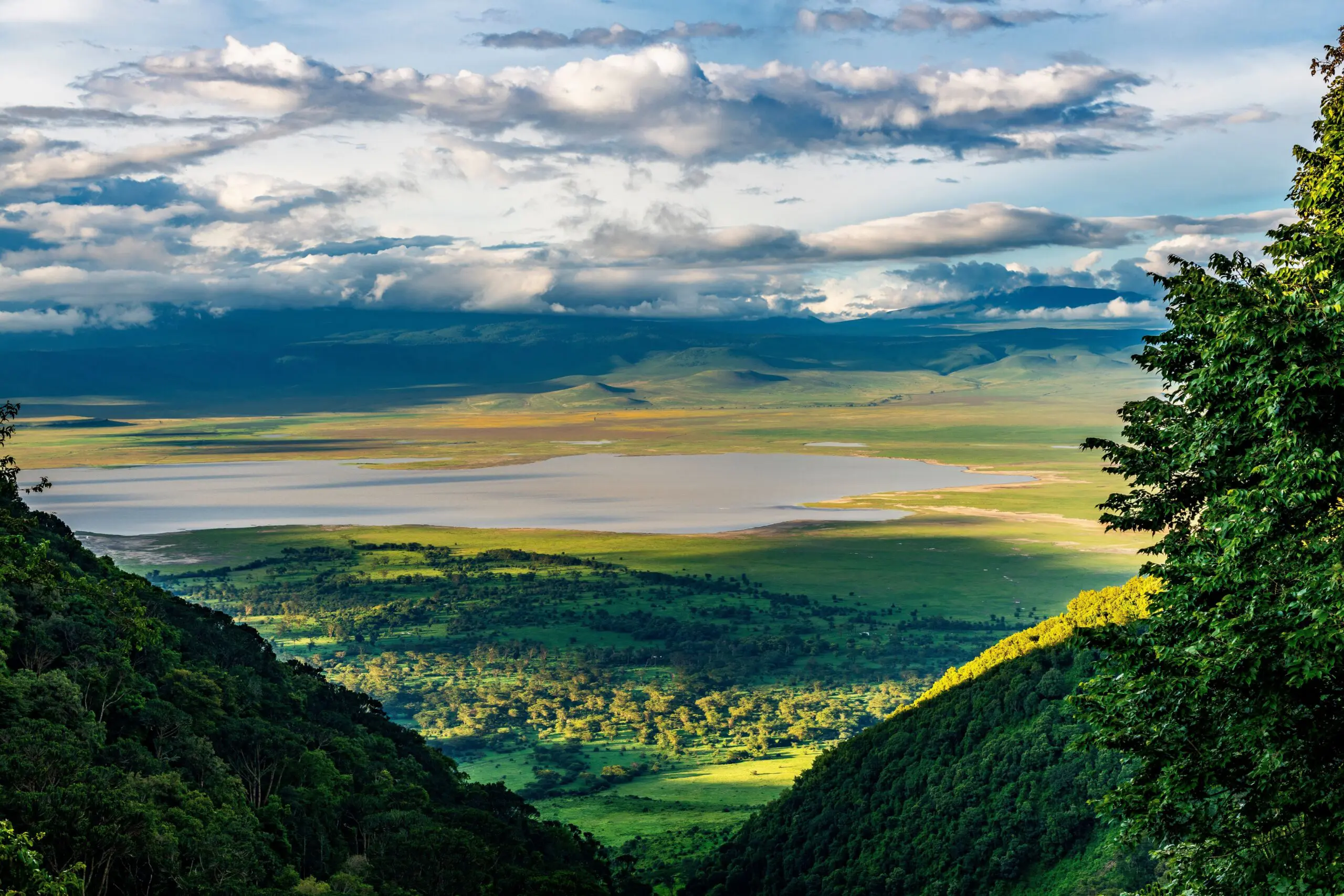
The first episode is out! The new season of Wie is de Mol? starts in the rugged north of Tanzania. Episode 1 takes place in and around Lake Manyara National Park, one of the most versatile national parks in Northern Tanzania. Although the park is relatively compact compared to, for example, the Serengeti, it is known for its exceptional ecological diversity. Within short distances, dense forests, open grasslands, and the vast Lake Manyara alternate.
It is precisely this variation that makes this landscape visually strong and unpredictable. This makes it a logical location for a program where observation, strategy, and timing are central.
What makes Lake Manyara so special?
Lake Manyara is often described as an underrated safari park, but among safari connoisseurs, it is known for its rich biodiversity within a relatively small area.
One of the most special features of the park is the tree-climbing lions. These lions are regularly seen resting on the branches of acacia and mahogany trees. This behavior occurs in only a few places in Africa.
In addition, the park is known for:
- a large population of elephants
- the vast salt lake that seasonally attracts thousands of birds
- dense forest zones where baboons and monkey species live
- open savannas where large grazers such as zebras and wildebeest occur
Due to this combination, the landscape constantly feels different, depending on where you are in the park.


What can you do here yourself?
Visitors to Lake Manyara can undertake various activities:
- a safari through the national park
- canoeing on Lake Manyara (depending on water level)
- bird watching at the lake
- treetop walkway 370 meters long
- visit the village of Mto wa Mbu by mountain bike
It is precisely this combination of nature, wildlife, and local culture that makes Manyara an interesting first introduction to safari in Tanzania.
Why Lake Manyara is a perfect starting location
For the first episode of Wie is de Mol?, Lake Manyara is a logical choice. The landscape feels both enclosed and expansive at the same time. Dense forests can suddenly transition into open plains, and sightlines change continuously.
This creates an environment where players must constantly observe, anticipate, and react to their surroundings.
But regardless of the television program, the most important thing remains: Lake Manyara is a park that shows travelers how versatile safari in Northern Tanzania can be!
Staying near Lake Manyara
Would you like to discover Manyara and the surrounding parks yourself? During our trips, you can also stay in one of our own managed lodges, in the heart of the safari landscape of Northern Tanzania. Discover, for example:
Africa Safari Manyara Escarpment
About Paradise & Wilderness
Paradise & Wilderness specializes in tours and safaris in Tanzania. With local teams, our own guides, and in-depth knowledge of routes and regions, we accompany travelers who want to experience Africa at their own pace. Our focus is on authenticity, reliability, and a meaningful travel experience, not on mass tourism. At Paradise & Wilderness, it is therefore also possible to experience your safari with a private jeep!
Frequently asked questions about Wie is de Mol 2026 in Tanzania
Yes. The entire 2026 season of Wie is de Mol was filmed in Tanzania.
The new season of Wie is de Mol starts Saturday, February 28, 2026, at 8:30 PM and is broadcast by AVROTROS on NPO 1.
Broadly speaking, yes (Northern Tanzania), but specific locations per episode remain secret until the broadcast.
Absolutely. The strength of Tanzania lies not in the TV program, but in the landscape, the people, and the pace of the country. In Tanzania, we at Paradise & Wilderness offer various types of travel:
Bram Krikke, Daan Boom, Delilah Warcup – van Eyck, Eveline Stallaart, Geraldine Kemper, Matteo van der Grijn, Milan van Dongen, Nasrdin Dchar, Nienke van Dijk, and Quinty Misiedjan are the candidates for the 26th season of Wie is de Mol?
The finale of Wie is de Mol? 2026 (the 26th season) has not yet been announced, but the finale of the 2026 season, in which the candidates search for the true Mole in Tanzania, will likely take place in the spring of 2026, possibly May 2nd on Zanzibar, following the regular weekly broadcasts on Saturdays.
As soon as the exact date of the finale of Wie is de Mol? is known, we will of course let you know here.