





What is the difference between a safari in Northern and Southern Tanzania?
Northern Tanzania is known for the Serengeti, Ngorongoro Crater, Tarangire and Lake Manyara. It offers famous national parks, open plains, large herds and the possibility of seeing the complete Big Five.
Southern Tanzania offers a different safari experience around Selous Game Reserve, Nyerere National Park and Mikumi National Park. Here, the landscapes are shaped by rivers, lakes, woodland and vast wilderness. There are generally fewer vehicles, and activities may include boat safaris, walking safaris and night game drives.
Paradise & Wilderness is also developing a safari accommodation near Saadani National Park. Although Saadani is located on Tanzania’s coast rather than within the traditional southern circuit, it offers another accessible safari option for travelers combining the mainland with Zanzibar.
The best choice depends on the animals you hope to see, the landscapes you prefer, the amount of time available and the way you want to travel.
|
Aspect |
Northern Tanzania |
Southern Tanzania and coastal Saadani |
|
Well-known parks |
Serengeti, Ngorongoro Crater, Tarangire and Lake Manyara |
Selous Game Reserve, Nyerere National Park, Mikumi and Saadani |
|
Wildlife |
Large herds, predators, the Big Five and the Great Migration |
Elephants, buffalo, lions, wild dogs, hippos, crocodiles and river wildlife |
|
Big Five |
Northern Tanzania offers the possibility of seeing all five, including the black rhino |
The black rhino is not found on the safari routes in Southern Tanzania, so the complete Big Five cannot be seen here |
|
Landscape |
Open plains, crater landscapes, lakes, savannas and baobab trees |
Rivers, lakes, forests, floodplains, coastal habitats and savannas |
|
Crowds |
Popular locations can attract more vehicles, especially during peak periods |
Generally quieter, with fewer vehicles around sightings |
|
Activities |
Game drives, walking safaris, night game drives and excursions around the parks |
Game drives, boat safaris, walking safaris and night game drives, depending on the program |
|
Accommodation style |
You generally travel between different areas and stay at several accommodations during the safari |
You often stay at one accommodation and explore the surrounding area through different safari activities |
|
Transport |
Usually an overland safari from Arusha, although direct domestic flights into the Serengeti are also possible |
Paradise & Wilderness programs generally use domestic flights from Zanzibar or Dar es Salaam |
|
Typical trip length |
Most travelers choose approximately 8 to 12 days |
Short safari programs of approximately 1 to 4 days are common |
|
Combining with Zanzibar |
Possible as part of a longer tour or through a direct flight from Zanzibar to the Serengeti |
Easy to combine through domestic flights to Nyerere or, once available, a boat connection to Saadani |
|
Feel of the trip |
Varied, active and focused on famous safari highlights |
Spacious, quieter and often based around one safari accommodation |
Which safari parks are located in Northern and Southern Tanzania?
The northern and southern safari regions consist of several protected areas. Northern safari programs usually combine multiple parks. Southern programs offered by Paradise & Wilderness mainly focus on Selous Game Reserve, Nyerere National Park and Mikumi National Park.
Saadani National Park can be considered as an additional coastal safari option. Always check the current accommodation and transport options with your travel specialist.
Which parks can you visit in Northern Tanzania?
The best-known parks in Northern Tanzania are:
Many safari programs begin in or around Arusha. From there, you travel between different parks and accommodations. During the journey, the landscape changes from dry savannas and baobab country to crater landscapes, forests, lakes and the vast plains of the Serengeti.
Which parks can you visit in Southern Tanzania?
The main southern safari areas offered by Paradise & Wilderness are:
These areas are vast and generally receive fewer visitors than the most famous parks in Northern Tanzania. Rivers, lakes, forests and floodplains play a larger role in the safari experience.
Is Saadani National Park part of Southern Tanzania?
Saadani National Park is located on Tanzania’s eastern coast and is not officially part of the traditional southern safari circuit. However, it can offer an interesting alternative for travelers looking for a safari that is easily combined with Zanzibar.
Saadani combines coastal savanna, woodland, the Wami River, mangroves and beaches along the Indian Ocean. Wildlife includes elephants, giraffes, buffalo, waterbucks, zebras, hippos, crocodiles and many birds.
Paradise & Wilderness is developing an accommodation in the Saadani area. A boat connection from Zanzibar is planned, but availability and opening dates should always be confirmed with a travel specialist before booking.
What is the difference between Selous Game Reserve and Nyerere National Park?
Selous Game Reserve and Nyerere National Park are adjoining protected areas within the larger Selous ecosystem.
In 2019, a large part of the former Selous Game Reserve became Nyerere National Park. The name Selous is still widely used for the broader safari region, accommodations and travel programs.
When comparing itineraries, check whether activities and accommodations are located inside Nyerere National Park, within Selous Game Reserve or in the surrounding ecosystem.
Where do you see the most animals?
Both Northern and Southern Tanzania have abundant wildlife. The main difference is how the animals are distributed and how you experience the sightings.
On the open plains of Northern Tanzania, large herds and predators can sometimes be spotted more quickly. In Southern Tanzania, the protected areas are larger and animals can be more spread out. Searching may take longer, but there are often fewer vehicles around when an animal is found.
Which animals can you see in Northern Tanzania?
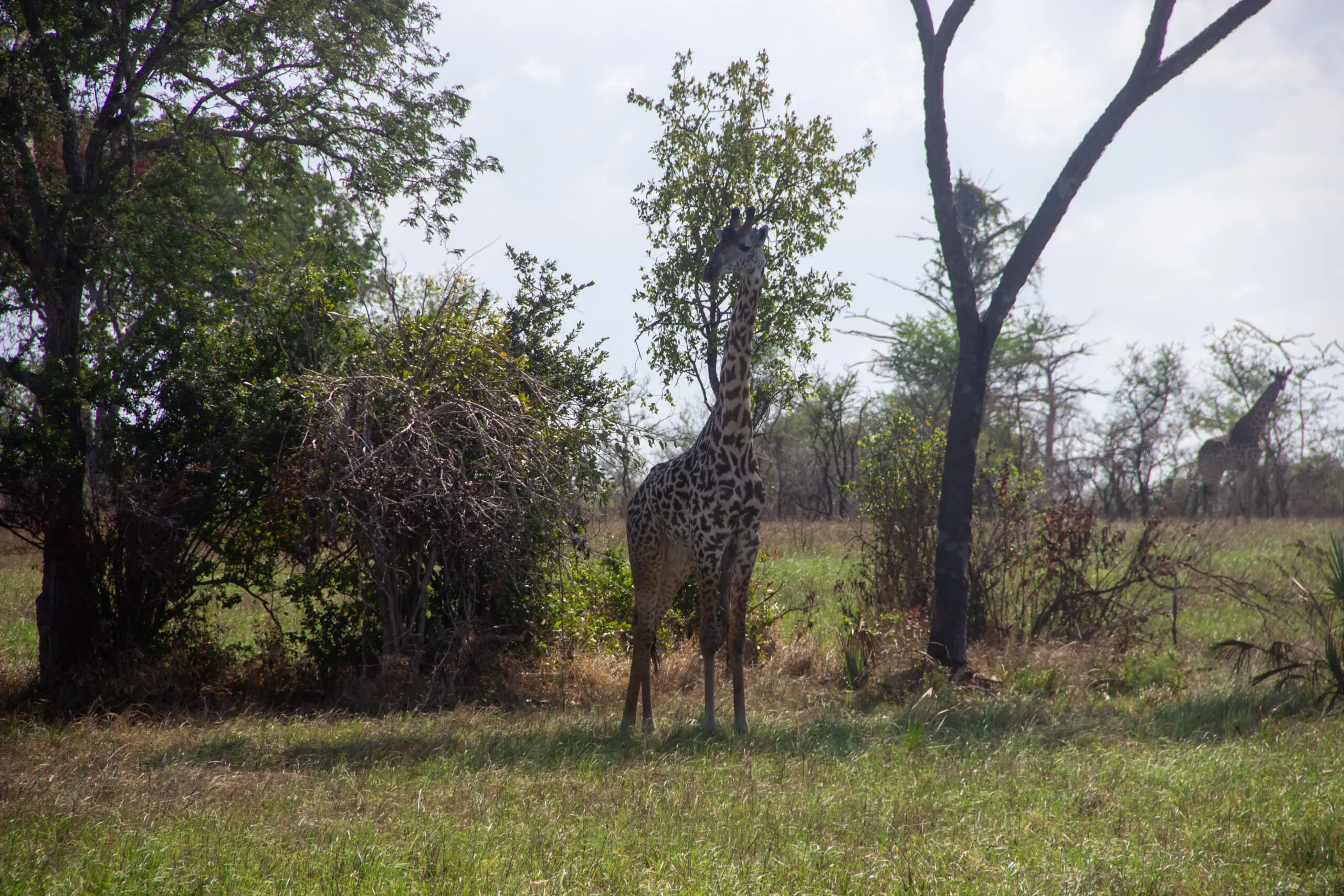
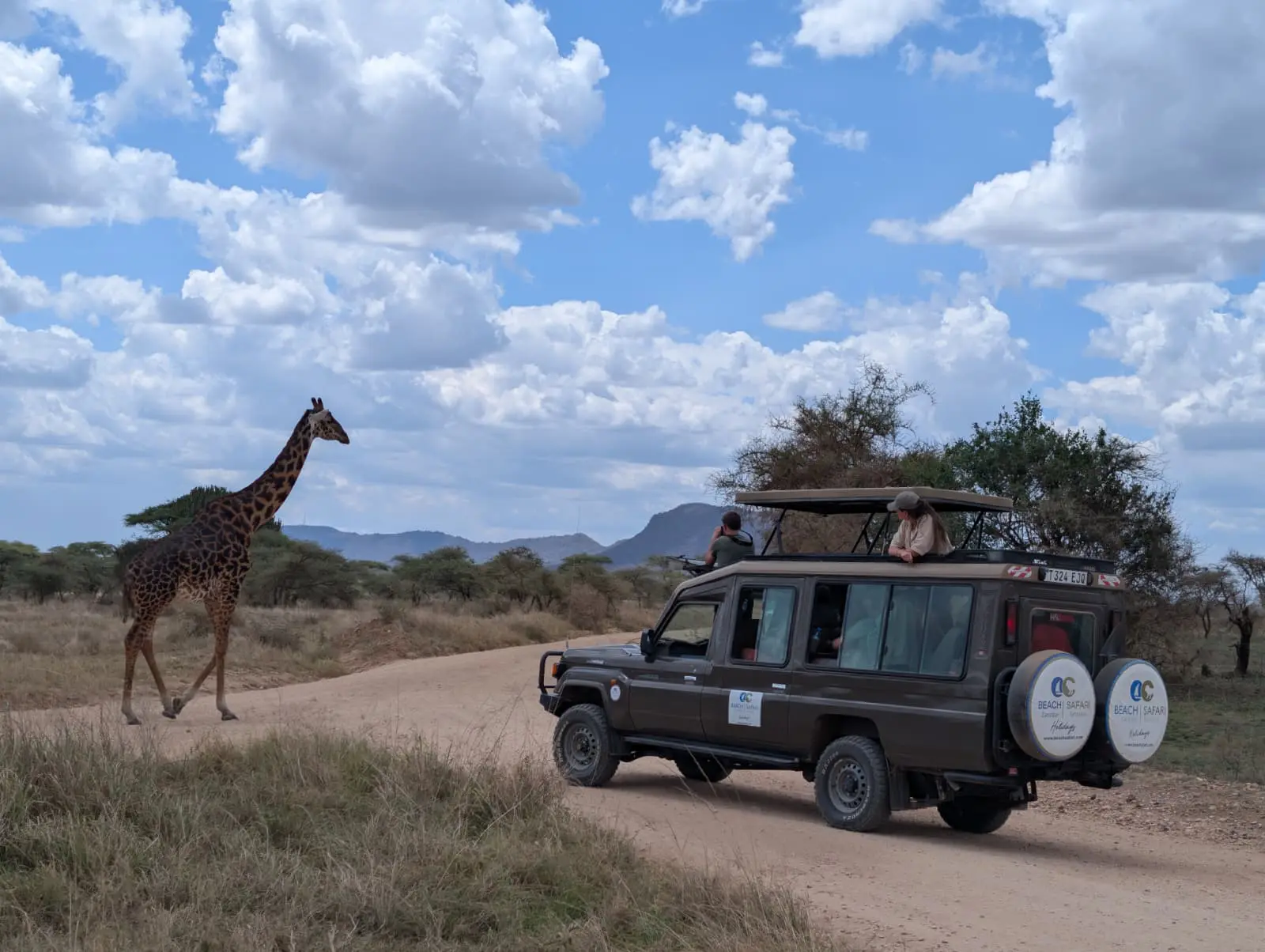
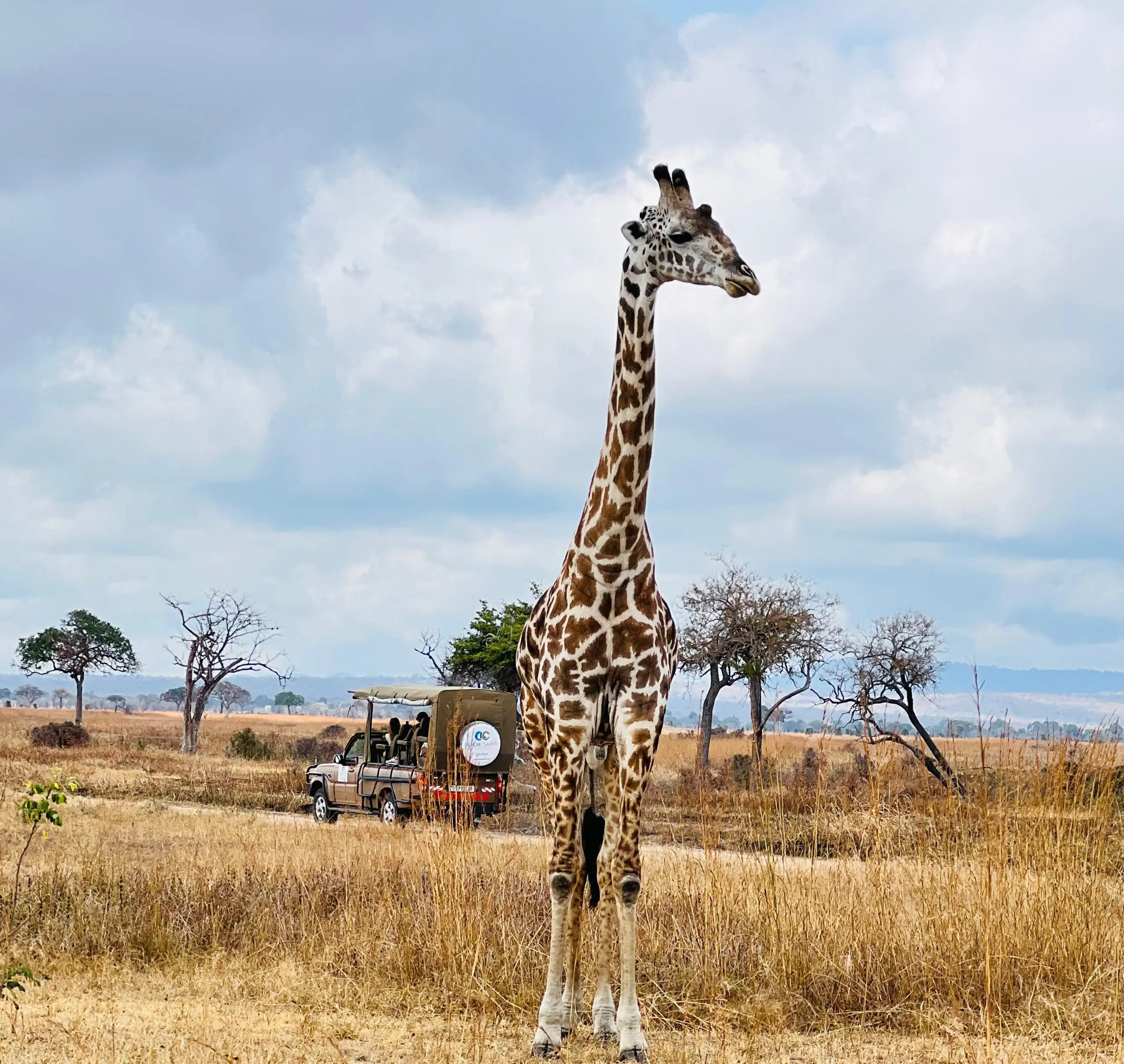
In Northern Tanzania, you may encounter lions, elephants, buffalo, giraffes, zebras, wildebeest, cheetahs, hyenas, leopards and many antelope species.
The region also offers the best chance within the Paradise & Wilderness safari routes of seeing the black rhino. The Ngorongoro Crater is particularly important for travelers hoping to complete the Big Five.
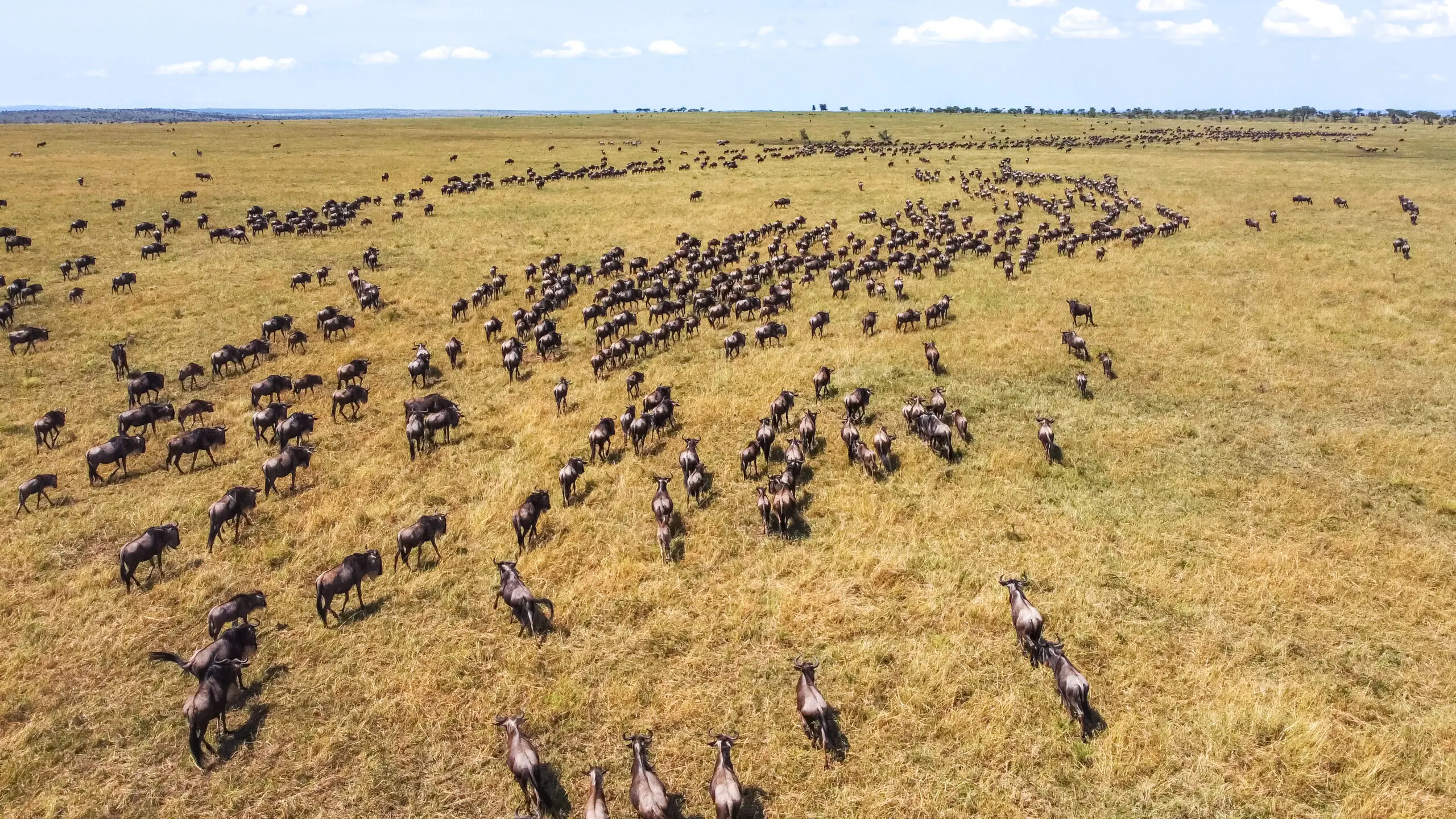
The annual movement of wildebeest and zebras, known as the Great Migration, takes place throughout the wider Serengeti ecosystem. The herds are not in the same location all year, so your itinerary should match your month of travel.
Paradise & Wilderness guides stay in contact with one another and share information about recent wildlife movements. This can improve the chance of finding the migrating herds, but sightings and river crossings can never be guaranteed.
Which animals can you see in Southern Tanzania?
Southern Tanzania is home to elephants, buffalo, lions, giraffes, zebras, hippos, crocodiles and hundreds of bird species.
The African wild dog is one of the region’s most distinctive predators. Packs occur within the wider Selous and Nyerere ecosystem, although their large territories make sightings unpredictable.
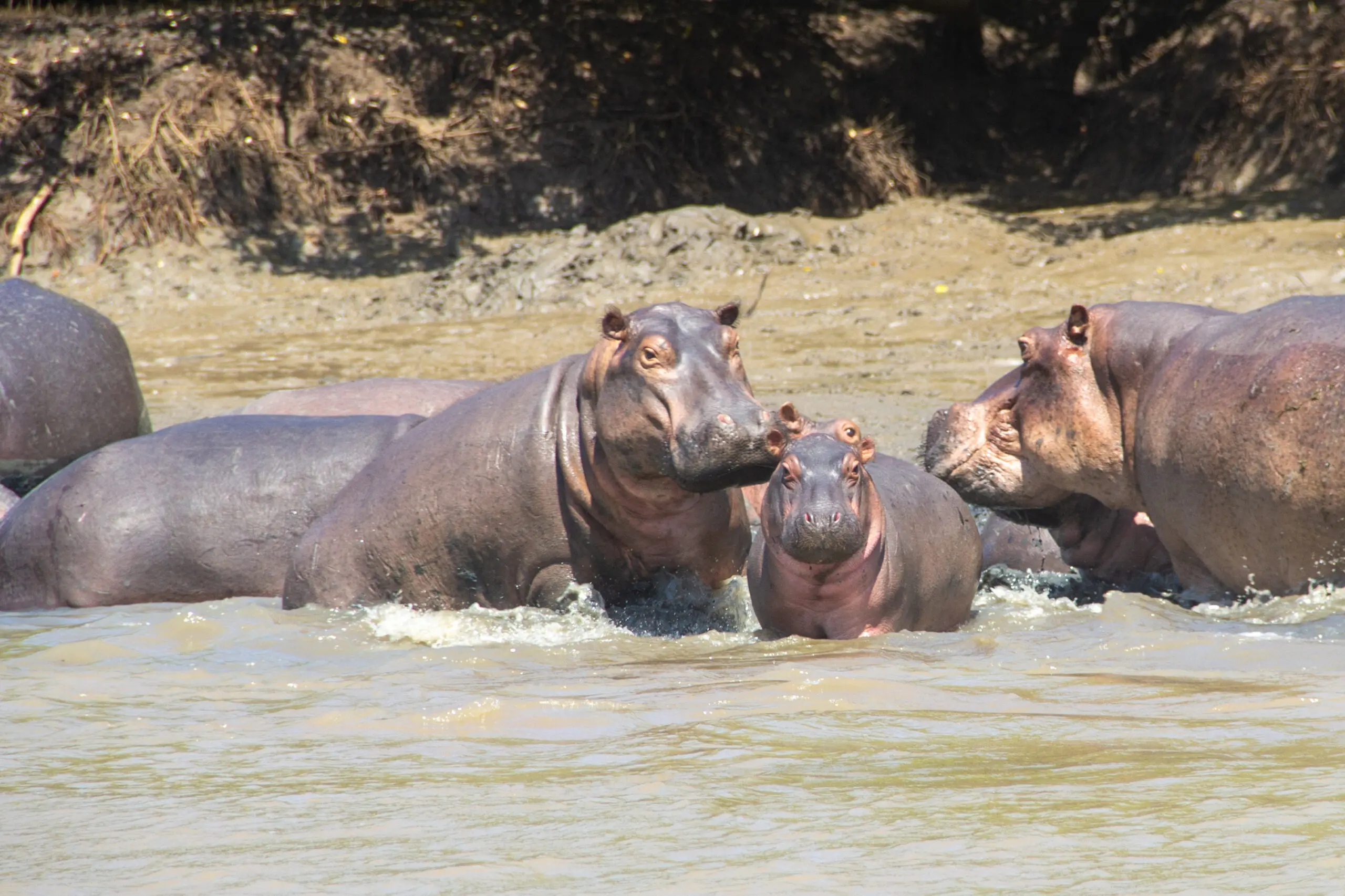
Around the Rufiji River, wildlife observation is not limited to the open savanna. From a boat, you may see hippos, crocodiles, waterbirds and animals visiting the riverbanks.
Can you see the Big Five in both regions?
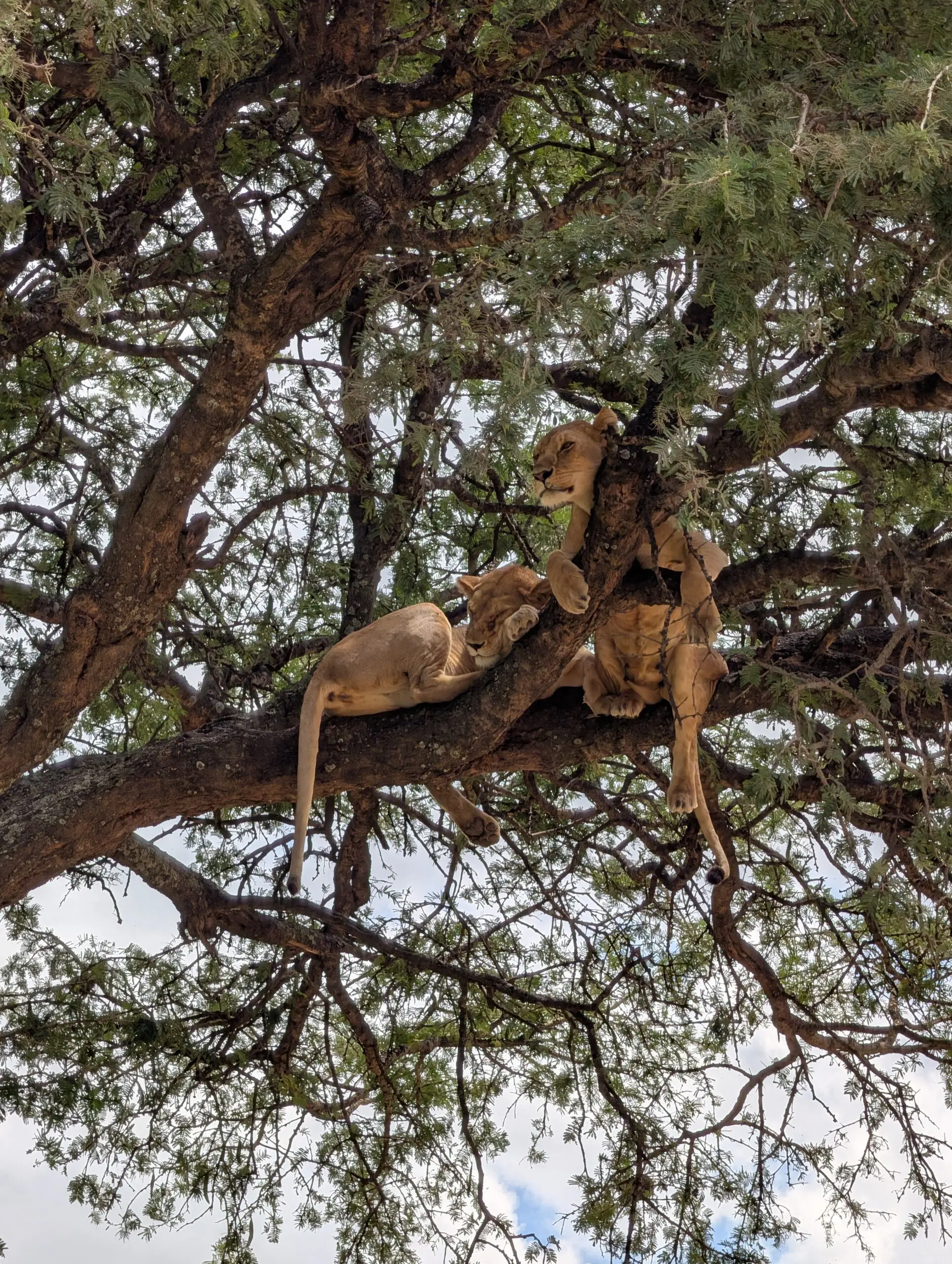
You can see lions, elephants, buffalo and leopards in both Northern and Southern Tanzania. However, the black rhino is not found within the southern safari programs offered by Paradise & Wilderness.
This means that Northern Tanzania offers a chance of completing the Big Five, while Southern Tanzania does not.
Even in Northern Tanzania, seeing all five animals is never guaranteed. Leopards live solitary and secretive lives, while black rhinos remain rare and are often observed from a distance.
Which region suits a particular wildlife wish?
Travelers hoping to see large migrating herds will usually choose the Serengeti and its surrounding areas. Those hoping to encounter African wild dogs should consider Selous Game Reserve and Nyerere National Park.
For hippos, crocodiles and waterbirds, the Rufiji River provides a different perspective through boat safaris. Elephants, buffalo, giraffes and lions occur in both regions, so the decision does not have to be based entirely on a list of species.
How do the landscapes differ?
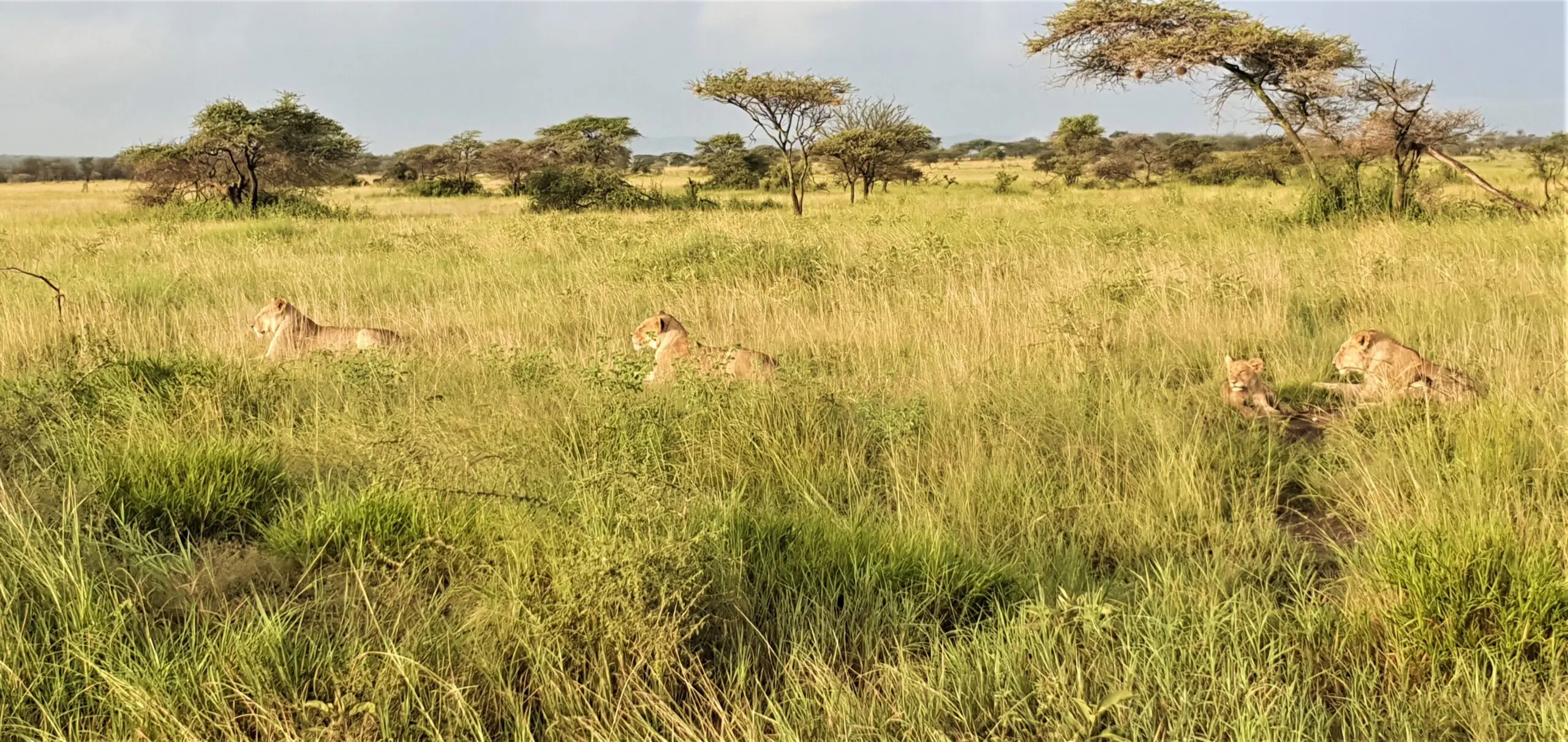
Northern Tanzania offers open plains, volcanic landscapes, lakes and dry savannas with baobab trees. Southern Tanzania is shaped more strongly by rivers, forests, lakes and vast wilderness areas.
The landscape influences which animals live in an area and how guides search for them.
What does Northern Tanzania look like?
The Serengeti consists of open plains, grasslands, river areas and rocky kopjes. The Ngorongoro Crater contains several habitats within one volcanic caldera.
Tarangire adds dry savannas, the Tarangire River and large baobab trees. Lake Manyara lies along the Rift Valley escarpment and combines groundwater forest, open terrain, marshes and lake environments.
Because the parks differ considerably, the landscape often changes every few days during a northern safari.
What does Southern Tanzania look like?
In Nyerere National Park and Selous Game Reserve, the Rufiji River, lakes, woodland and open grasslands define the scenery. Mikumi is known for broad plains with mountains visible in the distance.
Water plays a visible role in the southern landscape. Animals gather around riverbanks and waterholes, while birds, hippos and crocodiles form an important part of the experience.
Is Southern Tanzania quieter than Northern Tanzania?
Southern Tanzania is generally quieter than the best-known parks in Northern Tanzania. The Serengeti and Ngorongoro Crater attract travelers from all over the world.
During popular travel periods, several vehicles may gather around lions, leopards or other special sightings. Nyerere and Mikumi generally receive fewer visitors, making it more likely that you can observe an animal without many other vehicles nearby.
Crowd levels still differ by season, park and location.
Do fewer visitors mean you see more animals?
Fewer visitors do not automatically mean more wildlife sightings. In a large protected area, animals can live farther apart, and guides may need to cover more ground to find them.
The main advantage is the feeling of space, the smaller number of vehicles and the possibility of spending more time at a sighting.
Is all of Northern Tanzania busy?
Not every area in Northern Tanzania is busy. Visitor numbers differ by park, route, accommodation and travel period.
Famous viewpoints and predators close to main roads attract other vehicles more quickly. More remote parts of the parks can still feel quiet and spacious.
Which safari activities are possible?
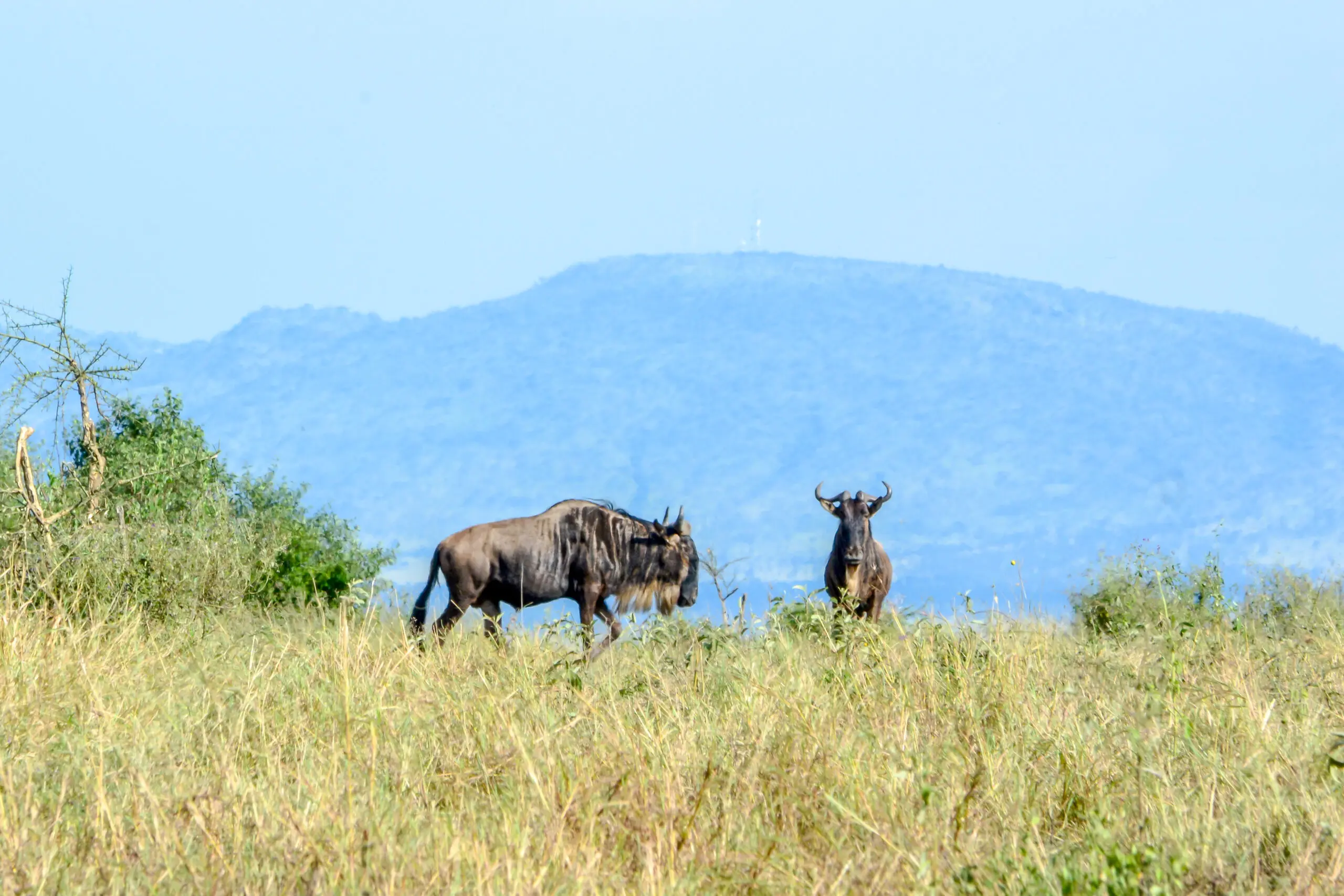
Game drives form the basis of a safari in both regions. Additional activities depend on the park, accommodation, permits and itinerary.
How do the game drives differ?
In Northern Tanzania, you generally travel through several parks and stay at different accommodations along the way. Game drives alternate with transfers between the parks and lodges.
In Southern Tanzania, you often stay at one safari accommodation. From this base, you take part in different game drives and activities within the surrounding nature area.
This creates a different rhythm. The north feels more like an overland journey, while the south can feel more like an extended stay within one wilderness area.
Where can you take a boat safari?
A boat safari is possible on the Rufiji River in the area around Nyerere National Park and Selous Game Reserve.
From the water, you can observe hippos, crocodiles, birds and animals visiting the riverbanks. The activity must be included in the chosen program.
Water levels, weather conditions and local regulations can affect whether the activity can go ahead.
Where can you take a walking safari?
Walking safaris are only possible in areas where they are permitted and must always be guided by a licensed professional.
Possible areas within Paradise & Wilderness programs include:
- Arusha National Park
- Pololeti Game Reserve
- Ikona Wildlife Management Area
- Selous Game Reserve
A walking safari is usually not focused on seeing large numbers of animals. Instead, the guide draws attention to tracks, plants, insects, birds and smaller details within the ecosystem.
Availability depends on the itinerary and should be discussed with your travel specialist in advance.
Where can you take a night game drive?
Night game drives are not permitted in every national park. They are only available in areas with the correct permits and supervision.
Possible locations include Pololeti Game Reserve, Ikona Wildlife Management Area and Selous Game Reserve.
A night game drive should be booked in advance. Your travel specialist can advise which option fits best within your itinerary and accommodation schedule.
How do transport and travel times differ?
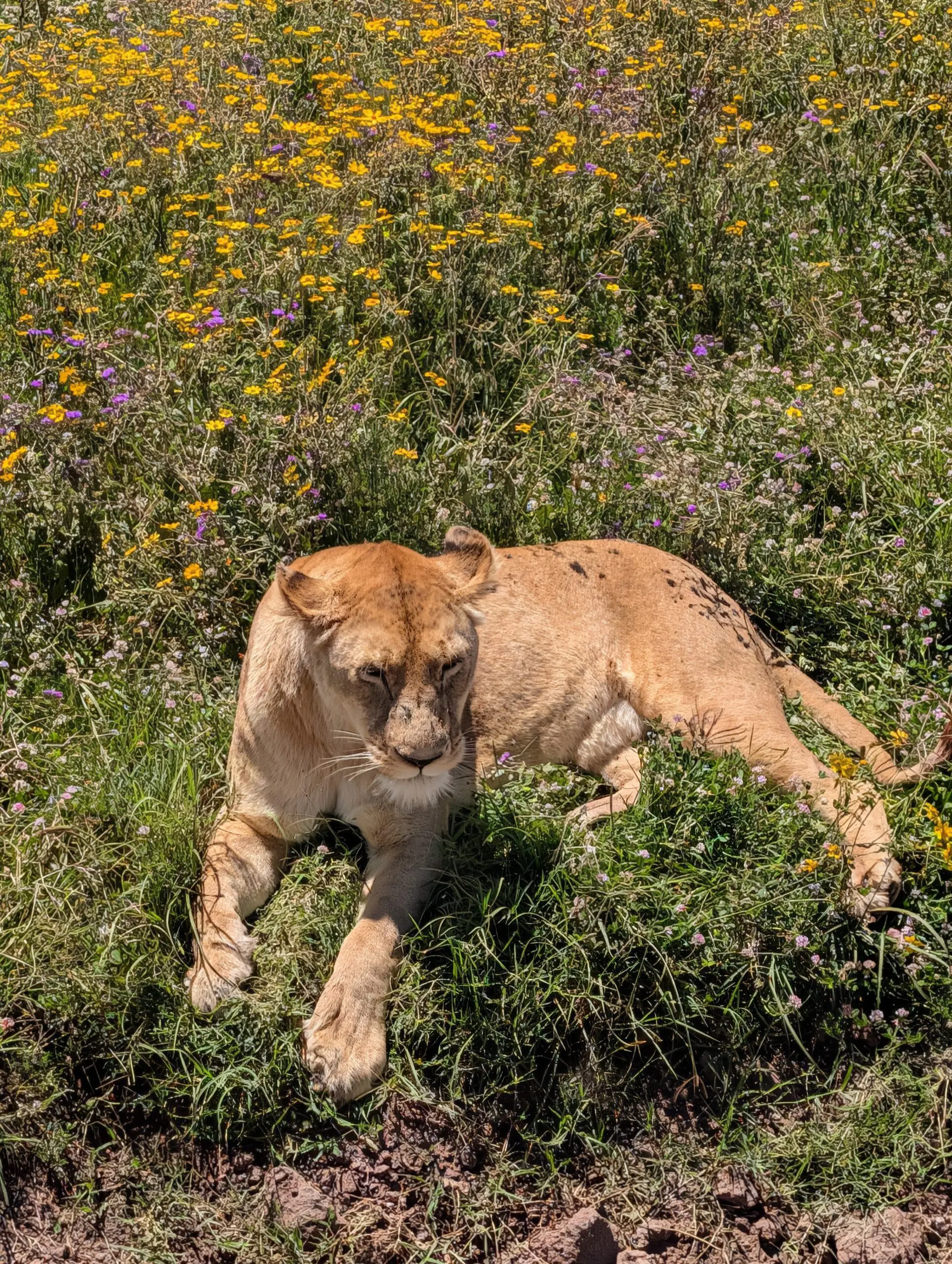
Northern Tanzania is usually explored through an overland safari. Southern Tanzania programs are generally connected by domestic flight.
This affects not only the time spent traveling, but also the rhythm of the safari and how much of the country you see along the way.
How do you travel through Northern Tanzania?
Many northern safari programs begin in or around Arusha. From there, you travel by private safari vehicle to parks such as Tarangire, Lake Manyara, Ngorongoro and the Serengeti.
Drives between the parks allow you to see villages, landscapes and changing ecosystems. Some travel days can be long, so a well-structured itinerary should spread out the distances and leave enough time for game drives.
You can check estimated journey times on the distances in Tanzania and Zanzibar page.
Can you fly directly from Zanzibar to the Serengeti?
It is possible to fly directly from Zanzibar to Seronera Airstrip in the central Serengeti. You land inside the national park and can begin the safari shortly after arrival.
This can be a suitable option for travelers who want to experience the Serengeti without completing a full overland tour from Arusha.
Flights operate according to fixed schedules and availability. Your travel specialist can advise whether this connection suits your travel dates.
How do you travel to Southern Tanzania?
Within Paradise & Wilderness programs, the southern safari areas are generally reached by domestic flight.
A short flight can connect Zanzibar or Dar es Salaam with the area around Nyerere National Park and Selous Game Reserve. Transfers between the airstrip and accommodation remain part of the program.
The best program depends on the number of days available and the wildlife and activities you wish to experience.
How will Saadani be connected with Zanzibar?
Once the planned Paradise & Wilderness accommodation near Saadani becomes available, a boat transfer from Zanzibar is expected to form part of the travel options.
Because this development is still in progress, travelers should confirm the current opening date, sailing schedule and available programs with a travel specialist.
Which region combines most easily with Zanzibar?
Both Northern and Southern Tanzania can be combined with Zanzibar. You can begin or finish your journey on the island.
Southern Tanzania is particularly suitable for a short safari during a Zanzibar holiday. Northern Tanzania generally suits a longer safari journey, although a direct flight into the Serengeti also makes shorter combinations possible.
When does Southern Tanzania combine well with Zanzibar?
Southern Tanzania is suitable when you want to add approximately one to four safari days to a stay on Zanzibar.
A domestic flight can connect Zanzibar with Nyerere National Park and Selous Game Reserve. This avoids a long overland journey and allows you to reach the safari area within a relatively short travel day.
Saadani can also become an accessible option once the planned accommodation and boat connection are operational.
View an example trip combining Zanzibar and Selous Game Reserve
When does Northern Tanzania combine well with Zanzibar?
Northern Tanzania suits travelers who want to visit several national parks and spend a larger part of the journey on safari.
Most travelers choose approximately eight to twelve days for a northern itinerary. This gives enough time to combine different parks without moving to a new location too quickly.
A direct flight from Zanzibar to Seronera also makes it possible to create a shorter Serengeti safari without first traveling through every northern park.
View an example trip combining Northern Tanzania and Zanzibar
Can you combine Northern and Southern Tanzania?
Northern and Southern Tanzania can be included in one journey, but the distances between the regions are considerable.
When travelers specifically want to visit both regions, Paradise & Wilderness generally recommends including Zanzibar between the two safari sections. This creates suitable connections through domestic flights and avoids unnecessary overland transfers.
Enough travel days are still necessary. With a shorter itinerary, choosing one region generally creates a calmer program with more time for wildlife activities.
What is a good time to travel?
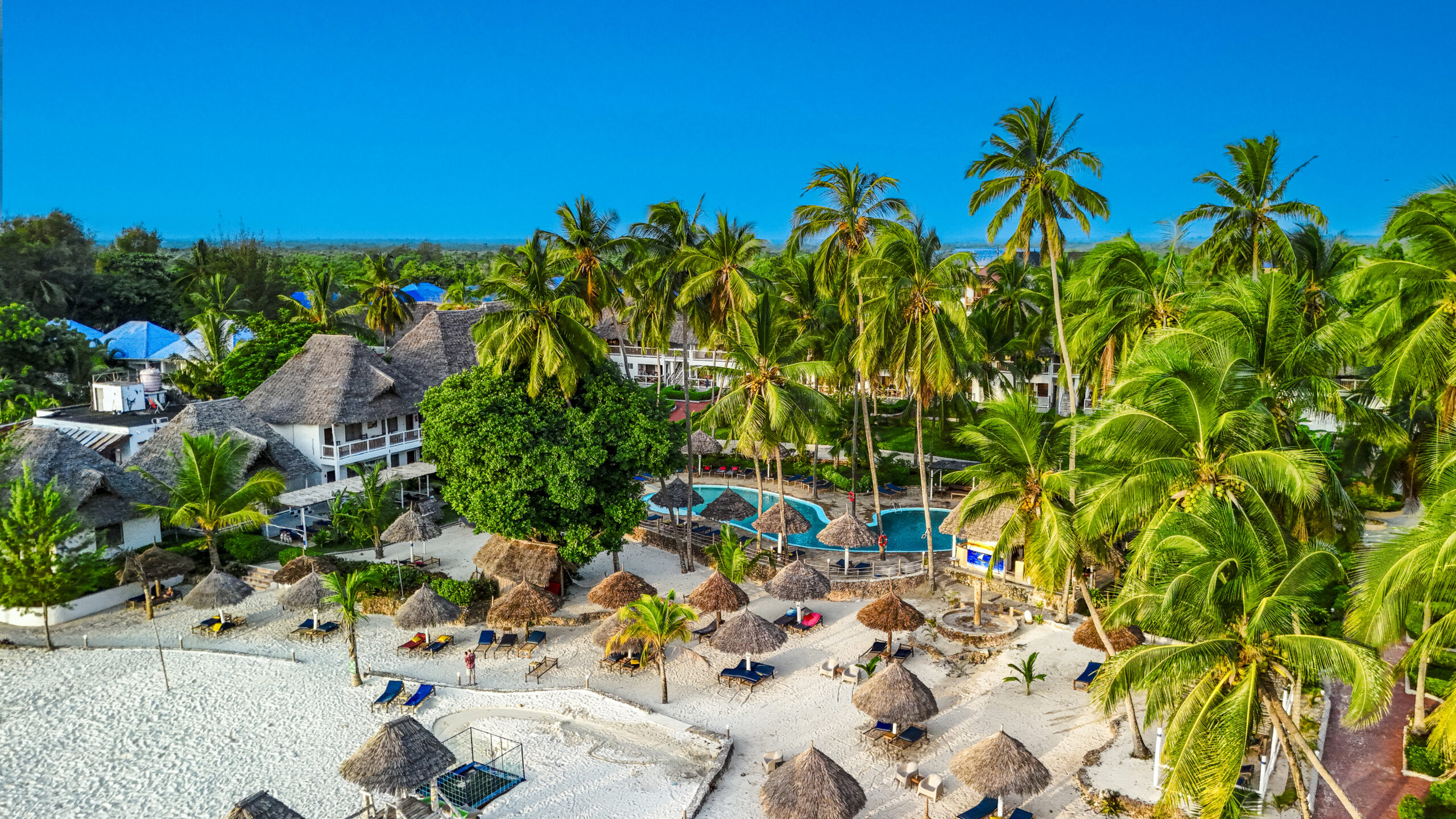
The right travel period depends on the animals, landscapes and activities that matter to you. Northern and Southern Tanzania both change throughout the year.
What can you expect during drier periods?
During drier periods, animals regularly gather around permanent water sources. Lower vegetation can improve visibility in some areas.
The best-known parks in Northern Tanzania can attract more visitors during these months. In Southern Tanzania, the Rufiji River and permanent waterholes become increasingly important for wildlife.
Road and landscape conditions can differ from year to year.
What can you expect during greener periods?
Greener periods bring lush landscapes, young animals and increased bird activity. Taller vegetation may make some animals harder to see.
Rain does not fall in every region at the same time and usually does not continue throughout the entire day. Your itinerary should therefore be matched to the region and month of travel.
When does the Great Migration influence your choice?
The Great Migration is only relevant to an itinerary through the Serengeti ecosystem in Northern Tanzania.
The herds follow rainfall and fresh grass, meaning their location changes during the year. Paradise & Wilderness guides communicate with one another about recent movements and sightings.
This local cooperation can help guides find the herds, but a particular sighting, location or river crossing can never be guaranteed.
Choose Northern Tanzania if you want to combine famous parks
Northern Tanzania may suit you when:
- You want to visit several well-known national parks.
- You want to see large herds and open plains.
- You hope to see the black rhino and potentially complete the Big Five.
- You want to follow the Great Migration.
- You enjoy an overland journey with changing landscapes.
- You prefer to stay at different safari accommodations during the trip.
- You have approximately eight to twelve days available.
Choose Southern Tanzania if space and river landscapes matter to you
Southern Tanzania may suit you when:
- You are looking for a quieter safari experience.
- You want to stay at one safari accommodation and explore from there.
- You would like to take a boat safari.
- You hope to see hippos and crocodiles from the water.
- You would like the chance to encounter African wild dogs.
- You want to combine a short safari of approximately one to four days with Zanzibar.
- You value space more than seeing famous park names.
Consider Saadani if you want a coastal safari
Saadani may suit you when:
- You want to combine coastal landscapes and wildlife.
- You are staying on Zanzibar and prefer a nearby mainland option.
- You would like to experience savanna, river and ocean habitats.
- You are interested in a shorter safari program.
Because the Paradise & Wilderness accommodation and boat connection are still being developed, availability must be checked before including Saadani in your plans.
How have travelers experienced both safari regions?
A traveler’s experience in Northern Tanzania
“We saw so many animals, and Leonard made every effort to show us as much as possible.”
Marin T – Tripadvisor review after a Northern Tanzania safari, January 2026. Translated and shortened from Dutch.
View the original review on Tripadvisor
A traveler’s experience in Southern Tanzania
“We saw breathtaking animals up close, and Tarimo did everything he could to help us find them.”
Sanne S – Tripadvisor review after a safari in Selous Game Reserve, September 2024. Translated and shortened from Dutch.
View the original review on Tripadvisor
Read more experiences from our travelersWhich side of Tanzania suits your trip?
Share your wishes with our Tanzania specialists. We consider wildlife, landscapes, travel time, activities, accommodation preferences and your plans for Zanzibar.
This allows us to create an itinerary that feels enjoyable, varied and realistic.
Request personal travel advice
Frequently asked questions about Northern and Southern Tanzania
Most travelers choose approximately eight to twelve days for a safari in Northern Tanzania. The exact number depends on how many parks you want to visit and whether you travel overland or fly directly into the Serengeti.
A shorter program is possible, but combining Arusha, Tarangire, Ngorongoro and the Serengeti requires enough time for transfers and game drives.
A safari in Southern Tanzania can often be arranged in approximately one to four days when traveling by domestic flight.
The right duration depends on whether you visit Nyerere, Mikumi or Saadani and which activities you want to include. Look at the number of game drives, boat safaris and other activities rather than only the number of nights.
A safari in Southern Tanzania is not automatically cheaper. The final price depends on the trip length, domestic flights, transfers, park fees, accommodation and selected activities.
A southern safari may include fewer nights, but domestic flights can make up a significant part of the total price.
Southern Tanzania can be suitable for a first safari when you value peace, space, river landscapes and varied activities.
The region is not reserved for experienced safari travelers. Your choice should primarily match your expectations, available time and preferred travel style.
You can see lions, leopards, elephants and buffalo in Southern Tanzania. However, the black rhino is not found within the southern safari programs offered by Paradise & Wilderness.
You therefore cannot complete the Big Five during a safari in Southern Tanzania.
You can visit Northern and Southern Tanzania during one journey, but domestic flights and enough travel days are required.
Paradise & Wilderness generally recommends including Zanzibar between both safari regions. This allows the different parts of the journey to be connected through domestic flights.
You can fly from Zanzibar directly to Seronera Airstrip in the central Serengeti. This allows you to begin your game drive inside the national park shortly after arrival.
This is particularly useful for travelers who want a shorter Northern Tanzania safari without starting with a complete overland journey from Arusha.
Paradise & Wilderness is developing an accommodation near Saadani National Park. A boat connection from Zanzibar is also planned.
Because the project is still in development, always ask a travel specialist about the current opening date and available travel programs.